
SCARY STORIES
The Day-Book
A contract fencer takes a cash job in a single-road dale where unused wire must sleep outside the valley each dusk. His kit goes missing one piece a night, newest first — and the shop day-book explains the arithmetic.

True or not, some stories never let go.
Step into the unknown.
DIFFERENT PLACES.
THE SAME FEAR.
A contract fencer takes a cash job in a single-road dale where unused wire must sleep outside the valley each dusk. His kit goes missing one piece a night, newest first — and the shop day-book explains the arithmetic.

The governance review retires an almshouse’s quarterly calling of the roll. The welfare calls still log as answered — in dwellings that hold nobody.
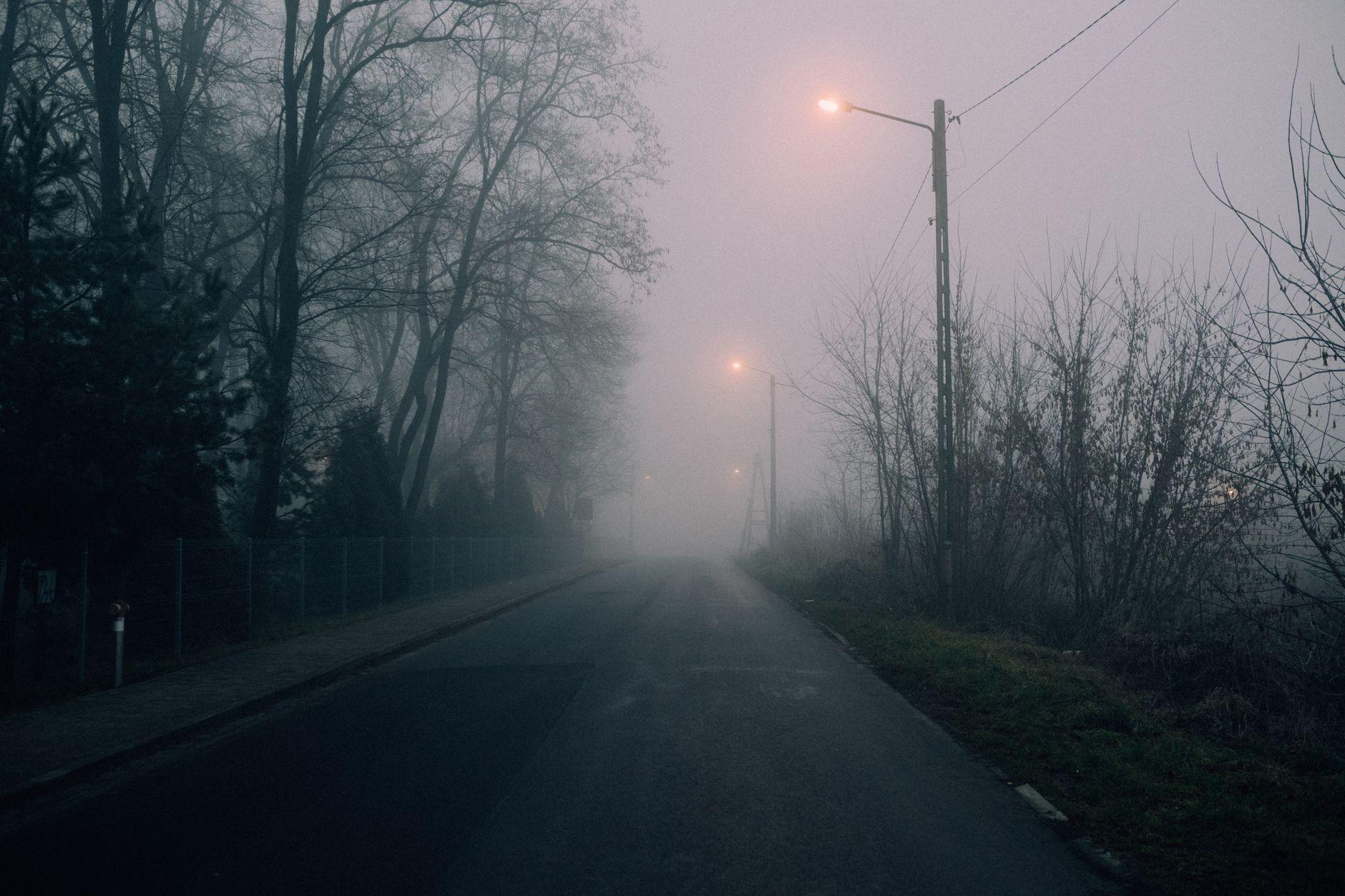
On the old road over Brant Fell, the coaching stages still keep their wall-lines. Stop inside one after dusk and your vehicle is stabled till first light — the driver can always walk out, the vehicle cannot. An owner-driver learns the rule in the December he needed every hour the night could give.

Fifteen years after the quakes, the insurers finally levelled our bungalow – and for a week we walked like sailors ashore. Then the new floor began to learn us back.
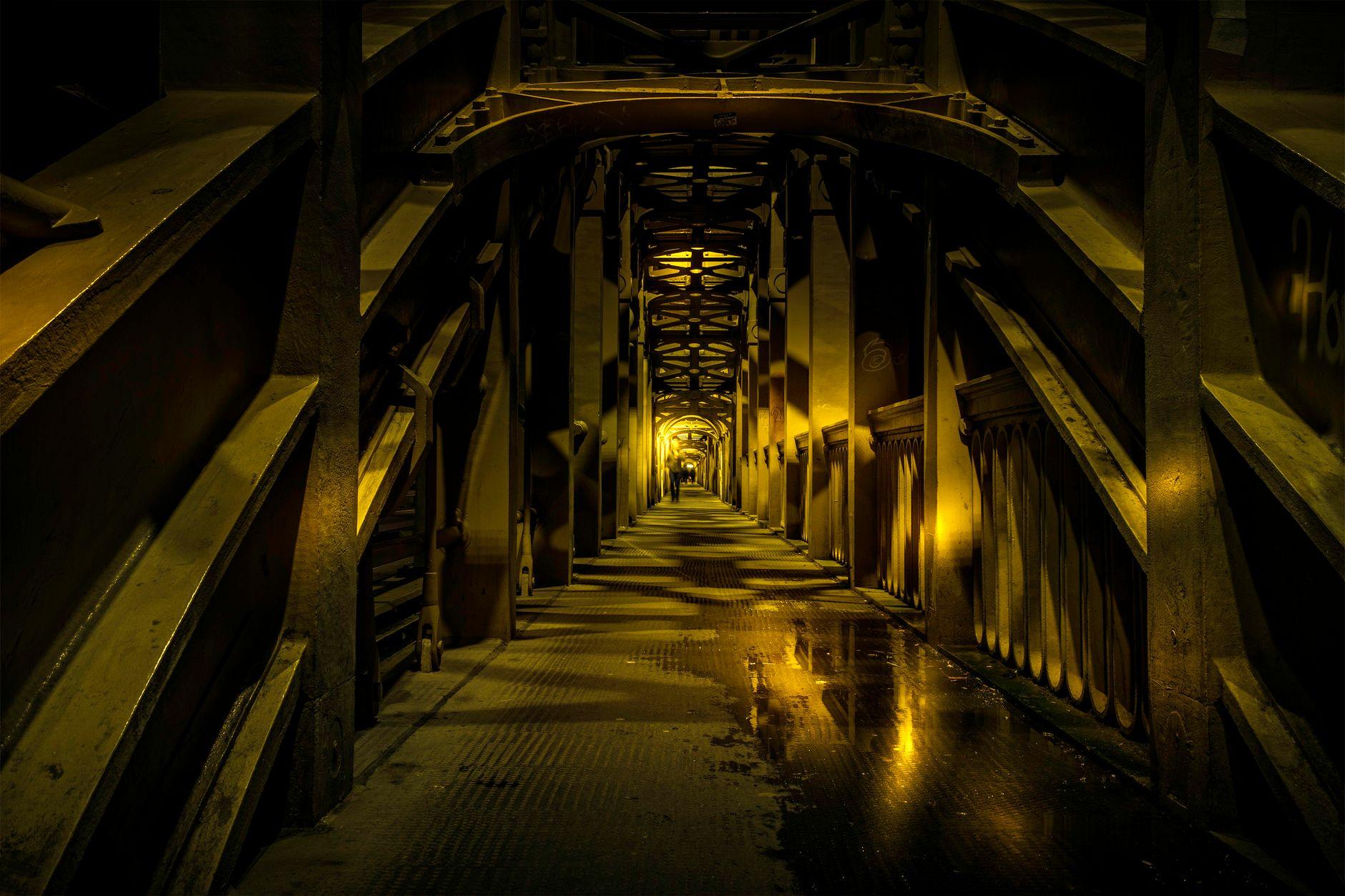
The line appeared on his hand on Tuesday. The job it belongs to is scheduled for Friday, 03:12. At Crescent Chrome the mark comes in before the accident, and the mark is the dose.

A retired river gauger buys three wet acres at the edge of Tarluck and asks who floods them every night. Everyone in the village has a reason not to say.

The procurement review called the bellman’s post ceremonial and deleted it. The nine o’clock complaints began the next night.
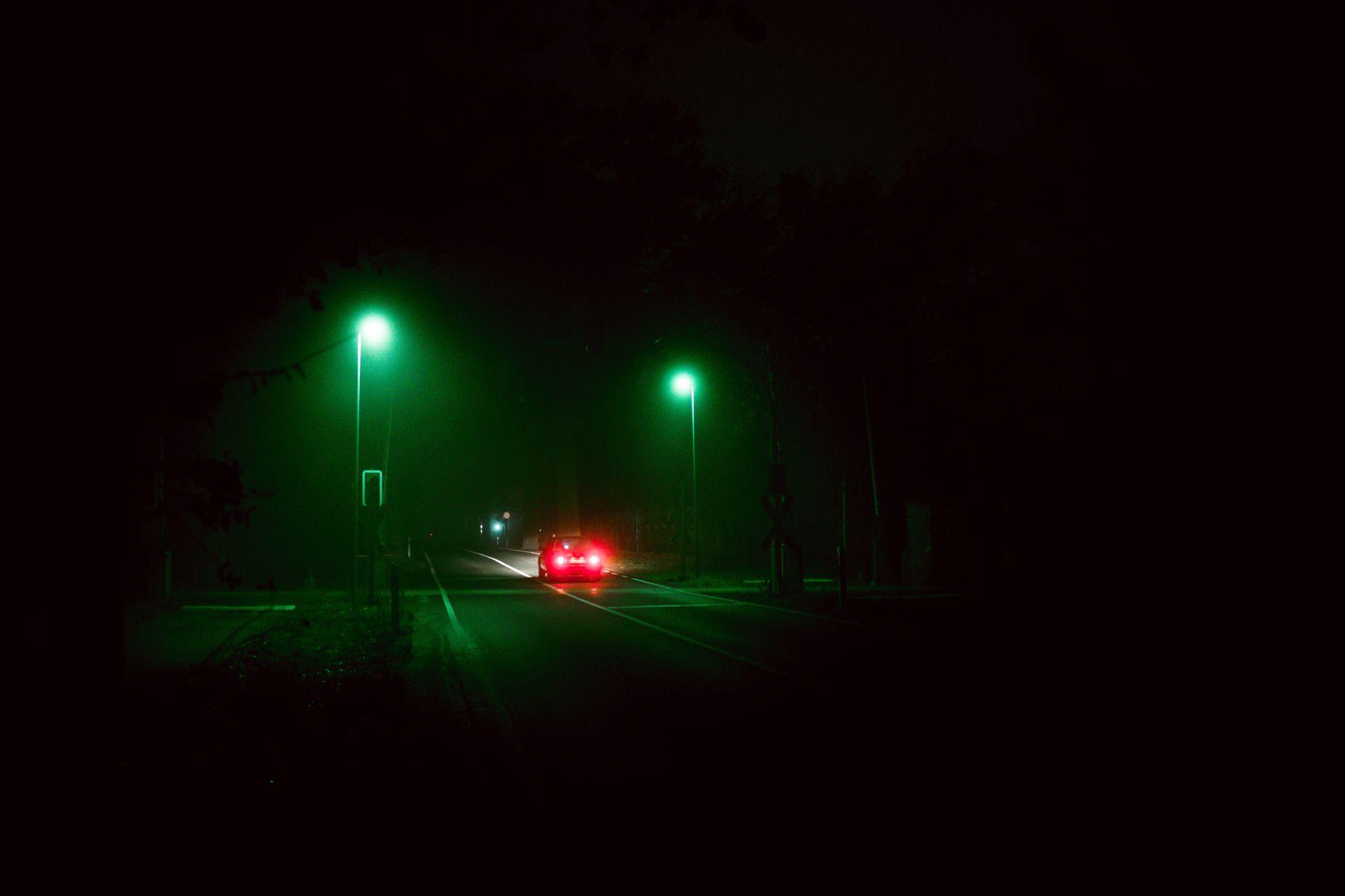
The county’s new traffic controller cleared all fourteen lights on the relief road for one car — mine. The council’s own records say no such priority exists.
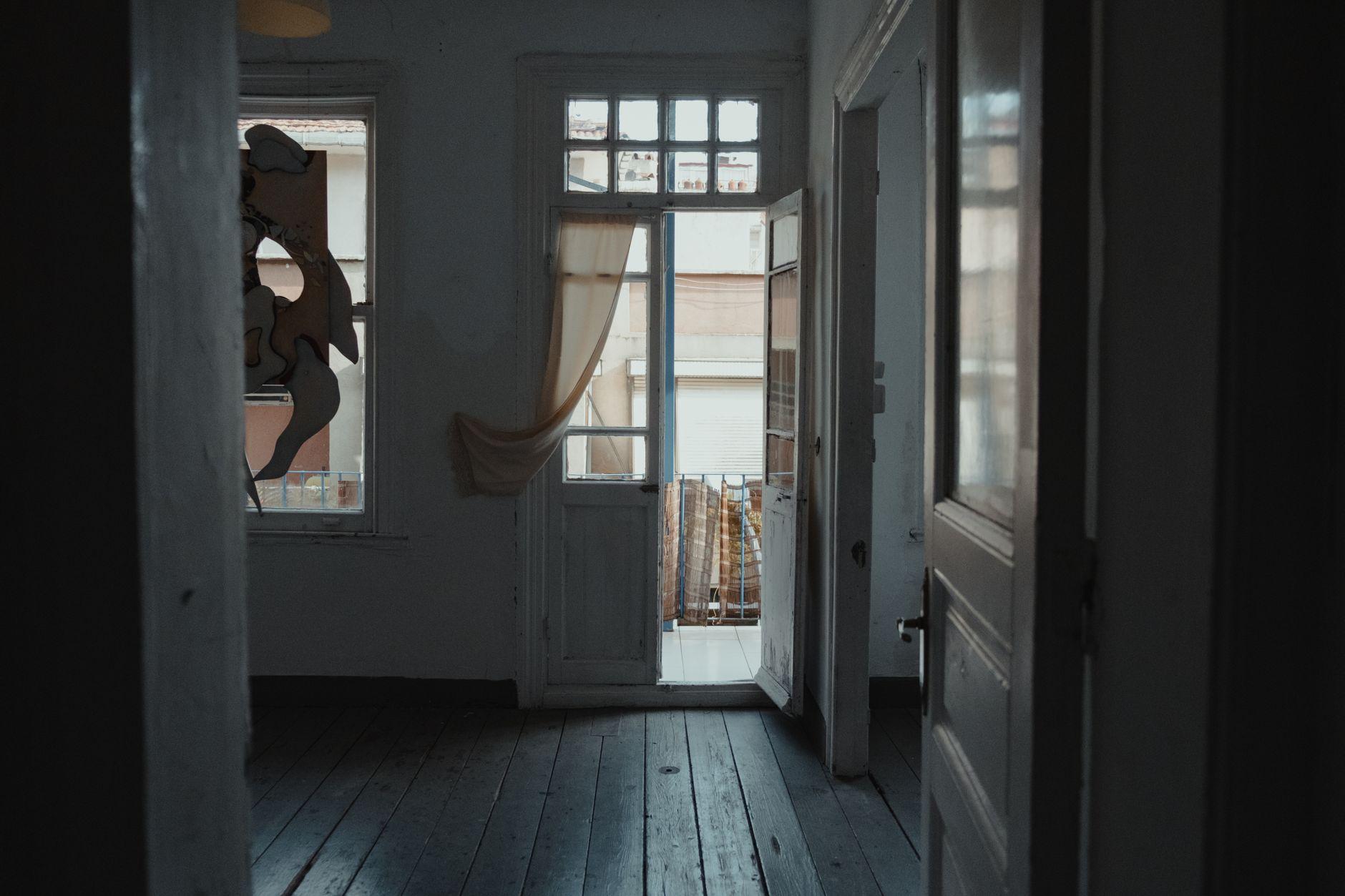
Our kitchen lino was worn through in one place only. I fit kitchens for a living, and I still moved my wife’s standing spot to a new window — and the water moved with it.
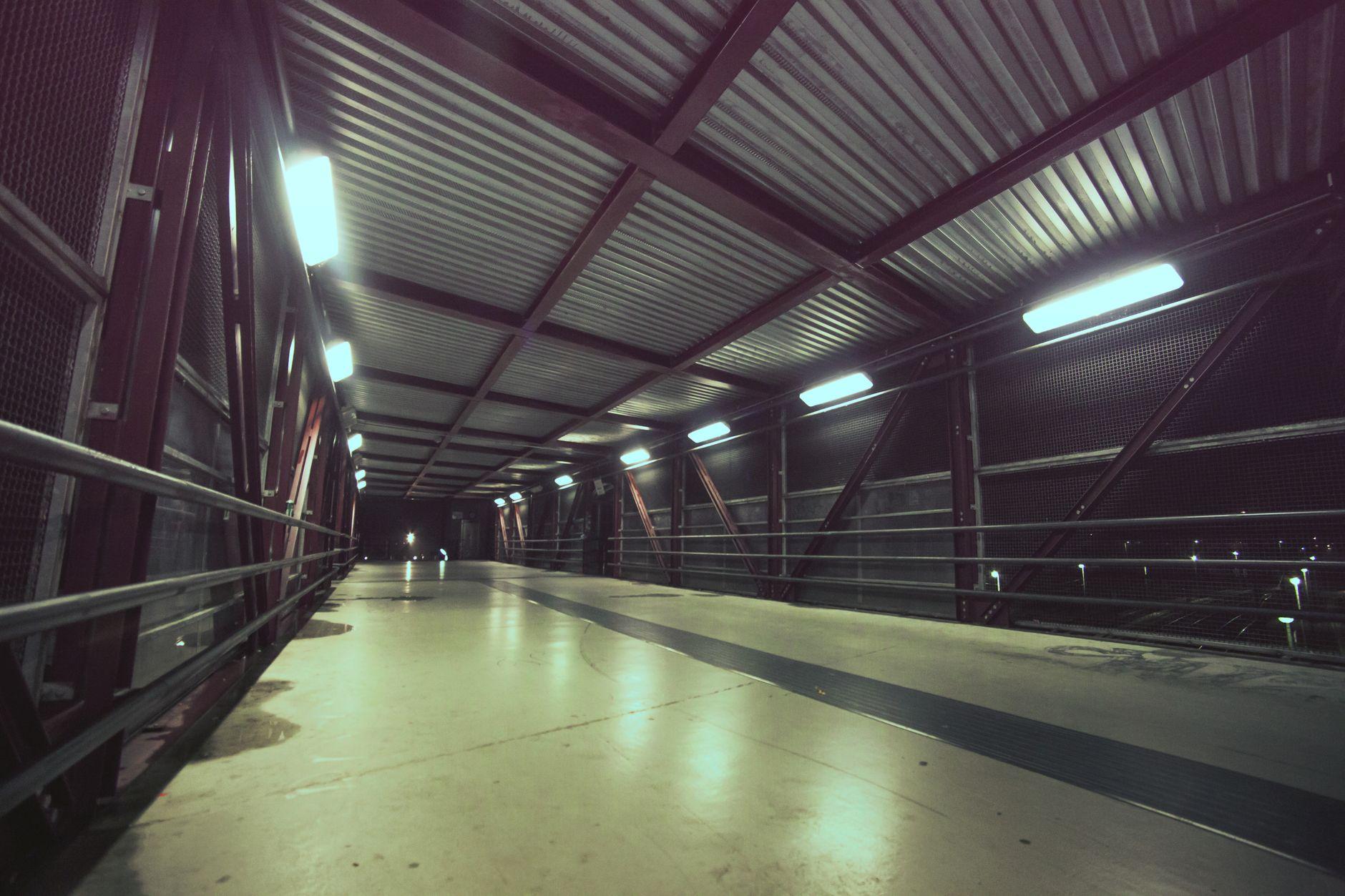
Everyone signs out; the last one out sets the light. When the fittings came out of the Tarnmouth Grand, the suspended 1918 season came back for the dates it was owed – and one seat in the circle had to be sat.

Every district keeps one loss on the book that nobody hunts. Ours had been carried for thirty-one years, and last month the new compliance system closed it.
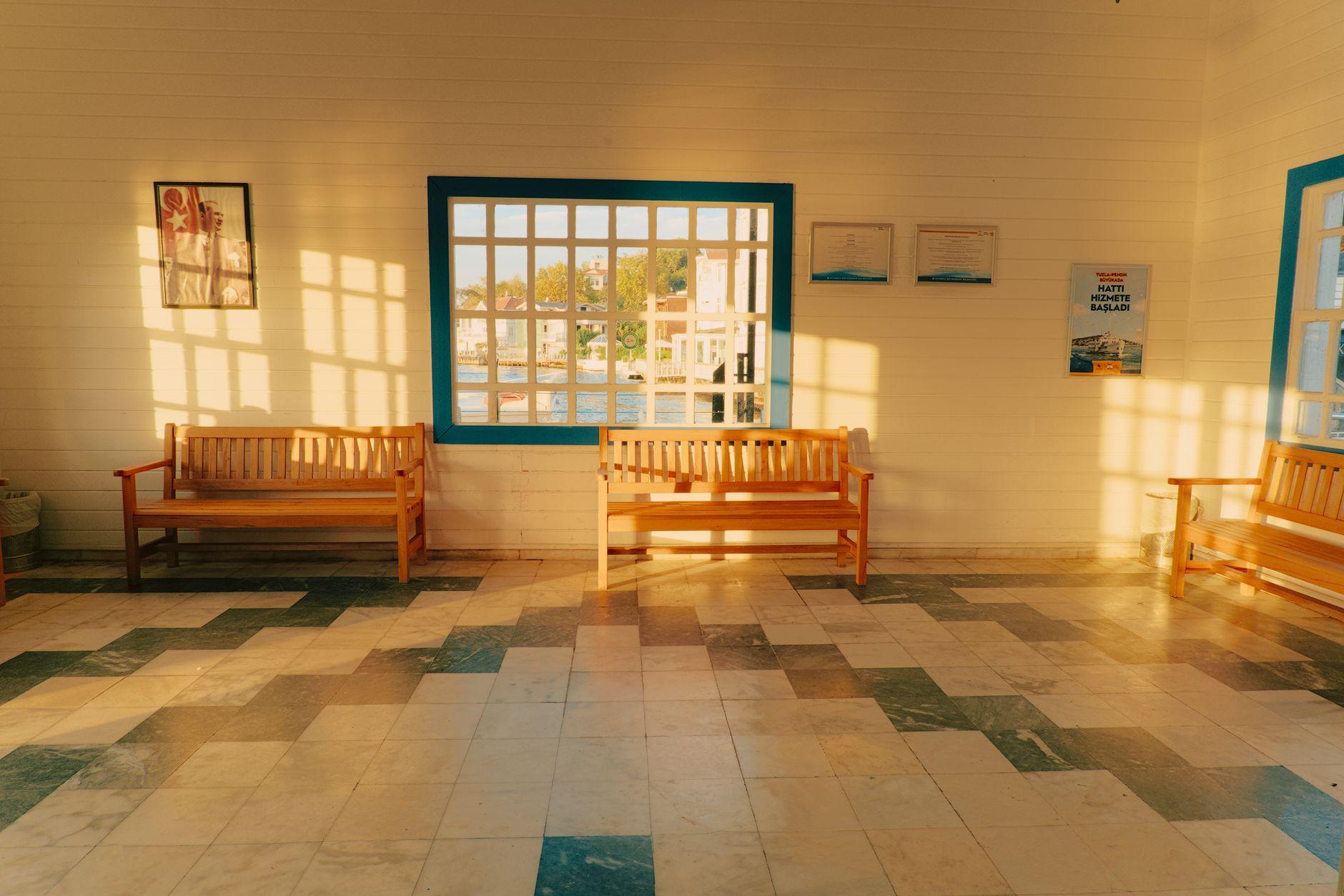
Nell signed as second witness at her best friend’s courthouse wedding. Ten years of family paperwork later, she finds what the county has held for her since 1874.
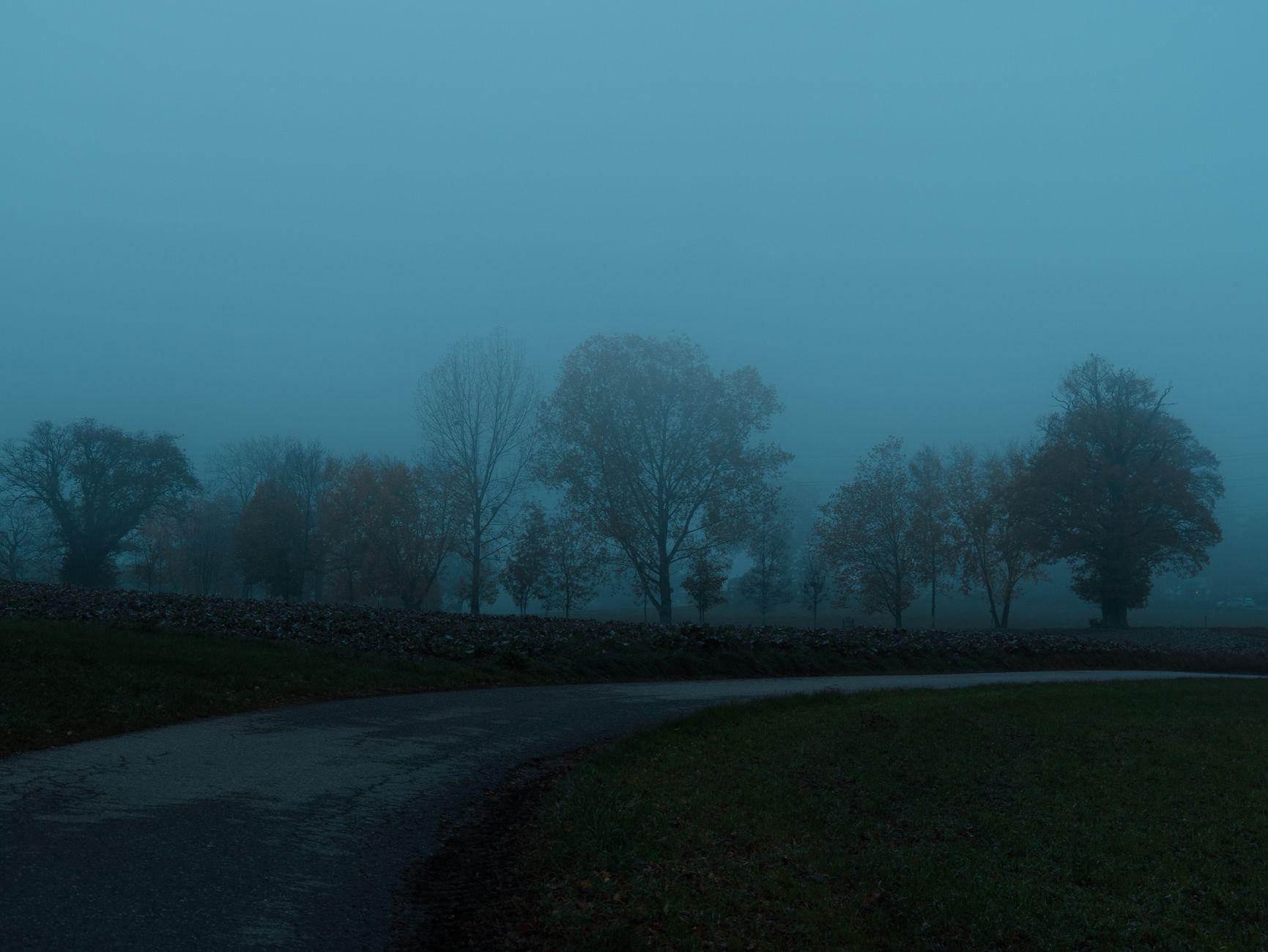
A carrier that fell in 1974 comes back to the line at closing time, wet from the gully and heavier every week. The night I faked the tally to catch the last bus, her weight went onto the morning’s first car.
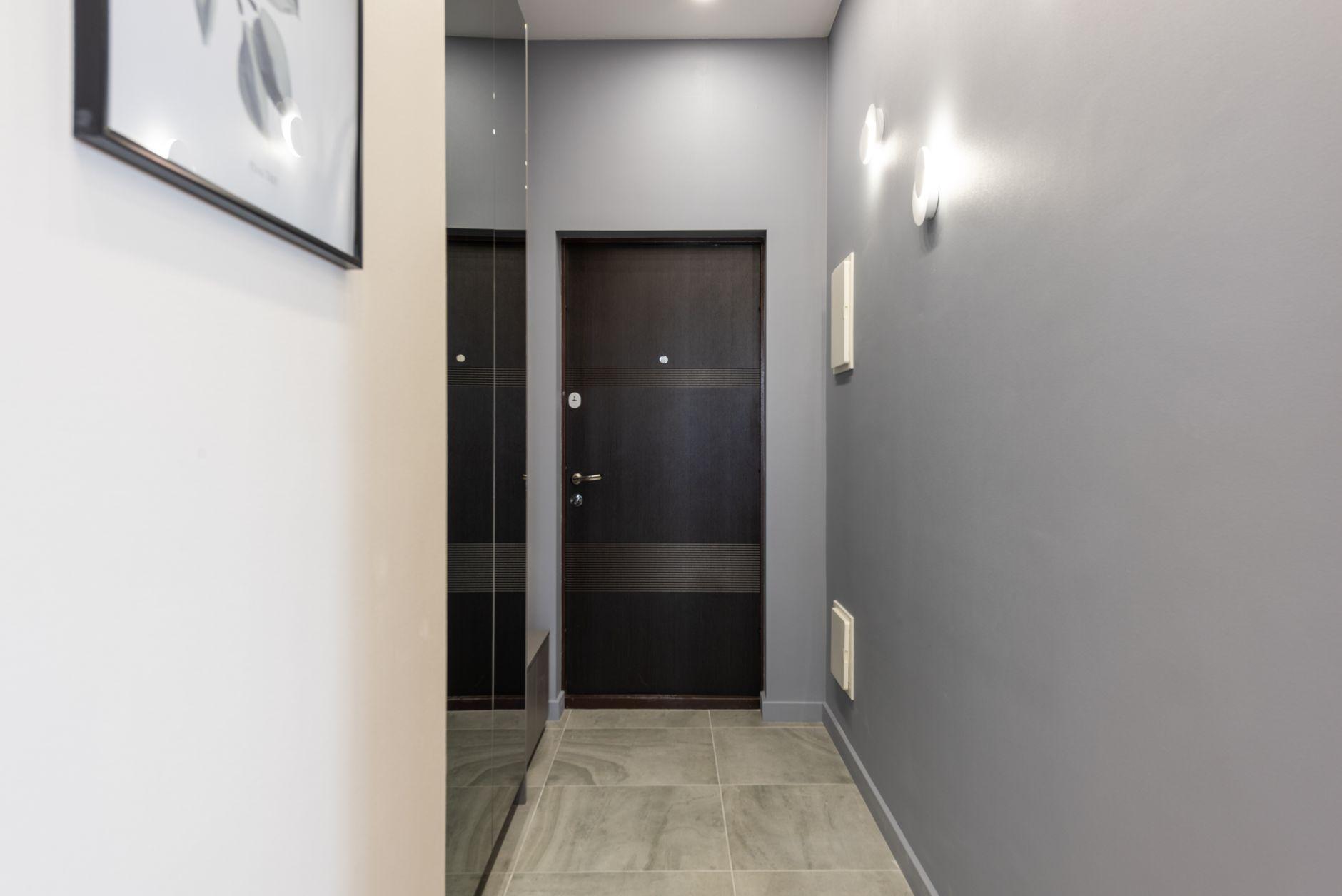
Behind the plaster of our stair wall: nine outgrown left shoes, a cracked jar, and a pencil tally of every child’s harm since 1898. The week the seal broke, the harms began coming back — one a night, newest first, onto our boy.
At Cattermill the linen count has been one short since 1998, and the rule is to leave it that way. Square the count, and the shortage has to be somewhere.
Two versions of the Callowfield rule reached me before I ever worked there. I signed on for the peak to find out which one was true. Neither was, and the count kept moving anyway.


Hardship cases her capped fund cannot cover come back decided RELIEVED in violet ink – real, total, and addressed to a parish that no longer exists.
My grandmother’s will had one condition on the sale of her cottage: the cord goes over first. I walked the coffin road at dusk to be finished with it — and I hurried.
On the Cutler lots the making-up comes before the quarrel. The movers know the rule: never take an early sorry – say not yet, mean it, and shut the door gentle.
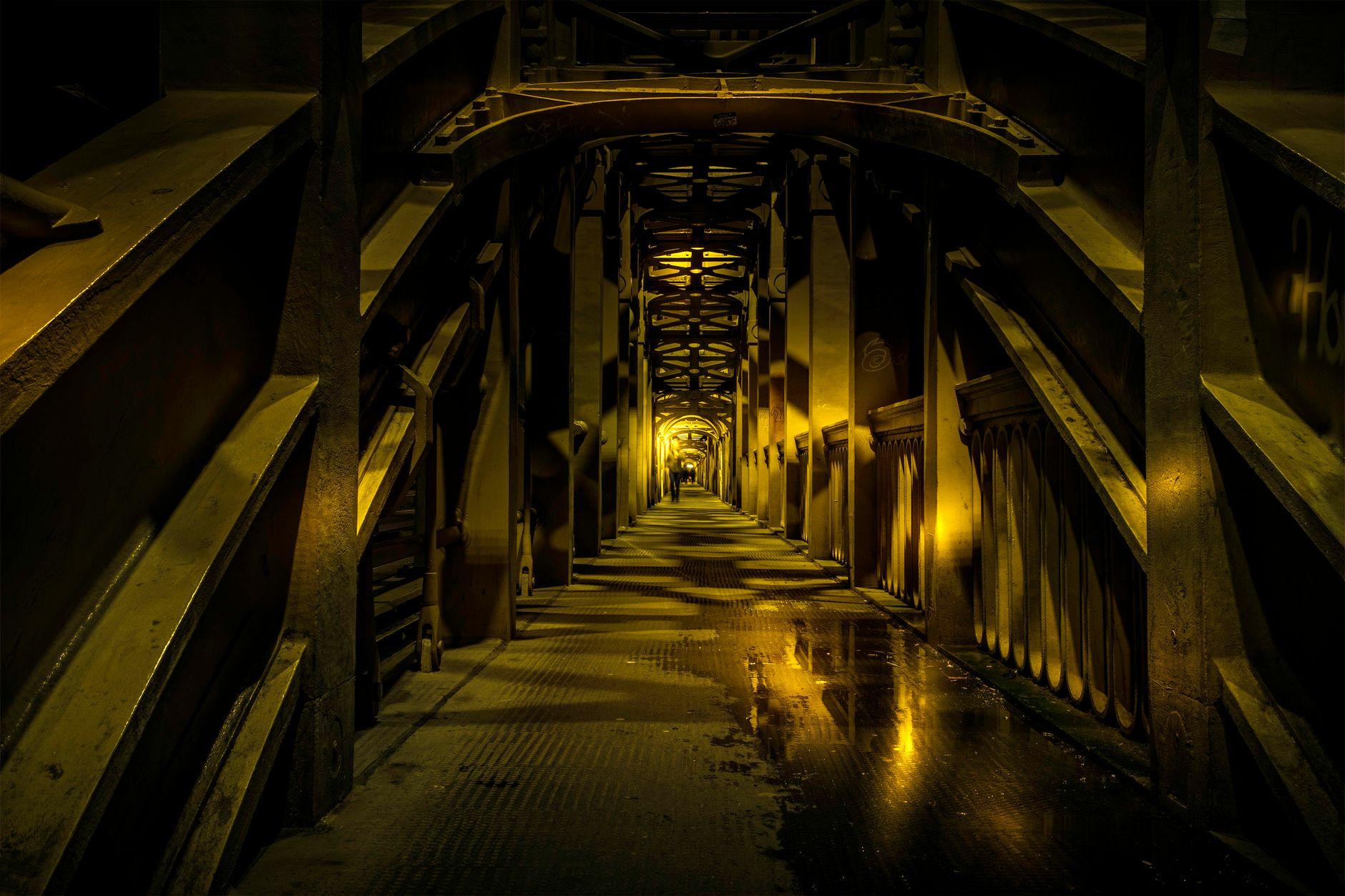
Seven minutes every night, the works’ gas meter reads zero while the mould lines run at full rate. Fifty years of quarterly returns have certified that as variance.
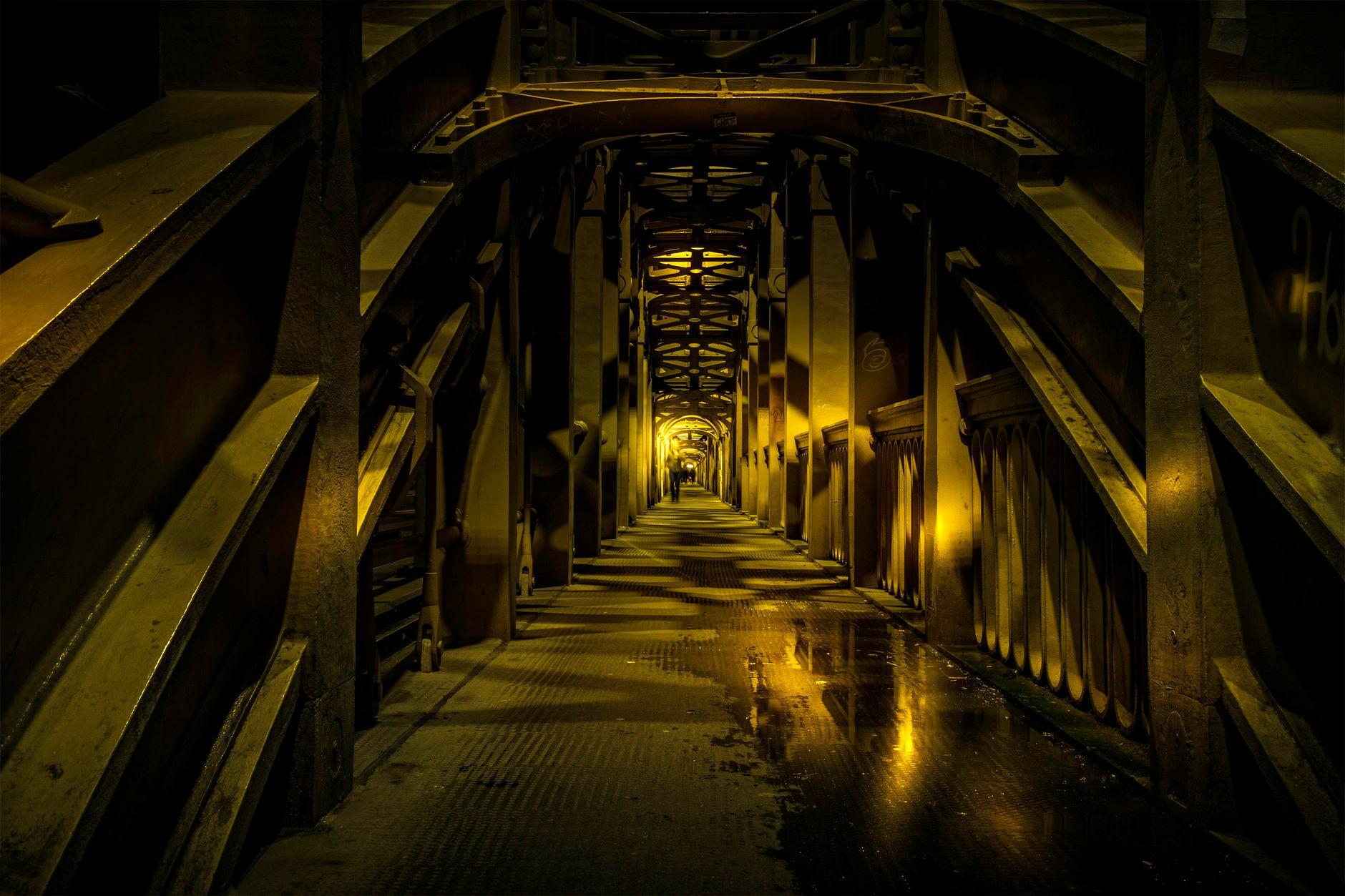
The number three press answers one drawing: a revision the vault has no record of ever issuing.
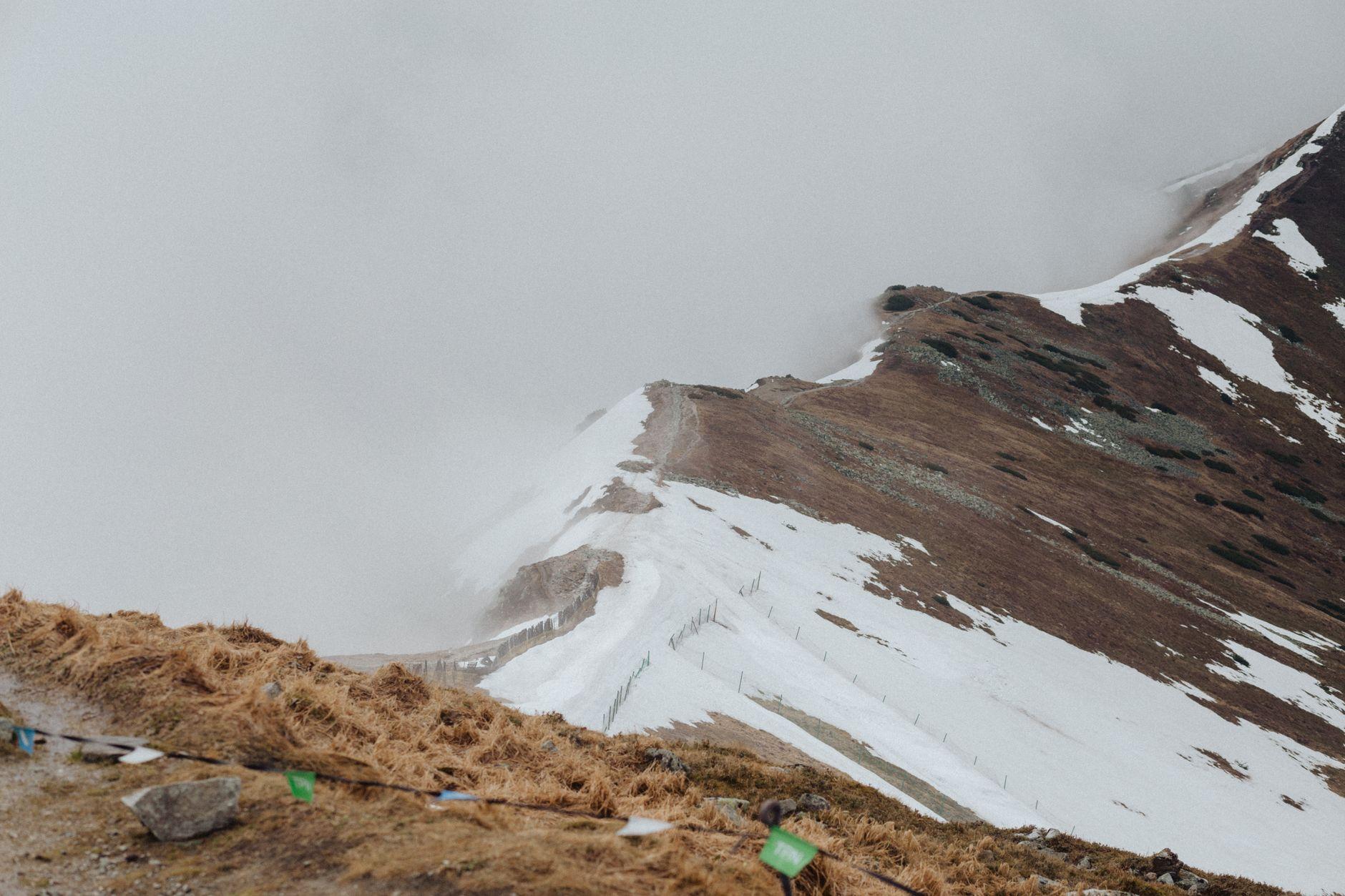
A contract combine operator cuts the corner strip a Fenland family has always left standing, and the field begins harvesting back.

At the residents’ counter of a merged city, one ticket has read IN SERVICE since the day the system went live. My manager called it an error. The ledger in the archive room called it a promise.

The Collier Road underpass takes ninety seconds to walk and whatever time you try to save. Everyone in Alderfleet plans around it. On the morning of her third late, she ran.

A shared house on Tatham Street keeps every tenancy agreement ever signed for it, and still obeys them all – newest signature first. Four tenants learn to write back.

The November audit at Fairmoor Depot fails by one pallet, the system refuses the correction, and the ledger in the locked drawer explains what the floor must hold.

Two brothers farm opposite banks of one divided holding, held apart by the custom that the first seed of every field crosses the water. One wet April breaks it.
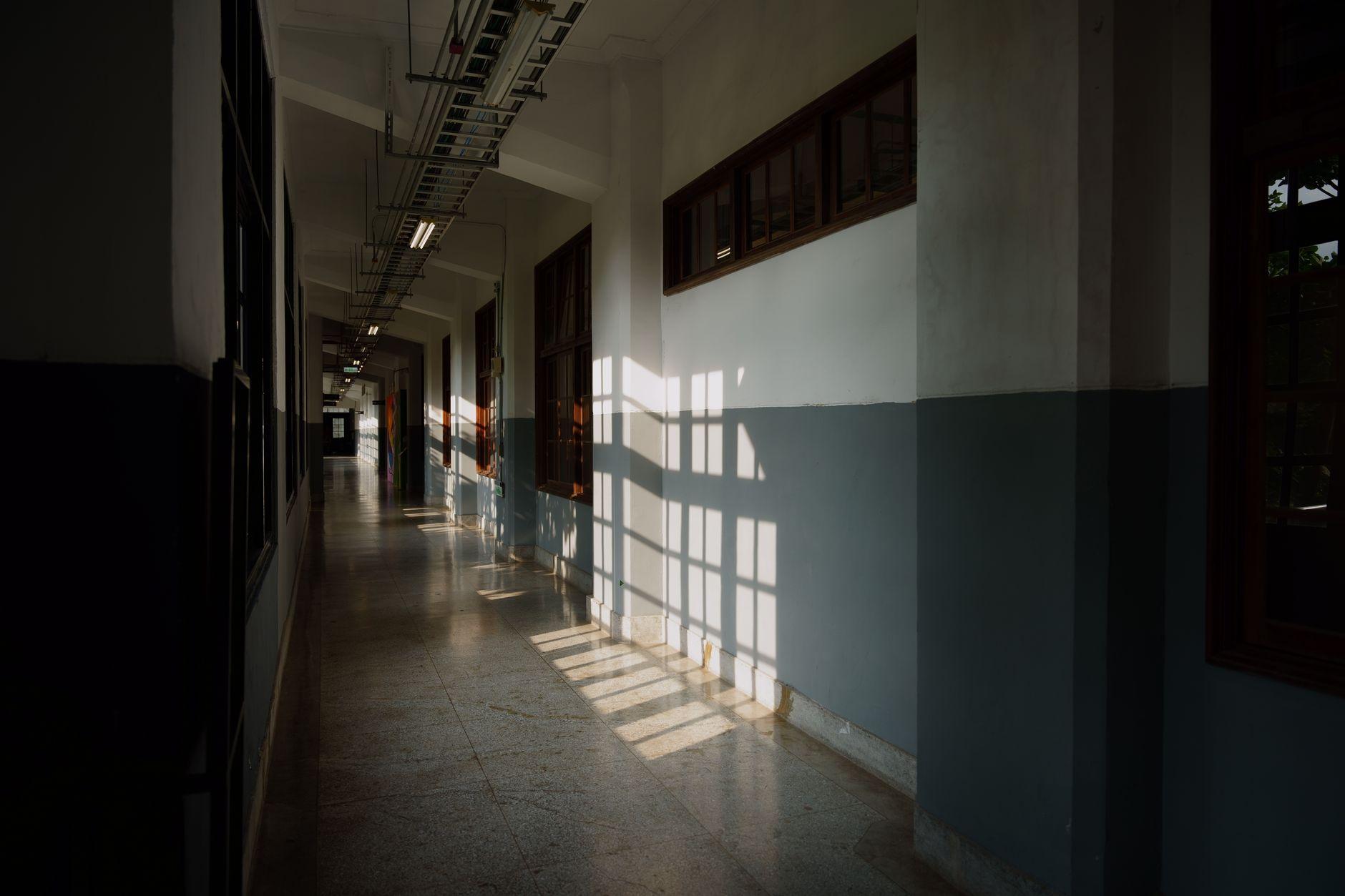
At every poll since 1922 the Amswell box has counted one ballot more than the signatures. The district rule is seal and drive — until a new clerk runs the form.

A night caterer on the old trunk road learns that his 2:50 regular only comes to a dark pitch — and what it costs to keep the hatch light off.
One object a night, nothing ever appeared, and the price of a thing turned out to be the work it did. I was doing the most work in the house — until I wasn’t.

At Brackwray, first man down the incline gives the rail three knocks and waits for the roof to answer. Once means work. Twice means stand the men down – and it was never in the induction sheet.

On Eller Common nothing is left to die. The rule at Bramholme mart is call for the dog, never for yourself – because the fell answers every cry, and it cannot answer small.
A title searcher who reads with her hands picks up a stroke from a 1911 deed column that no clerk ever wrote and no payroll ever named — and passes it on the morning the county vault is sealed.

The bruise arrived on Tuesday, three days before the accident that caused it. On the coast road between Corstane and Sandside, consequences reach you before their causes – and refusing one only supplies what it is owed.

You don’t say thank you in my family’s house. You say it suits us — and every winter the hallway gets a little shorter.

The hospital bought software to forecast quiet nights. The unit had a rule about that word, older than any of its screens. The rule kept winning.
After the bypass, the one number Walt trusts is the streak on his daughter’s gift watch. Then walks he never took start closing the ring.
Every field map from Booth B carried the same missing wedge, at every age, in the same careful crosshatch. The clerk who stamped the licenses had one too.
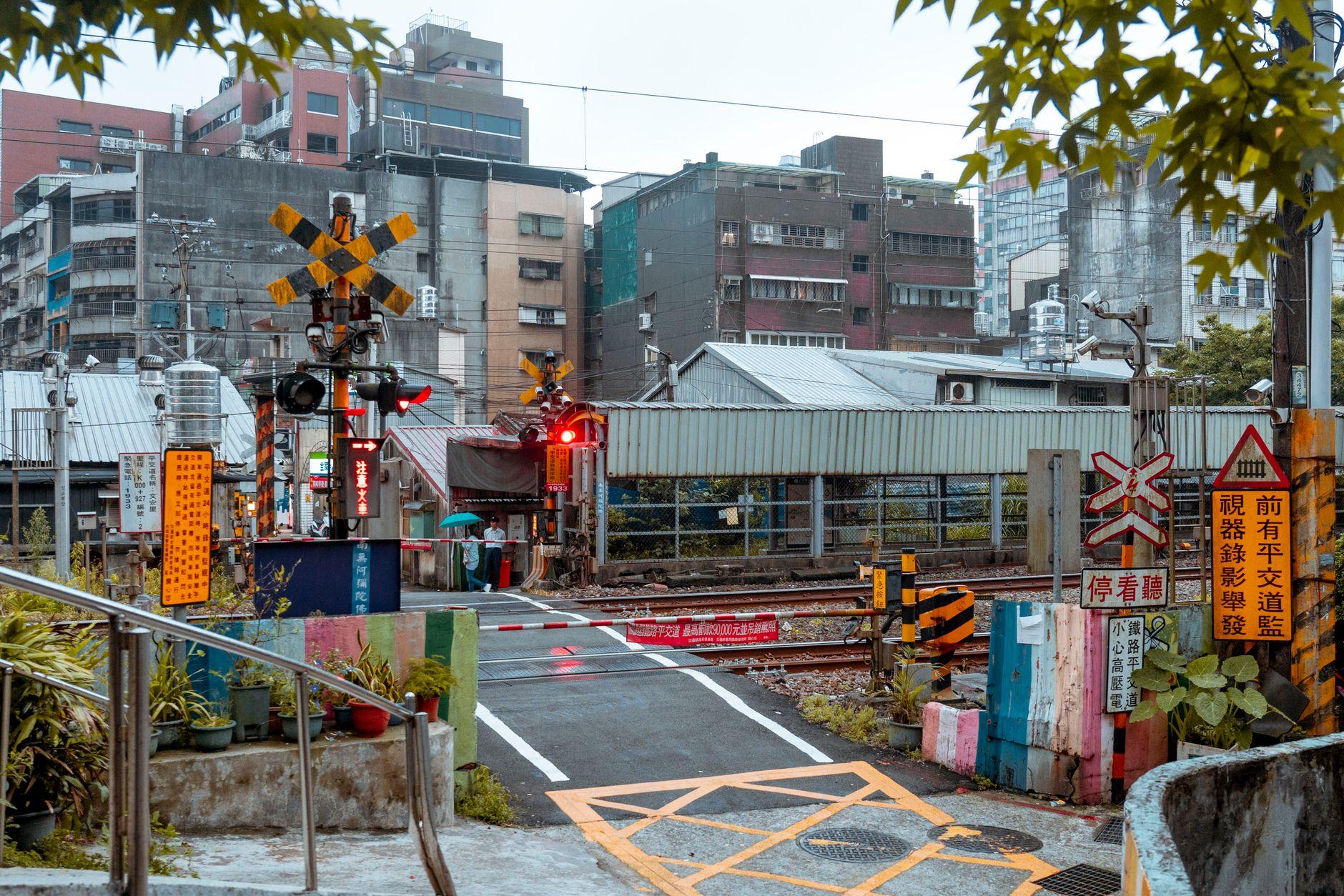
Every winter since 1852, the Colleys poured a pail of river water into the viaduct pier and checked that it came back through, warm. This year the mouths were sealed.

Three rules for the council’s noise diary: ink at the time, exact minutes, and never write down a sound you didn’t hear. The third rule isn’t about evidence.

A forty-four-year photographic survey ends on one plate nobody can explain, and the only column that dates the pattern is a paper roster about to be closed.
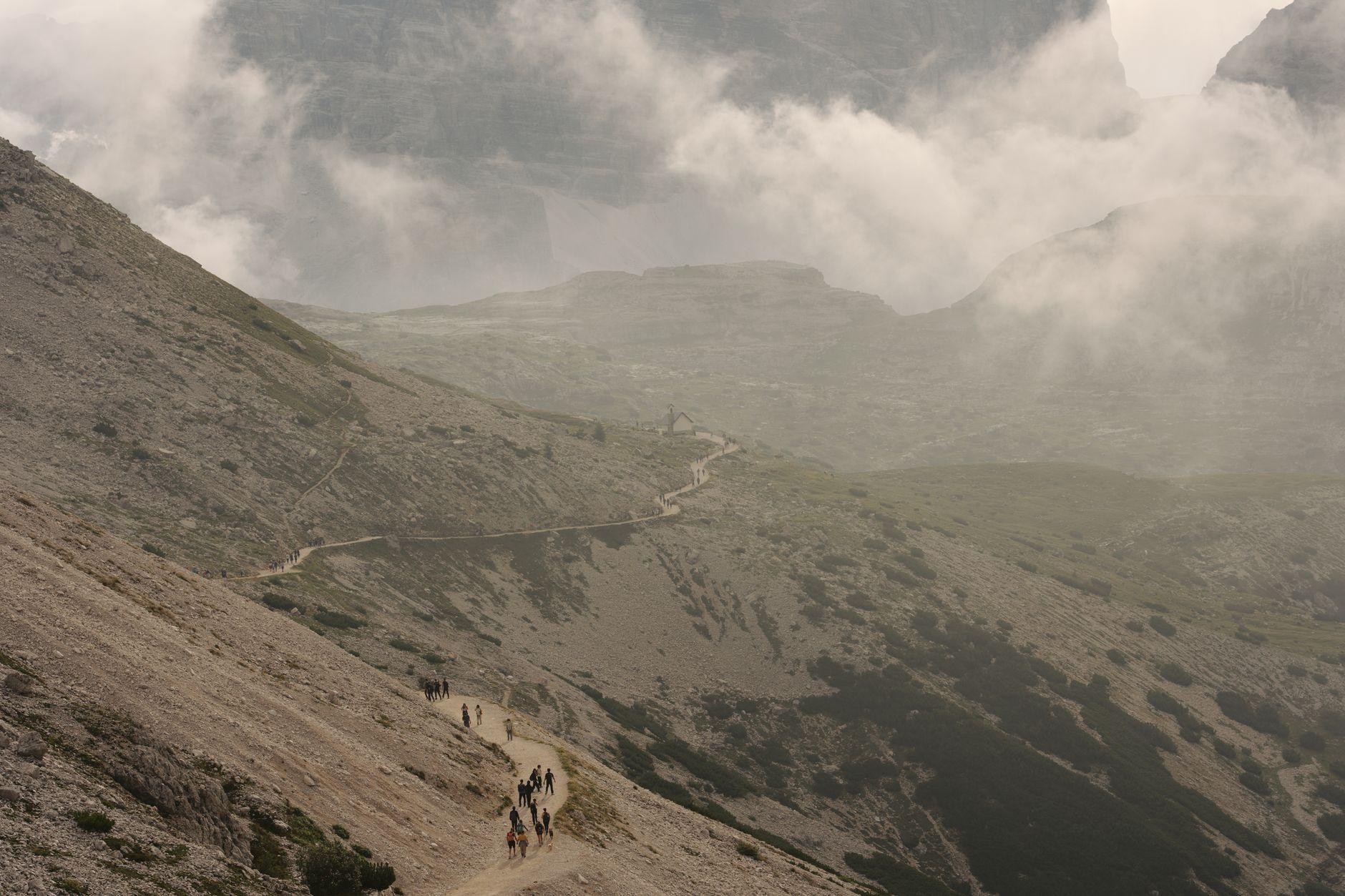
In a drought year, every well on her round should read lower. The wet ones appeared in the order of her route, one new well each round, and the line of them pointed at a hole the state drilled in 1962 and never managed to fill.
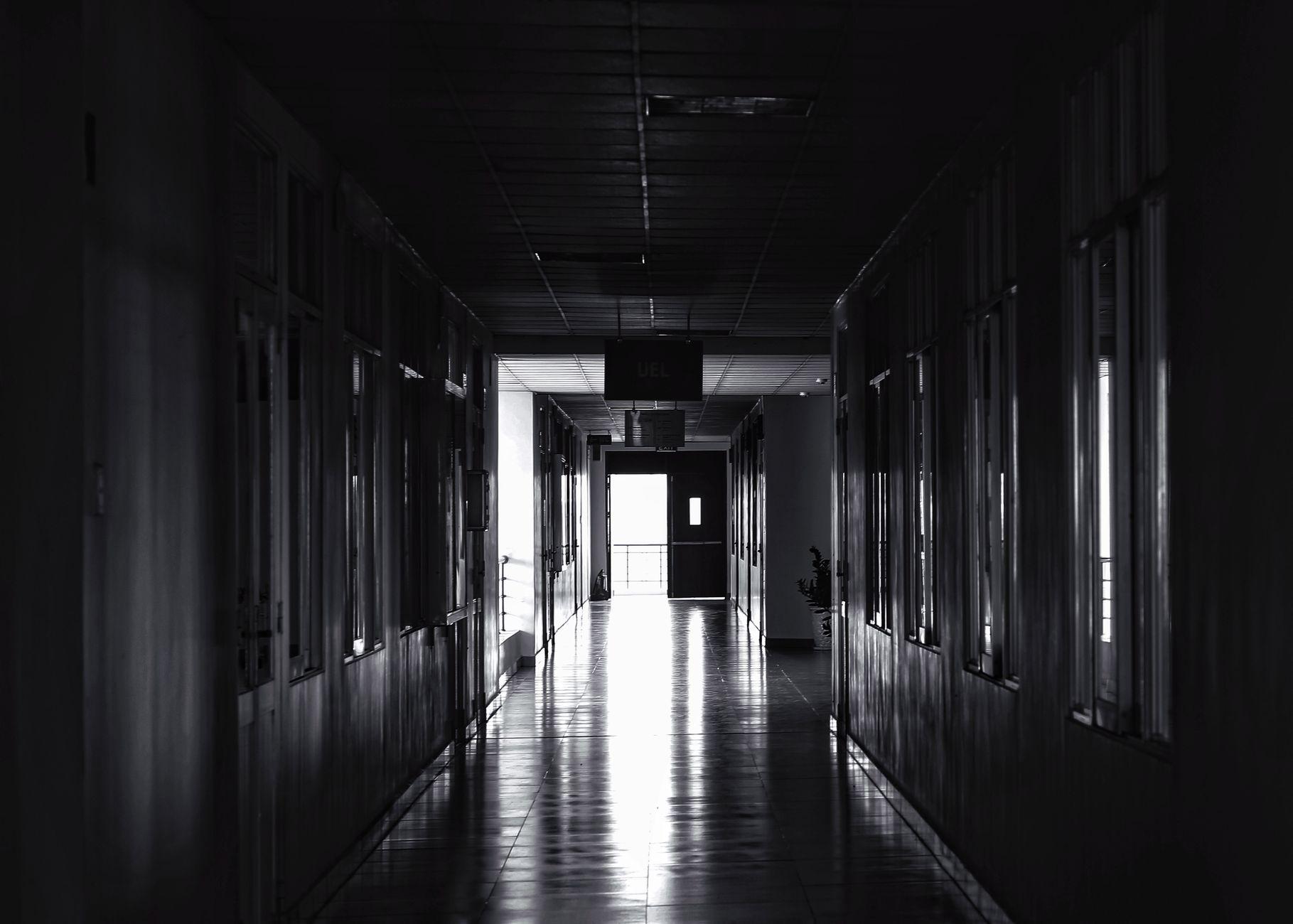
Three complaints from three streets about the same 3 a.m. brass is a file. The nuisance is not the music – it is the gaps in it, and the town’s oldest licence obliges somebody to fill them.
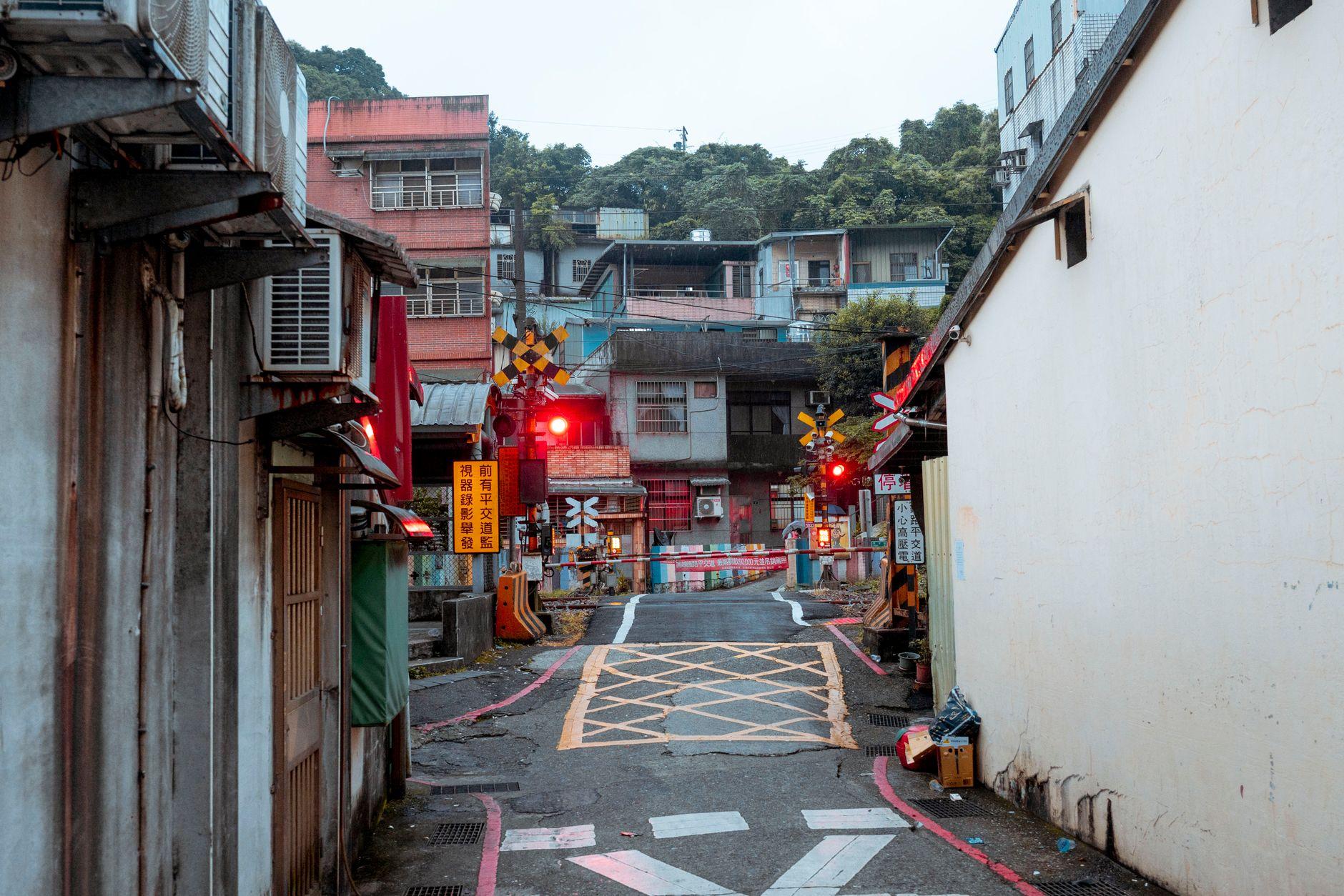
The last bus home had fourteen stops, then thirteen. In the break room they tell you not to count, and never to say the number out loud. A cold-store temp counts anyway.

Every measure the household takes about its keys is answered by morning with one more key in the bowl. Nobody is harmed, nothing is taken, nothing is explained.

At Tranter Marine, silence in a diver’s line is answered at full haul – a rescue sized for copper helmets and lead boots, kept by a man the lock took in 1962. Only the old five-minute rhythm holds it at human scale.

Every farm well in the valley sits where her grandfather’s hazel rod pulled. His one rule was never to dowse the same ground twice. Now she knows what the second asking is for.
During a refurbishment at Marthrow Town Hall, a conveyancing assistant takes a ticket from the machine nobody uses — and finds the number was issued in 1961.
Every instrument in the truck says the straight road to Bell’s Landing is thirteen miles. The map says nine. Everyone along the route writes nine.

Whatever the grandmothers praised over the tablet began leaving the baby — the hair, the lungs, the crying. His father learned the family rule too late: nothing praised under a roof you keep is lost. It is kept.

After her grandfather’s death, a home-health aide comes back to sell the last two acres of the family farm. The stone walls still keep a roster of who counts as family — and a stranger named Wren is on the list now.

Meridian deletes the last machine minder’s post and captures his knowledge into golden profiles. The presses of Tunnicliffe’s keep their side of an older arrangement: they only run for a name.
Her father’s will asked for the oak in the far field of a seven-field drove. Every walker in the parish comes back having crossed six.

Unclaimed maintenance orders kept arriving at the council counter, written in the past tense. Signing them off turned out to be the only part that took any time.

Every year the canvass form for Flat 2 returns complete, and every year the post to that address bounces back undelivered. A temp in the elections office gets the file, the visit, and the drawer that comes with it.

The ticket machine announced a stop that was never built, and the record said I served it — so I opened the doors. The man I set down at that wall is still standing there, and he is not the one who has been waiting longest.

A son winds the clocks his mother stopped at his father’s death, and learns what winding is.

Every guard on the Water Street contract knows the rule: tear the disc. Nobody warns you about the other clock.

For nineteen summers the evening report said no smoke observed, and it was true in every way that could be audited. The white columns went in the back pages, in pencil, under my initials.

Metrication comes to Marleigh in 1986, and the reference masses in the inspector’s sealed cabinet go missing one nest at a time — while every stamped scale in the borough drifts by exactly that much.

Her father’s fog rule had a first half she trusted and a second half he never said out loud. On the moor road, following a light is how you stop driving the road yourself.
The house on Tanner’s Row finds whatever you lose, for ninety a month under the street. Three rules come with the tenancy, passed down like scissors. We should have asked who wrote them.
A bindery bench hand starts sewing a three-station pattern she never learned, and the only man alive who has seen it before begins collecting her books.

Every break made on his family’s farm arrives later, newest first, one per dawn that opens without a mend. His father’s diary has held the queue shut since 1947 — until the son stops paying.

Every year since 1742 the council has sat for one hour and minuted nothing. The temp digitising the burgh’s minute books went looking for what that hour holds.

Every driver on the airport circuit eventually hears the rule about the pin at the old Delaney Road stop. The hard part is not believing it. It is remembering who told you.
A £29.99 fridge door camera was meant to end the Saturday arguments about wasted food. At 3 a.m. it began photographing somebody else’s shopping on our shelves — and then the jars started crossing over.
For fourteen months the night shift ran on a second man everyone could see but me. The sheets said he maintained everything. The throw-arm said different.
Every farm on the lane kept one unploughed strip along the old parish boundary. Ruth needed clean lines for the sale. The nights before first frost taught her what the strip was for.

A clearance foreman emptying a council annex is handed three rules nobody explains: bag it loose, collate nothing, one cabinet stays shut. The building has fifteen rooms on Monday and fourteen by Wednesday, and only his own signed paperwork remembers the difference.

For nine years the last bus out of Ardharragh stopped at Lisgorman because a girl rang the bell twice. One Sunday, out of kindness, it did not.
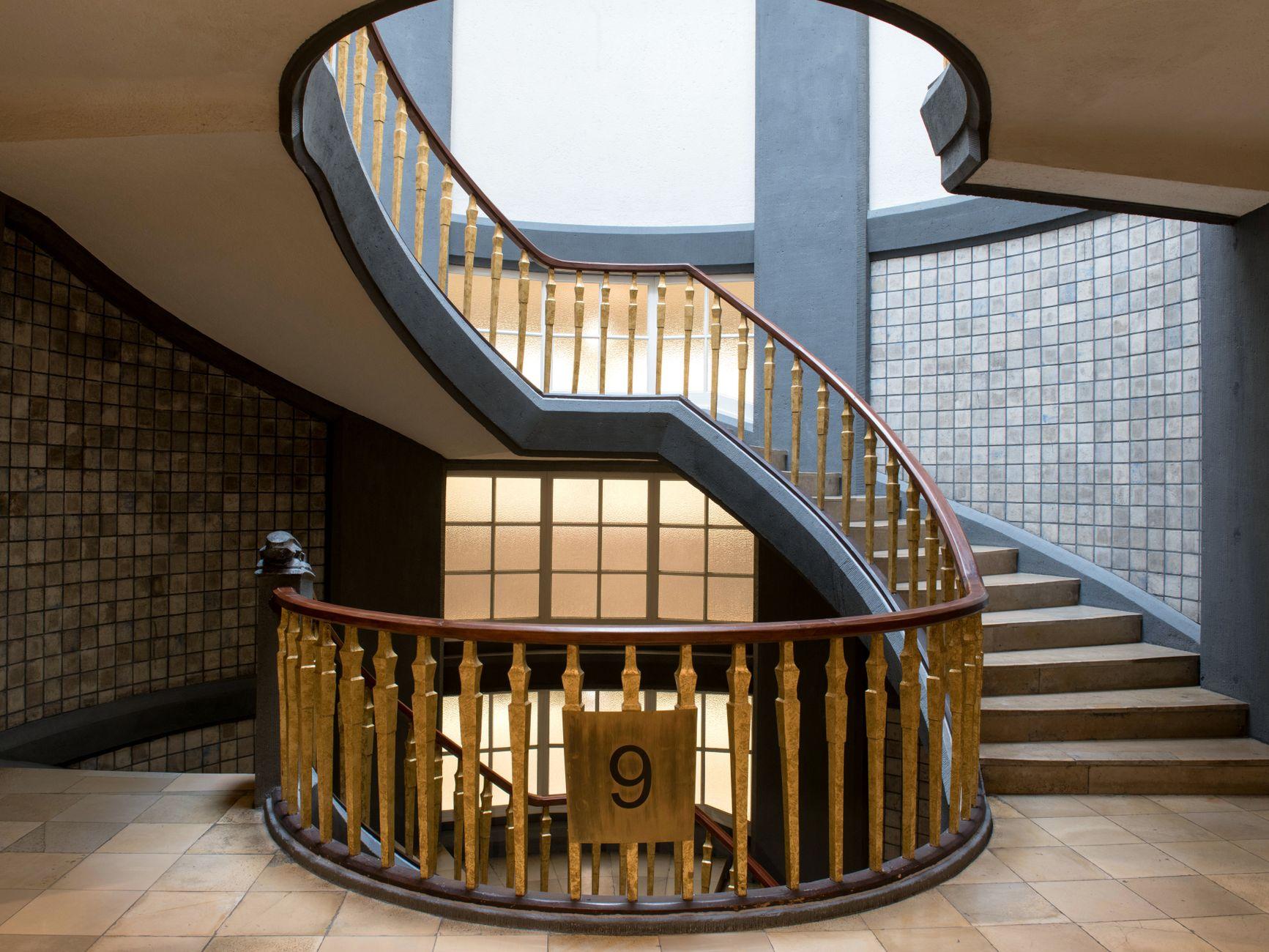
A locksmith’s first rule: never leave an orphan in a door. I broke it on a Thursday night, and by morning somebody had finished my lock — with a key that wasn’t mine.
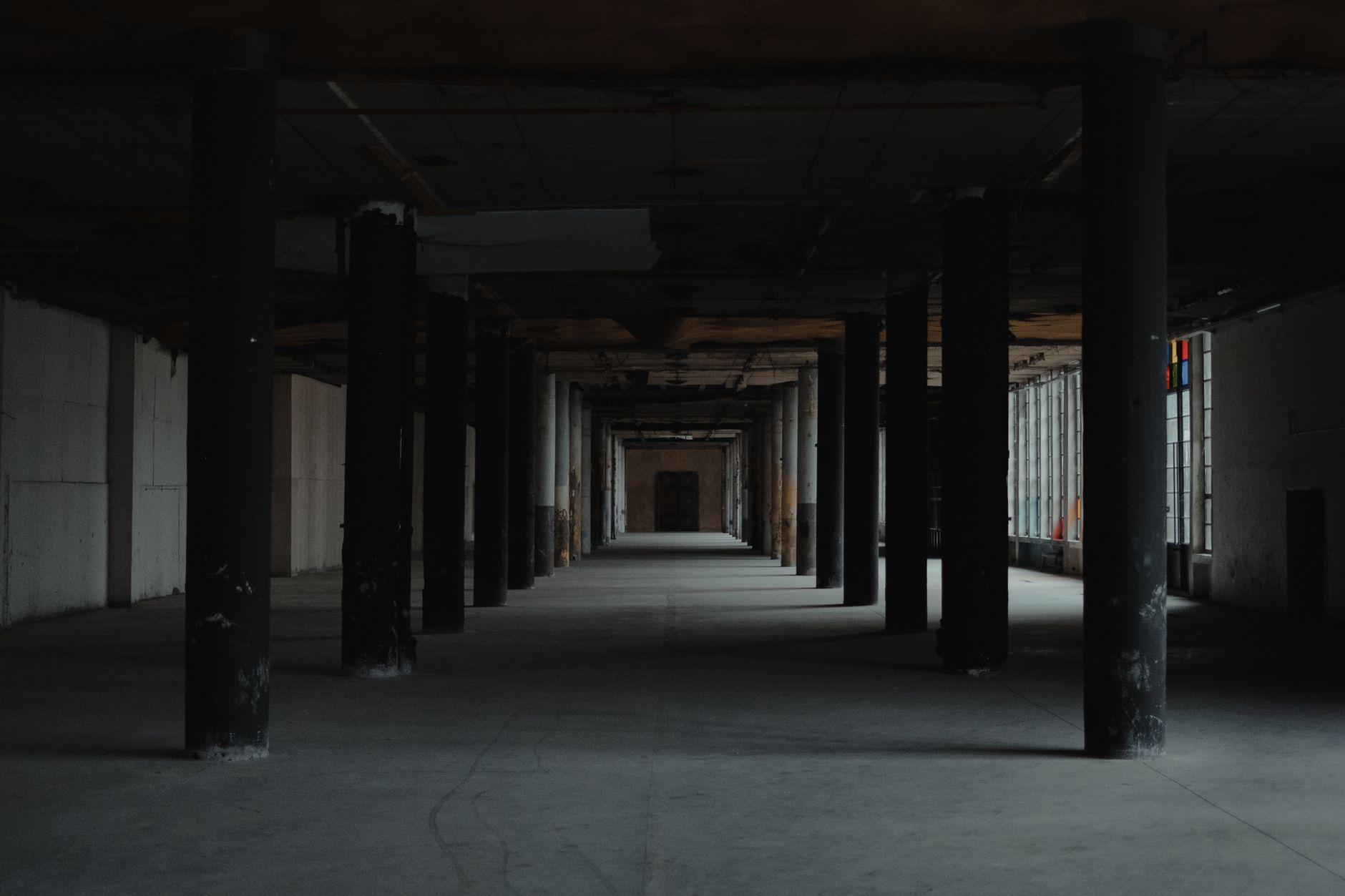
Six vats carry the orders at the Tokuda dyehouse. The seventh is fed every morning and never used. When the audit orders it emptied, a hired dyer learns what the keeping has cost so far, and what it will cost him.
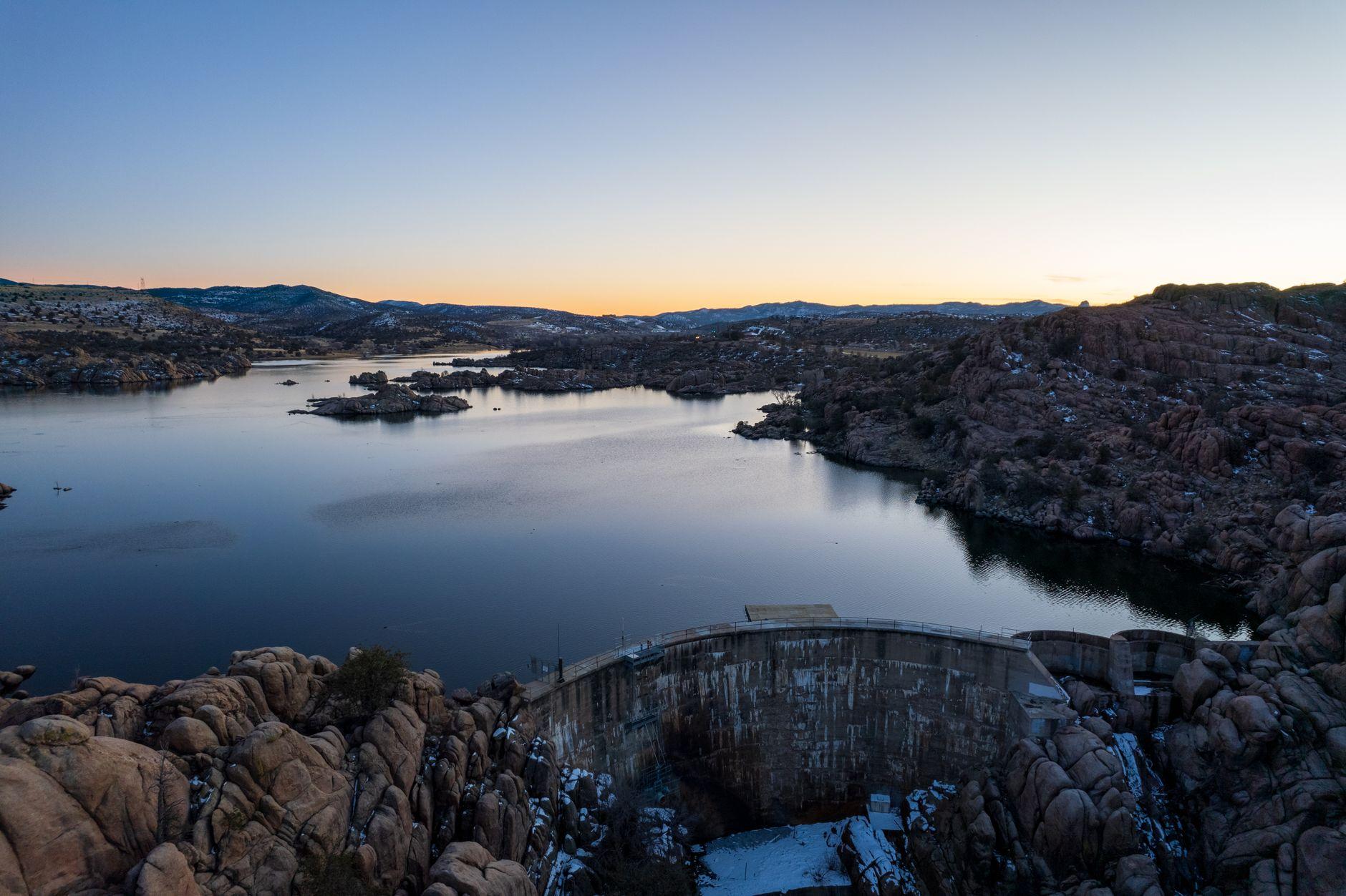
Every autumn, when they open the valves and the reservoir drops, the boundary lane takes one ordinary thing. My grandmother spent forty years choosing which. This year the choosing fell to me.

One dog licence a year arrived by post with the fee counted to the halfpenny, a real owner, a real dog – and no sender. The audit passed every one.
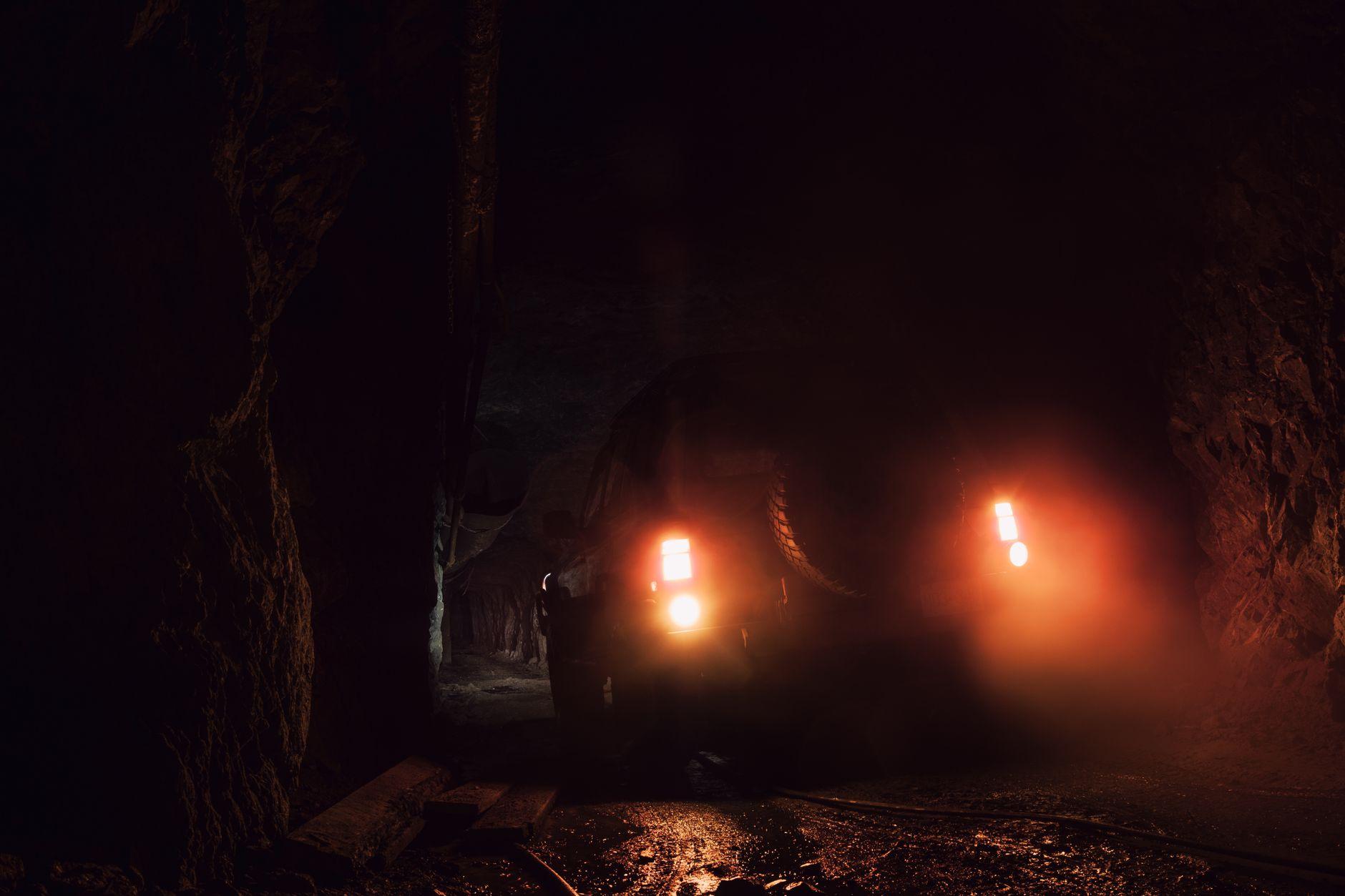
When snow closes the Ashcross tops, the stopped column of traffic couples and hauls itself over the pass. The locum who takes the winter nights learns the handover rule – and what the road does to whatever stands on it at closing time.
Quarrels in my family’s house were walked off in pairs before sundown. Nine days unwalked, I did the arithmetic a house like that teaches you.
The disciplinary letters at the plant are dated for Fridays that have not happened yet. The old hands say: take the paper, it is cheaper than the press.
Every 19 March, wall to wall, the clough greens – whatever the weather. The recording scheme files it as an error. The town has its reasons.

A district registrar clears the marriage backlog with same-day licences, and on fair days, at the closing cry of the old market bell, the unproclaimed spouses start to go.

A council clerk closes the paper applications for coffin passage as invalid, and the doors on Church Way begin opening themselves at first light.
On the Harrowfield estate nobody comes home early. My clock cards put me sixty miles away; my family remembers me at dinner. Both are true.

The count at the Kettleshaw core store is taken from the driller’s log, not from the rock. This year, for the first time, I measured the rock.
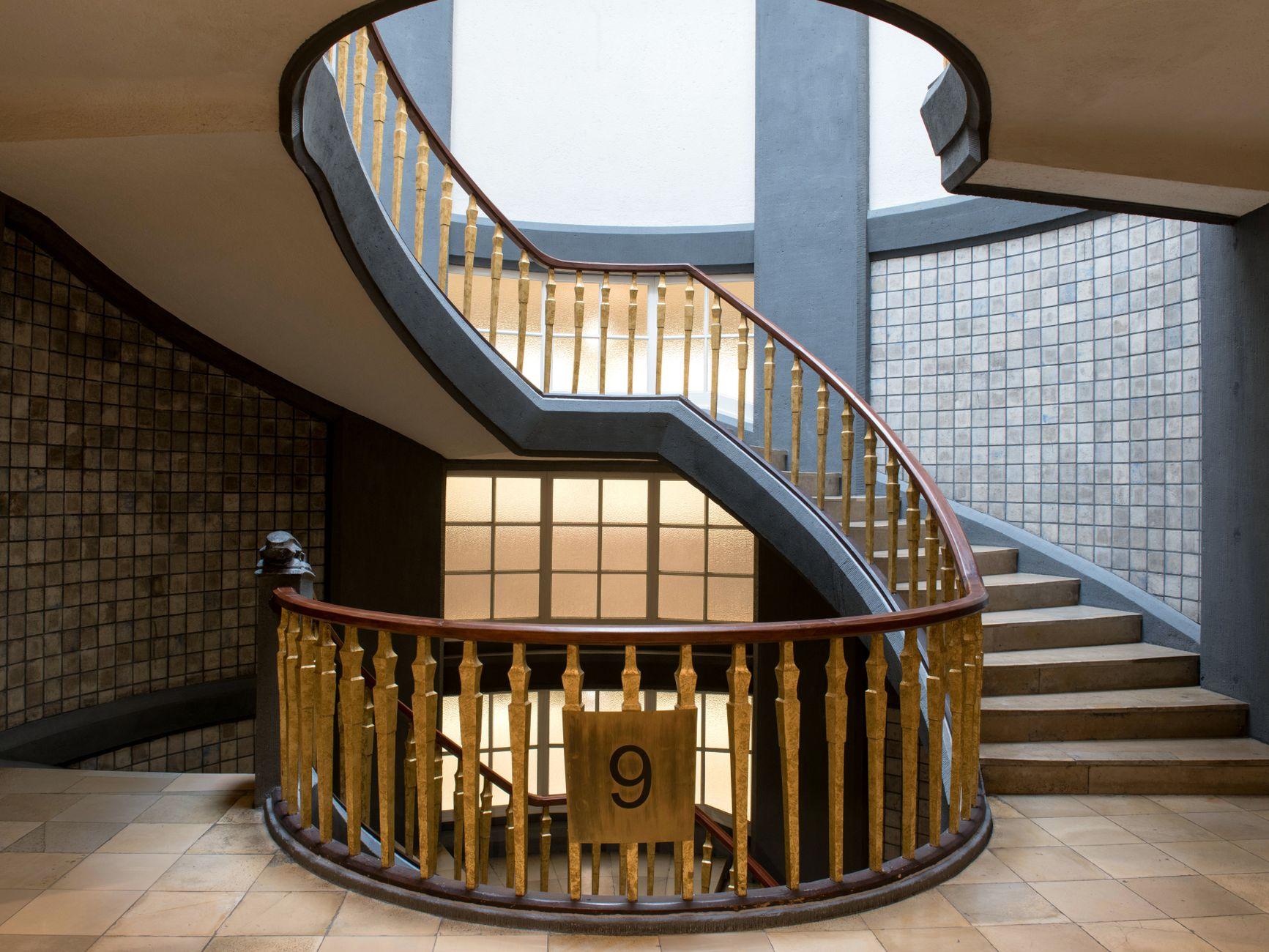
Whatever we did in that house alone came back once, at dusk, fainter, from the place we made it. We stayed anyway. This is what it cost.
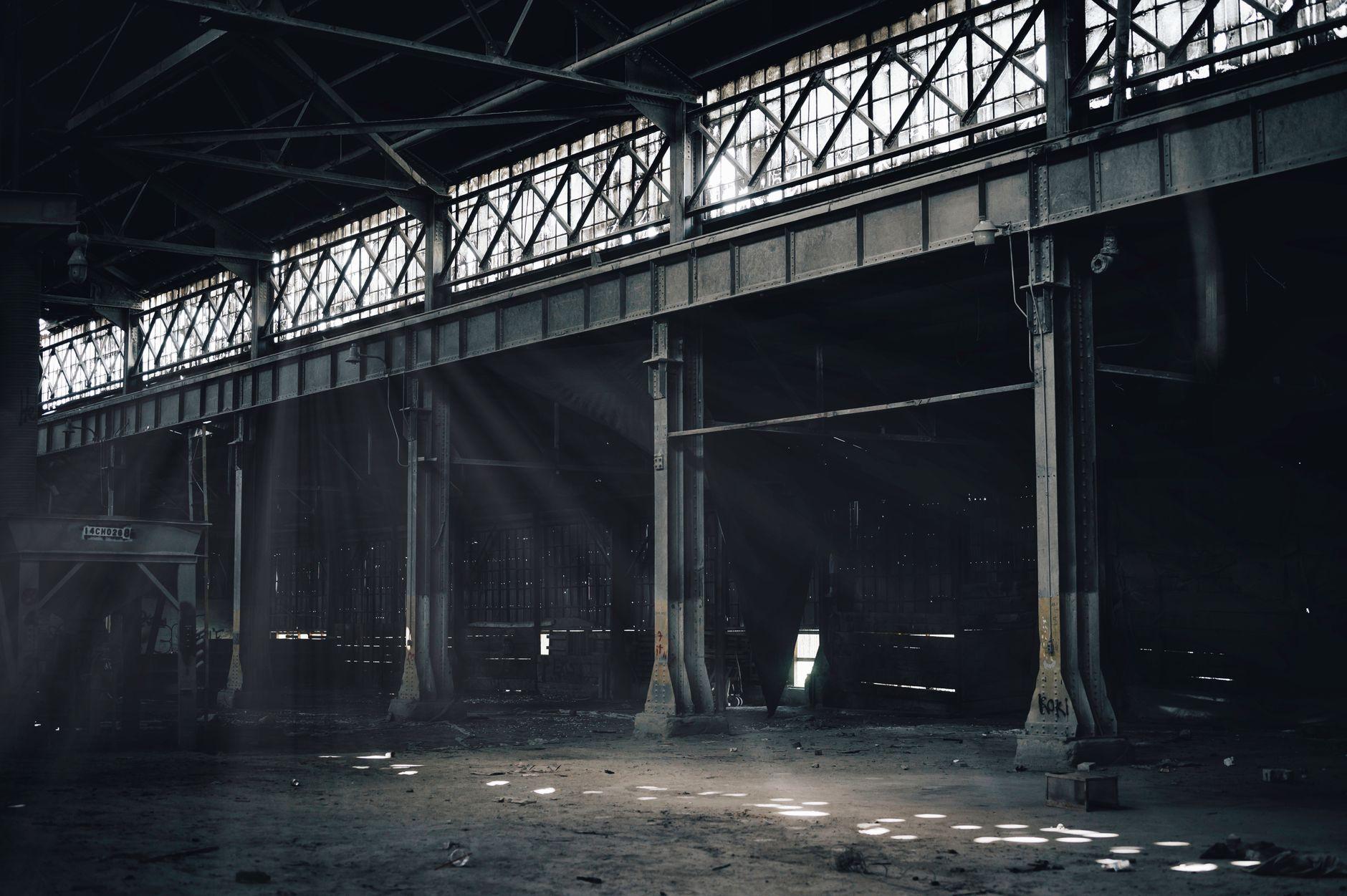
Matched things began leaving the transmitter hall one half at a time. By the time I understood the rule, I had already given my seat away.

A compliance notice, a two-hundred-year-old ledger, and a rule nobody was ever meant to understand.
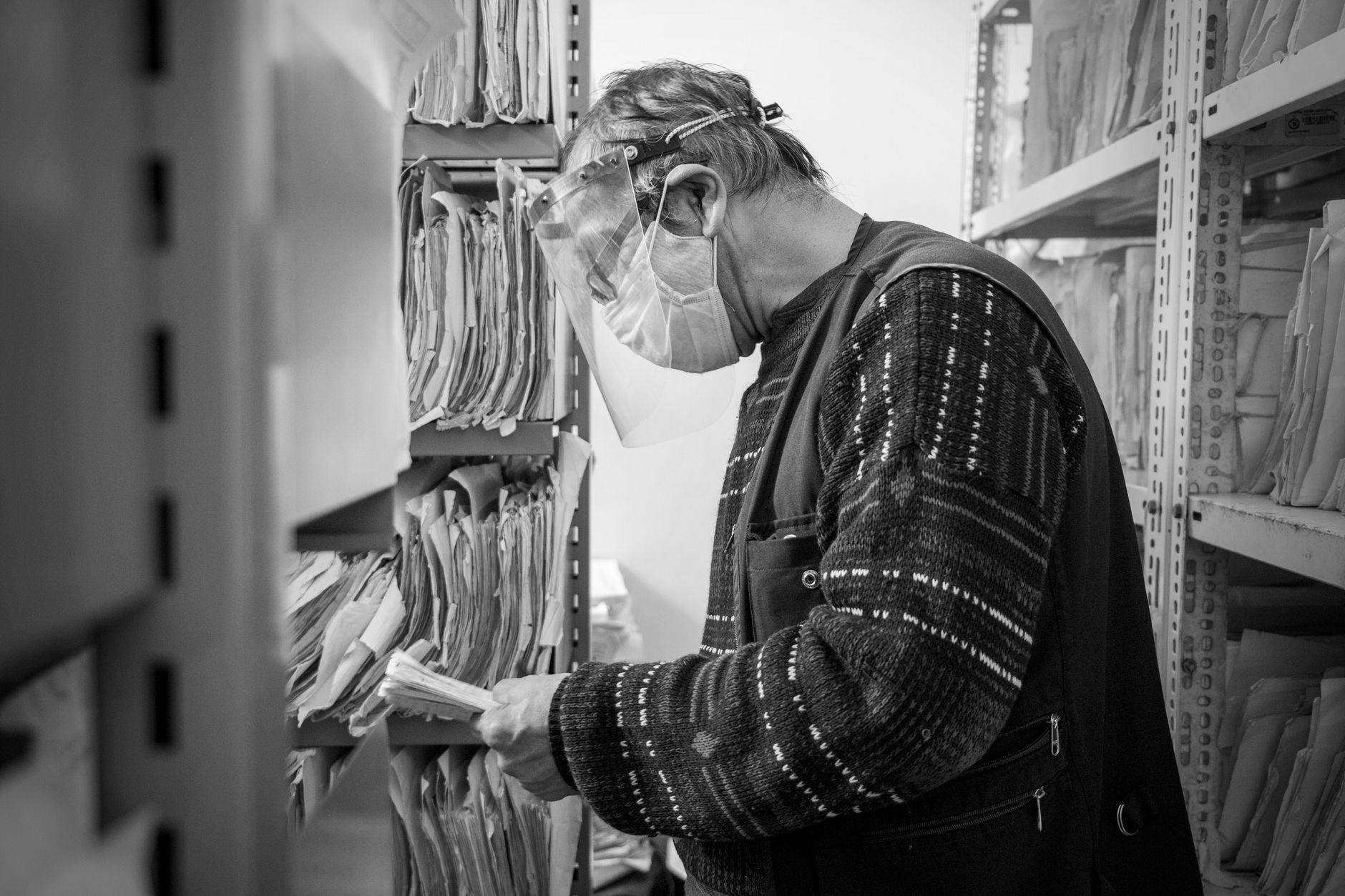
Past midnight on New Year’s Eve, with somebody still in line who cannot pay, the boarded Ninth wicket opens and settles their arrears against the county’s own century-old debts – at face value.
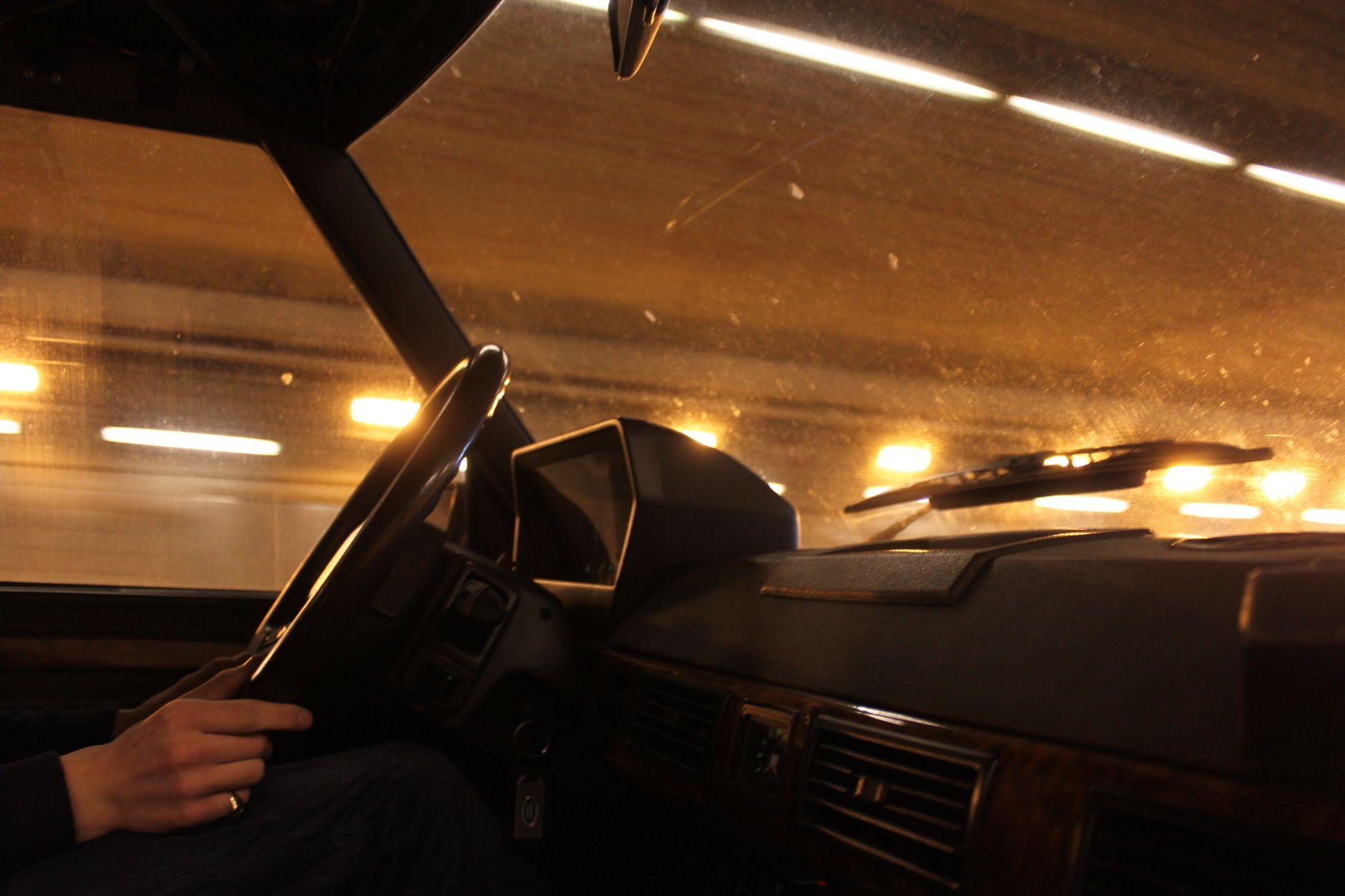
The bus went down and my body was not told. Twenty-two years of reading one road through the wrists – then one November morning the oldest thing under the tarmac stopped arriving.
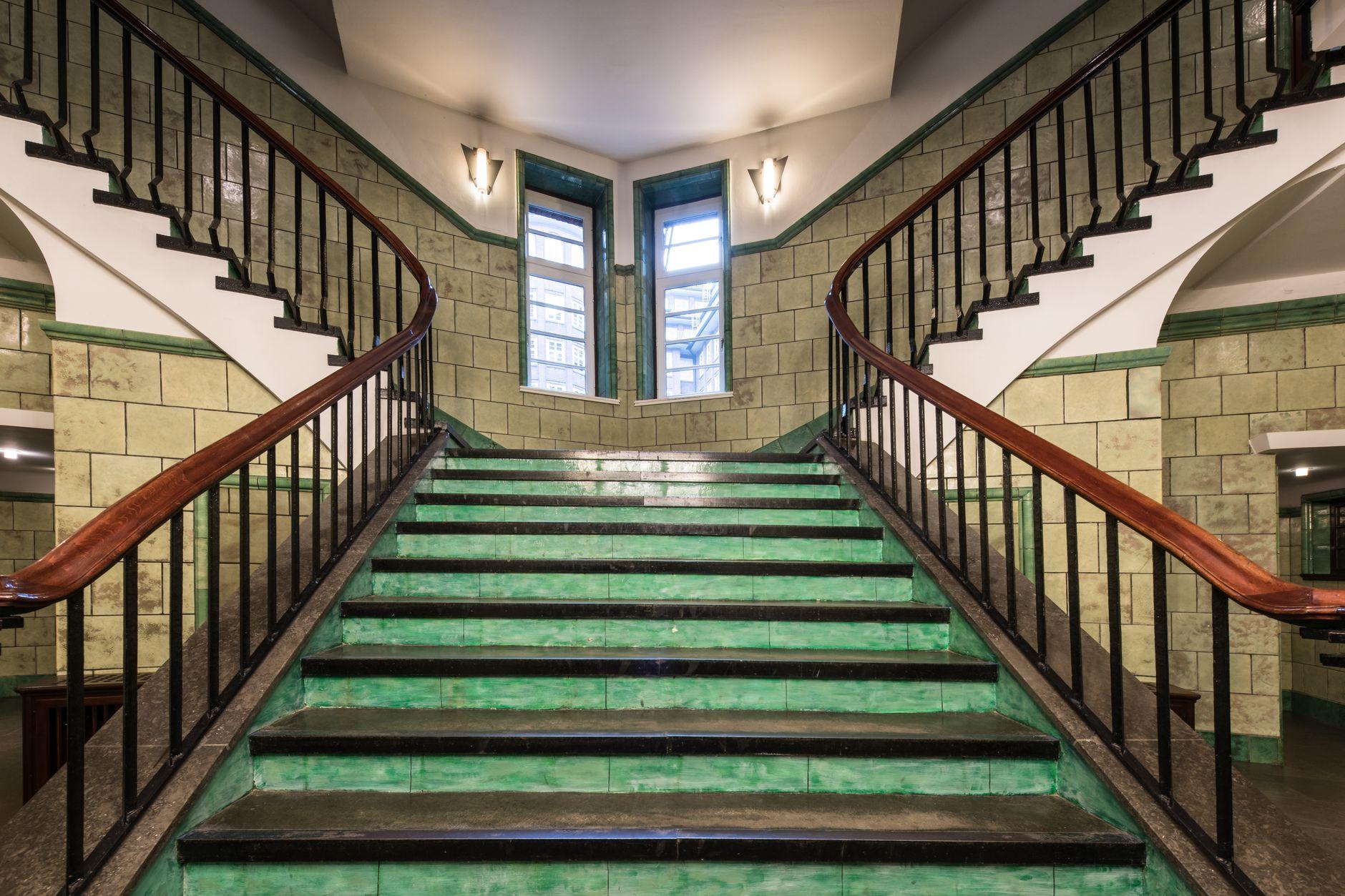
A night nurse dates a burn on her arm as days old on skin that was clear yesterday. In her house, every wound arrives before its accident – and the intervals keep shortening.
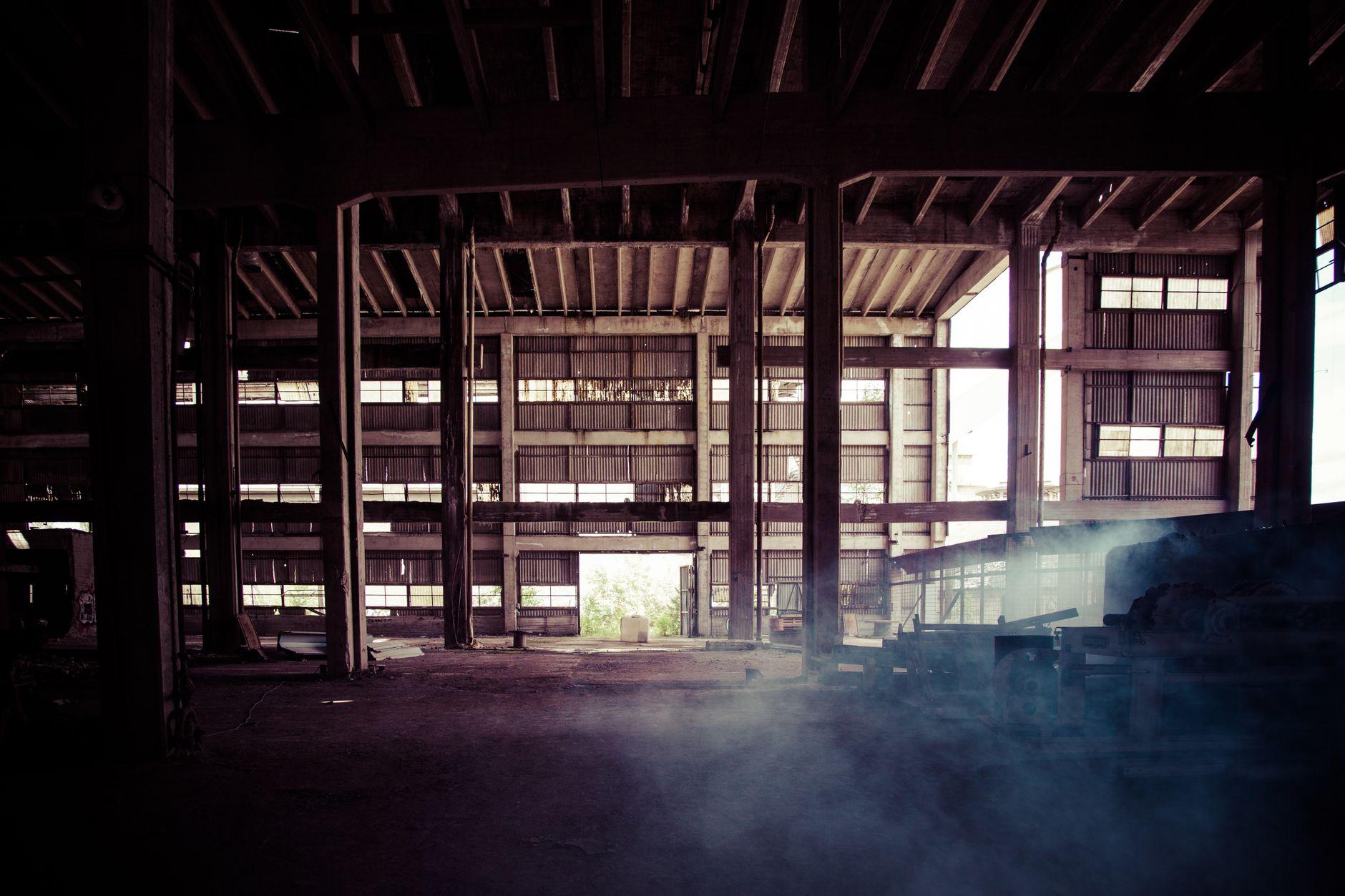
A payroll audit turns up Employee No. 4, paid weekly in kind since 1893 and known to everyone at the distillery. Cancel the line, and the angels’ share comes for the stock.

The county’s LED retrofit reached the one porch light Mick’s rule said never to touch. Then its event log started answering at 03:04.
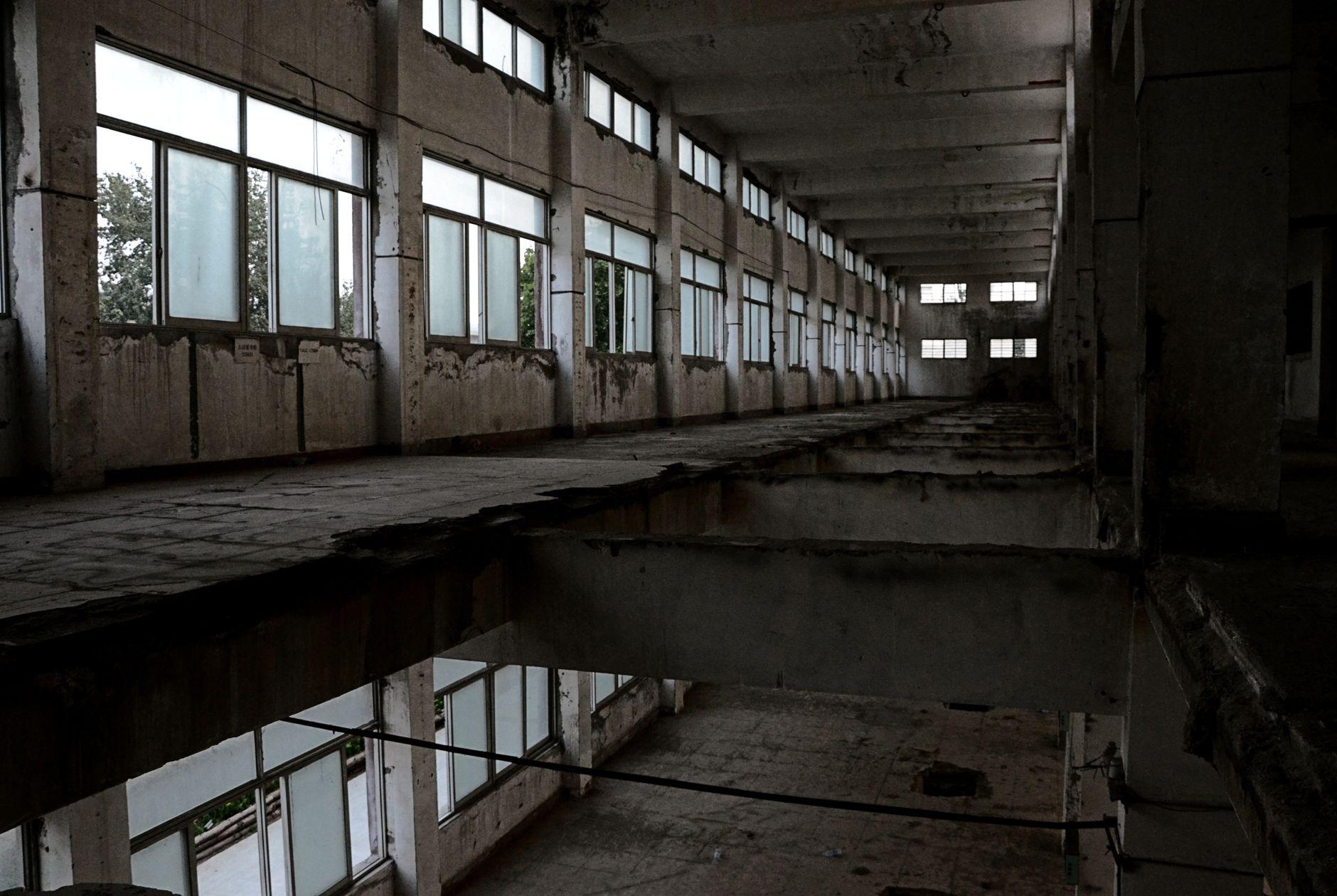
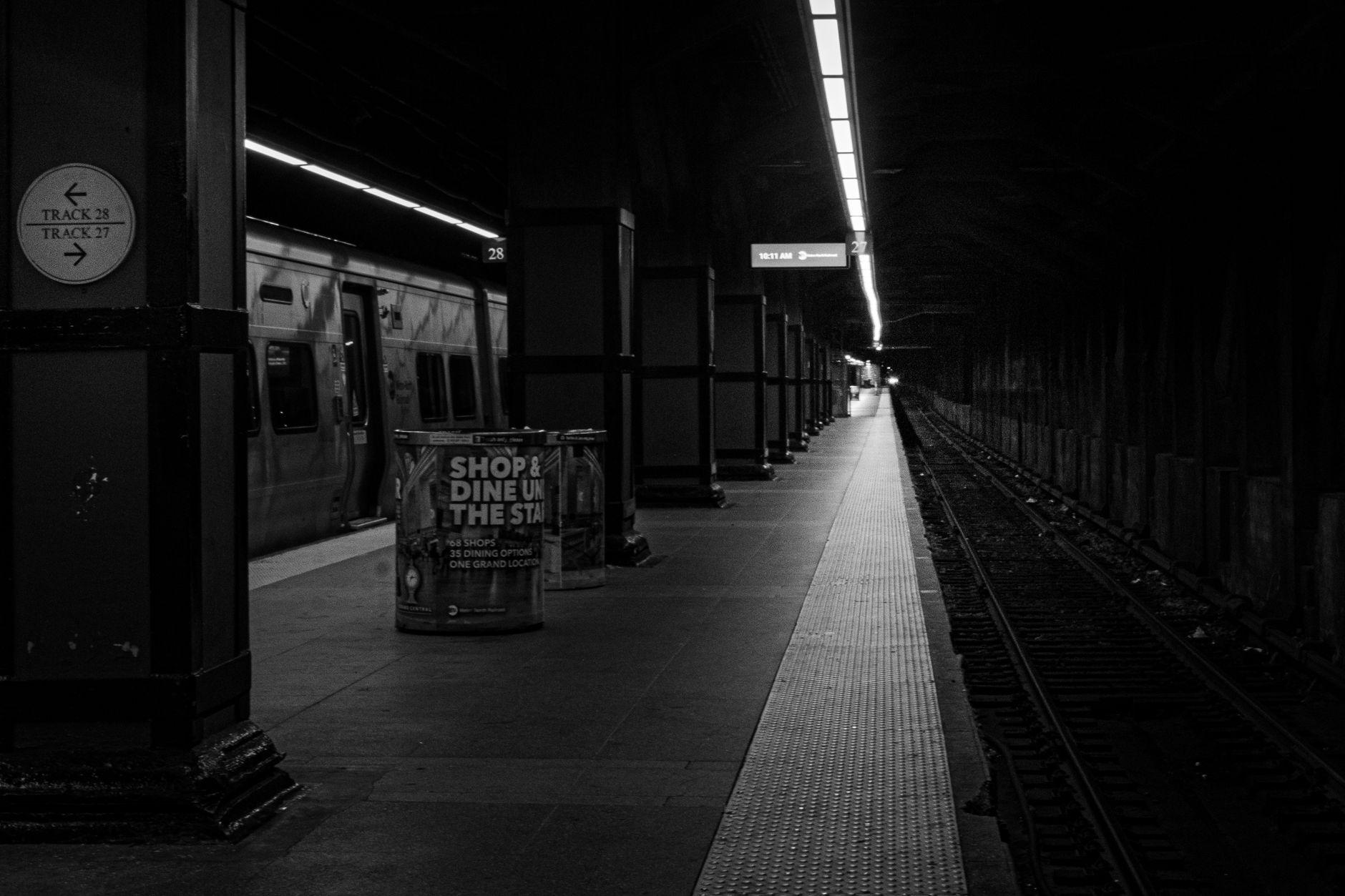
On windless nights the last cabins of the Kuzuha-Ohira ropeway run long, and the riders step down short of the minutes it used.
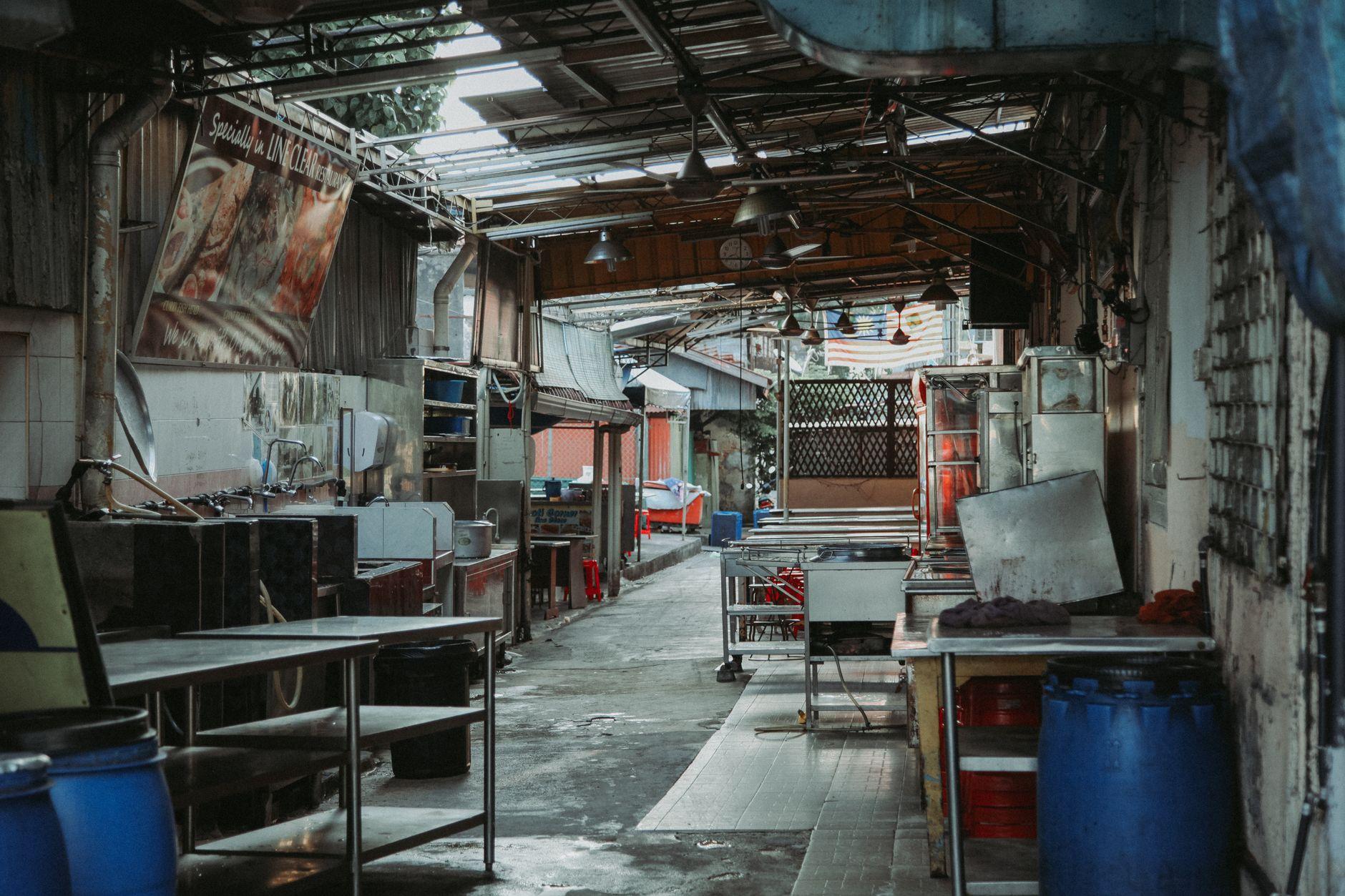
In our row, the parlour doors shut themselves, and you never opened both doors at once. When we knocked through for the light, I learned what the doors were answering.

Every call on the claims floor is recorded for quality purposes. A transcript that runs longer than its audio holds a sentence somebody really said – just not on that call.

Every loaded lorry that leaves Skellfoot at night weighs fourteen kilos more than the silos charged it. The bridge is certified accurate. So was the one before it, in 1953.
Something gathered us along with the four hundred, bedded us in the flock’s warmth, and turned Michael back every time he ran for the track. Everything it did that night was good shepherding.
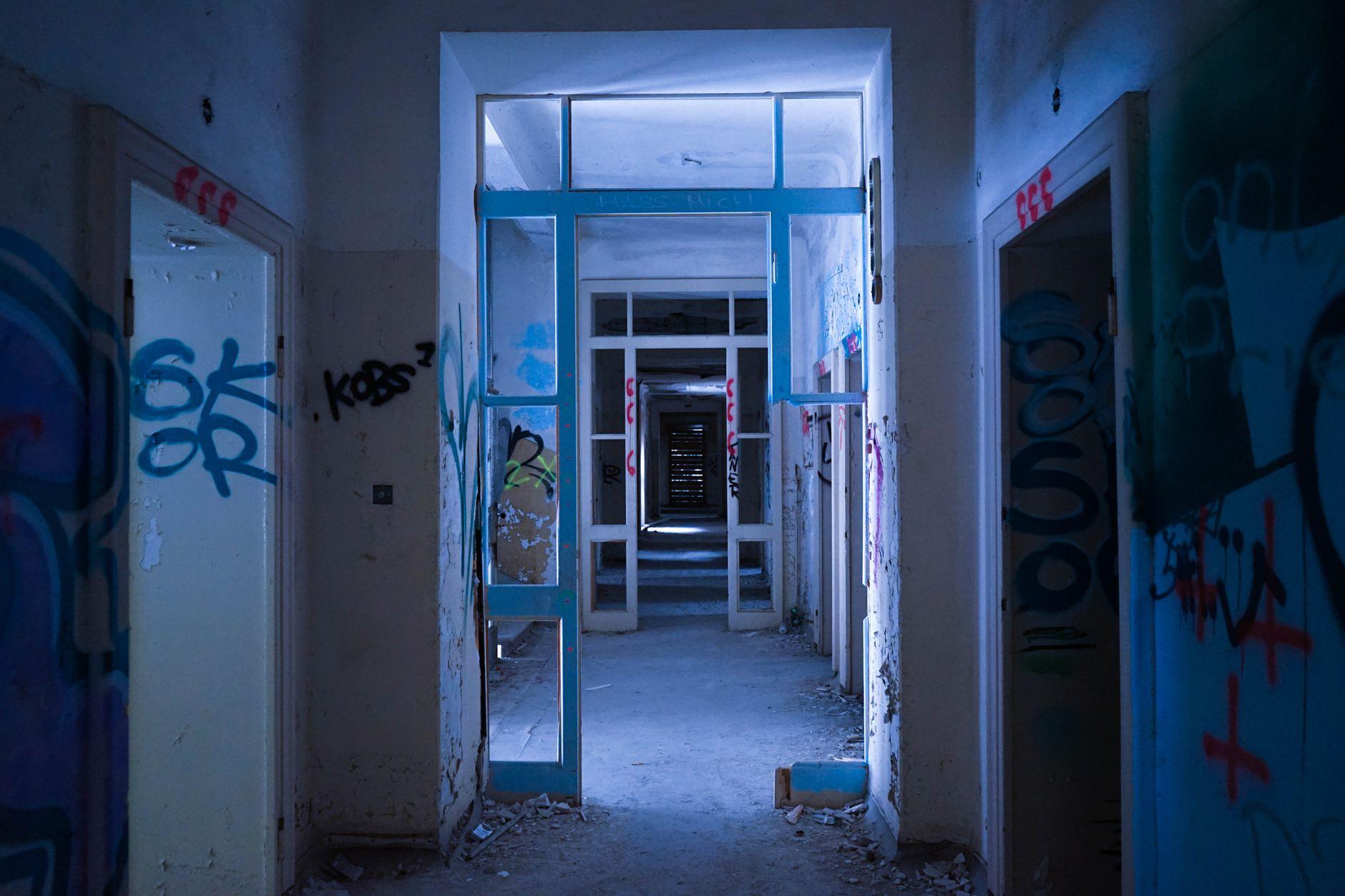
The old boundary of Low March only holds while somebody walks it, heel to toe, once a year. The new clerk fixed the paperwork instead.
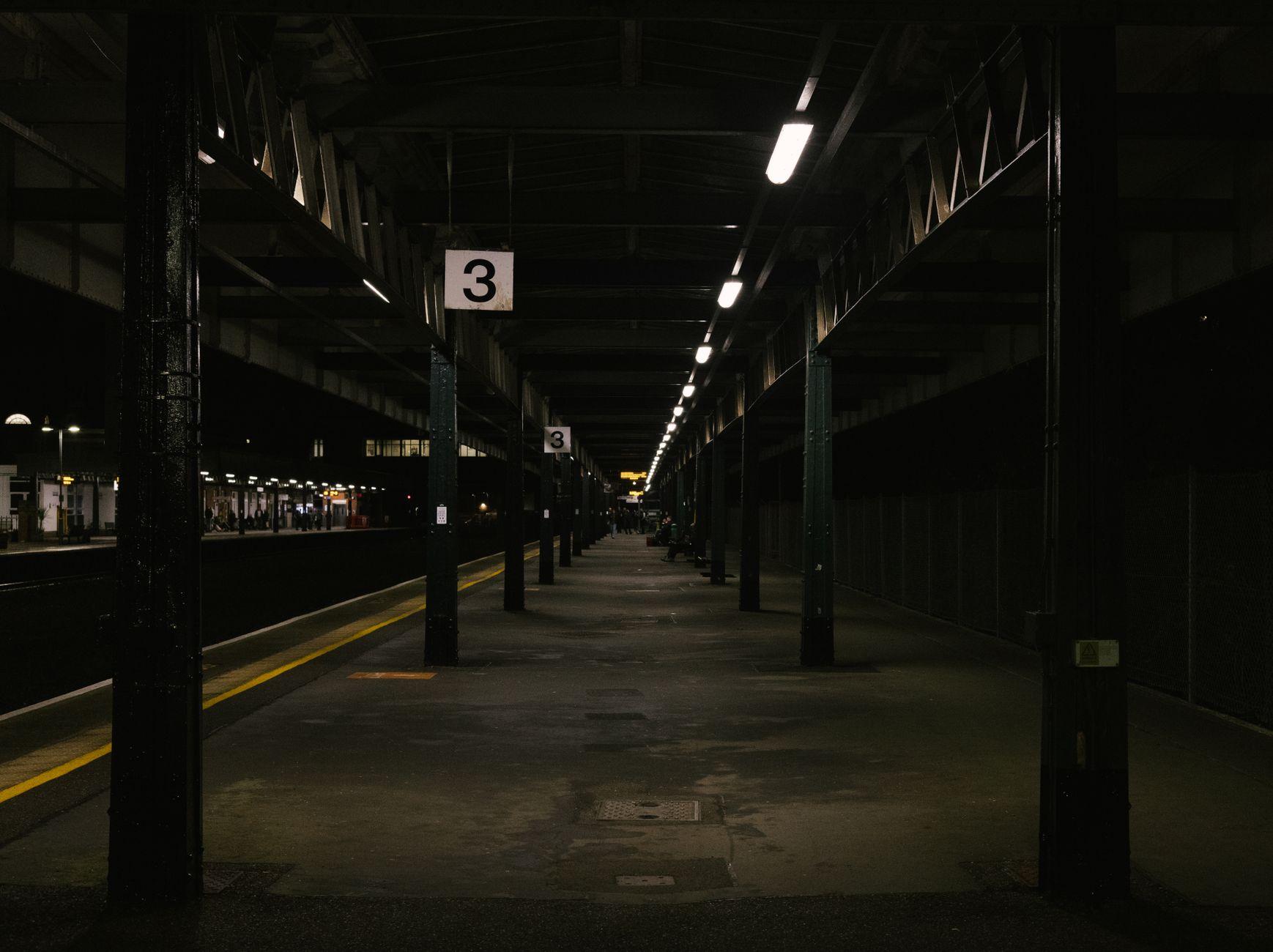
The night shift at a parcel depot has a rule: check the van for damage you didn’t do, because the bypass runs a tab — whatever tonight’s run does to the van is already on it at sign-out.

New tales are added regularly. Follow us and never miss a story.