
SCARY STORIES
The Day-Book
A contract fencer takes a cash job in a single-road dale where unused wire must sleep outside the valley each dusk. His kit goes missing one piece a night, newest first — and the shop day-book explains the arithmetic.
100 stories
A contract fencer takes a cash job in a single-road dale where unused wire must sleep outside the valley each dusk. His kit goes missing one piece a night, newest first — and the shop day-book explains the arithmetic.
The line appeared on his hand on Tuesday. The job it belongs to is scheduled for Friday, 03:12. At Crescent Chrome the mark comes in before the accident, and the mark is the dose.
Our kitchen lino was worn through in one place only. I fit kitchens for a living, and I still moved my wife’s standing spot to a new window — and the water moved with it.
A carrier that fell in 1974 comes back to the line at closing time, wet from the gully and heavier every week. The night I faked the tally to catch the last bus, her weight went onto the morning’s first car.

Hardship cases her capped fund cannot cover come back decided RELIEVED in violet ink – real, total, and addressed to a parish that no longer exists.
A contract combine operator cuts the corner strip a Fenland family has always left standing, and the field begins harvesting back.

The November audit at Fairmoor Depot fails by one pallet, the system refuses the correction, and the ledger in the locked drawer explains what the floor must hold.
One object a night, nothing ever appeared, and the price of a thing turned out to be the work it did. I was doing the most work in the house — until I wasn’t.
The bruise arrived on Tuesday, three days before the accident that caused it. On the coast road between Corstane and Sandside, consequences reach you before their causes – and refusing one only supplies what it is owed.
Every field map from Booth B carried the same missing wedge, at every age, in the same careful crosshatch. The clerk who stamped the licenses had one too.
In a drought year, every well on her round should read lower. The wet ones appeared in the order of her route, one new well each round, and the line of them pointed at a hole the state drilled in 1962 and never managed to fill.

At Tranter Marine, silence in a diver’s line is answered at full haul – a rescue sized for copper helmets and lead boots, kept by a man the lock took in 1962. Only the old five-minute rhythm holds it at human scale.

Whatever the grandmothers praised over the tablet began leaving the baby — the hair, the lungs, the crying. His father learned the family rule too late: nothing praised under a roof you keep is lost. It is kept.
After her grandfather’s death, a home-health aide comes back to sell the last two acres of the family farm. The stone walls still keep a roster of who counts as family — and a stranger named Wren is on the list now.
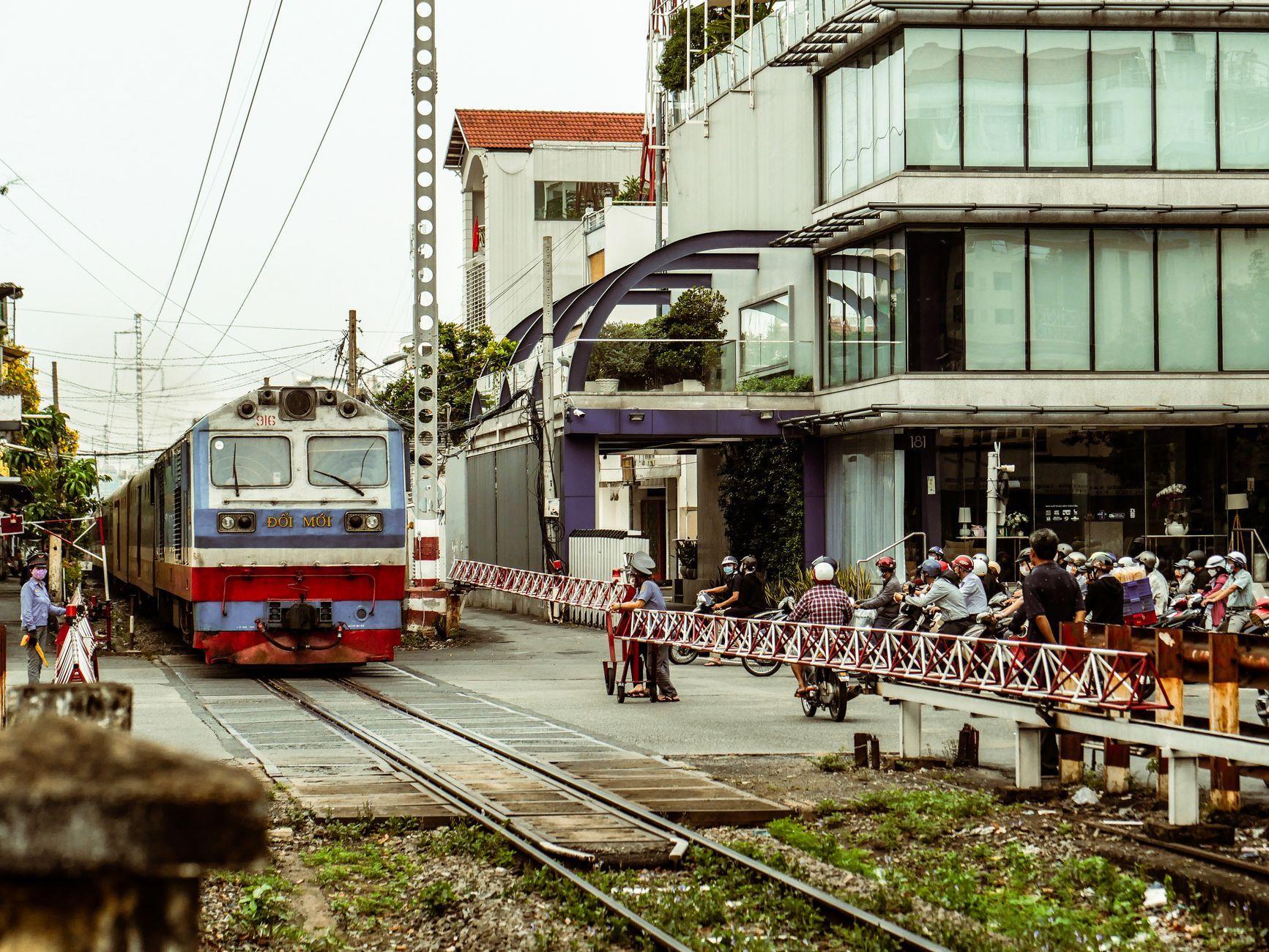
The ticket machine announced a stop that was never built, and the record said I served it — so I opened the doors. The man I set down at that wall is still standing there, and he is not the one who has been waiting longest.
Metrication comes to Marleigh in 1986, and the reference masses in the inspector’s sealed cabinet go missing one nest at a time — while every stamped scale in the borough drifts by exactly that much.

Every break made on his family’s farm arrives later, newest first, one per dawn that opens without a mend. His father’s diary has held the queue shut since 1947 — until the son stops paying.
For fourteen months the night shift ran on a second man everyone could see but me. The sheets said he maintained everything. The throw-arm said different.
A locksmith’s first rule: never leave an orphan in a door. I broke it on a Thursday night, and by morning somebody had finished my lock — with a key that wasn’t mine.
When snow closes the Ashcross tops, the stopped column of traffic couples and hauls itself over the pass. The locum who takes the winter nights learns the handover rule – and what the road does to whatever stands on it at closing time.

A district registrar clears the marriage backlog with same-day licences, and on fair days, at the closing cry of the old market bell, the unproclaimed spouses start to go.
Matched things began leaving the transmitter hall one half at a time. By the time I understood the rule, I had already given my seat away.
A night nurse dates a burn on her arm as days old on skin that was clear yesterday. In her house, every wound arrives before its accident – and the intervals keep shortening.
On windless nights the last cabins of the Kuzuha-Ohira ropeway run long, and the riders step down short of the minutes it used.
Something gathered us along with the four hundred, bedded us in the flock’s warmth, and turned Michael back every time he ran for the track. Everything it did that night was good shepherding.

The safest job the company ever ran started failing at height the week it topped out without its tree.

Every visit logged on the minute, every pill pressed out, nobody there. She cancelled the agency to save the house — and the care kept every appointment.
One address a week goes out of the dale round — the mail turns blank first, then the book, then the farm. A temporary driver with one undelivered letter does the arithmetic wrong, twice.
At the county complaints counter, the resolutions are filed before the complaints. The ledger balances either way.
The gaps started small: ten minutes on the bank, a log entry in my own handwriting. Then a whole weekend went missing, and the man who could account for my time moved into my life.
The freezer count has run one pallet short for thirty years. The rule is to write what the manifest says. The night before the audit, I wrote what I counted.
Our rented cottage was the warmest house on the row, and my wife loved it for that. I’m a gas engineer. I should have asked what was paying for the warmth.
The new telematics box flagged every frost night the old driver left the Slape Edge stretch untreated. Fixing the record meant treating the road. The road had been left asleep for a reason.

Account 0031 has read zero since 1984. A zero-read is not an empty building. It’s an open tab.

The ground keeps the township’s fencing at one unchanging total. Every rod she mends comes off the oldest fence left standing.
Every injury in the plant’s red book is dated before its incident. The bigger the debt, the earlier it lands — and Aldo’s line from 1989 still has no date.
The towels were folded in halves, the seams were sewn at eighteen stitches to the inch, and the calendar filled with my own handwriting — neater, and dated further into the future than any week I had planned.
The rulebook said to hold the gates nine minutes after a white tail lamp, for any traffic or none. The road was to be considered not yet dry.
The county hired me to reconcile the paper with the index. I didn’t ask, at first, which of the two the world would have to agree with.

The client paid for 100% clearance and the satellite checked every Tuesday. Nobody had told the auditors what the last corner was for.

The count came out one short every night, and the trick was to keep it that way. A night-shift story about what the records hold and what the floor holds.

A lettings photographer two payments behind learns the bank’s valuer will inspect on the 14th. The same week, the doormat disappears from a swept step — and the house begins presenting itself for a listing nobody has taken.

The house took, one piece at a time, whatever you had decided to carry out of it. Dana counts her savings toward a January program in Buffalo and learns the family law the hard way: the only crossing the toll can’t touch is the one you make with empty hands.
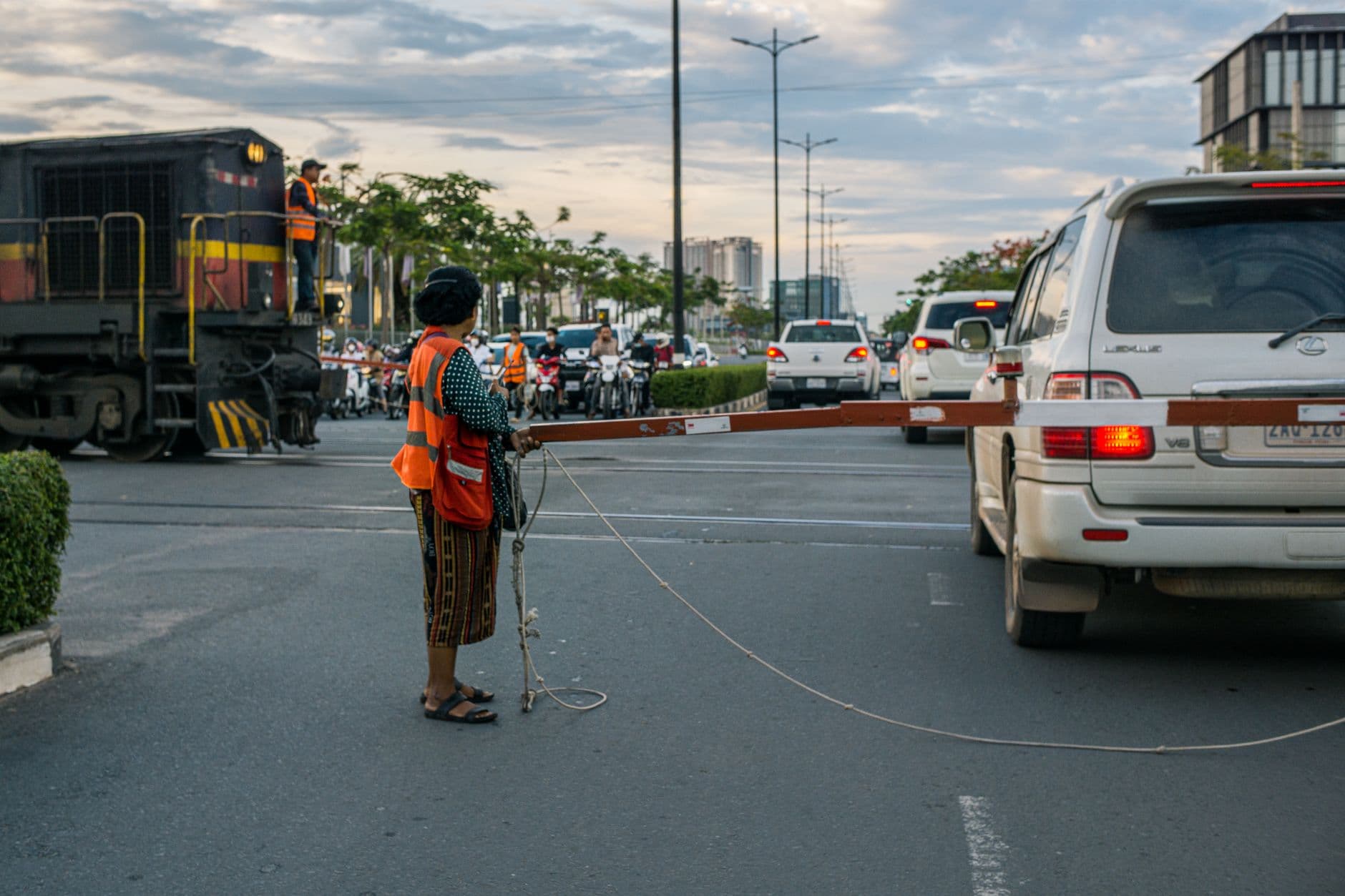
On the last down service the bell rang before it was sent, the bruise arrived before the hand, and the guard’s book was written through to a stop nobody had made.
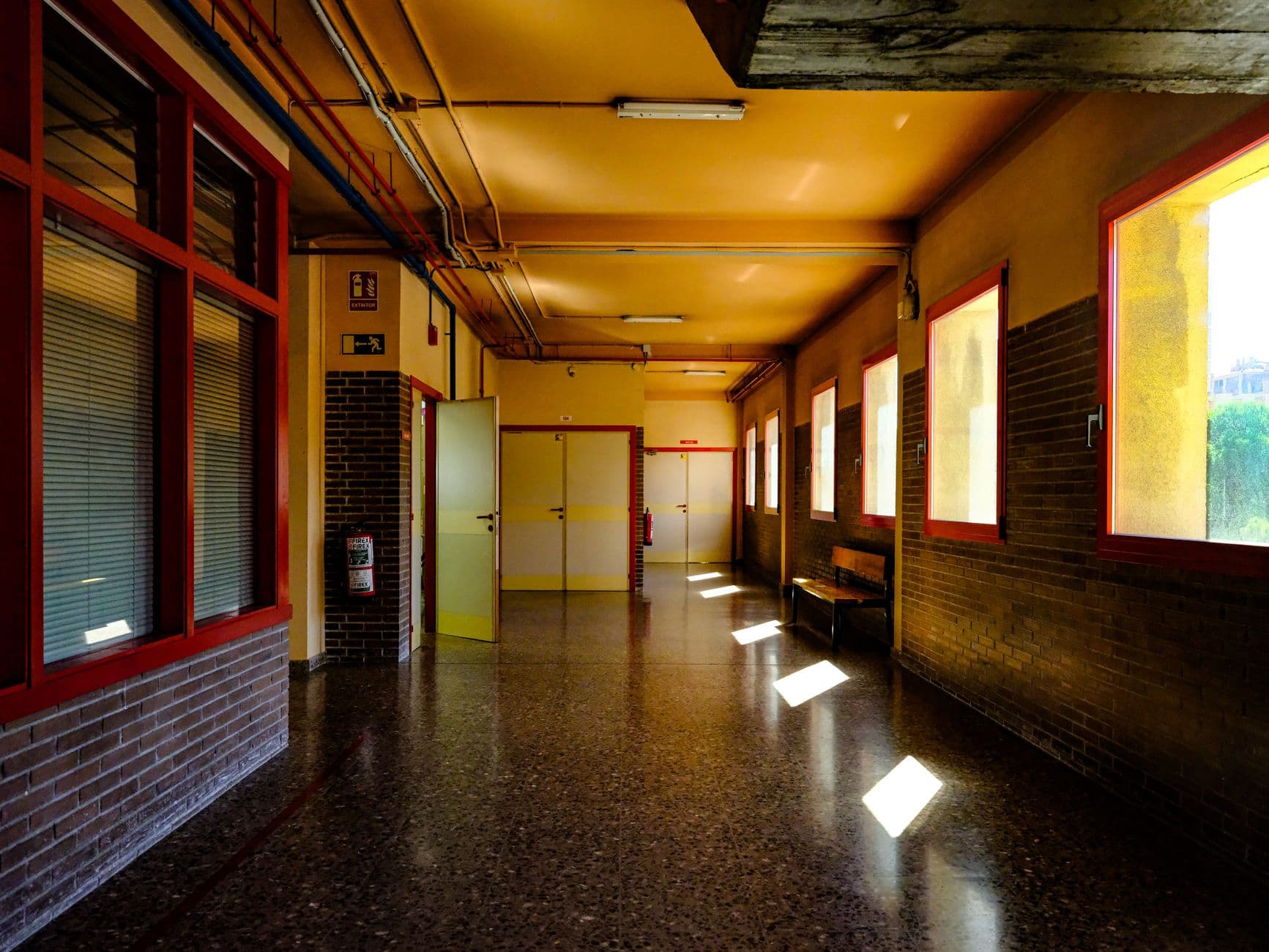
A student working the night counter of a city records annex learns that the brass delivery slot has two ends, and that the counter log decides who holds the post.
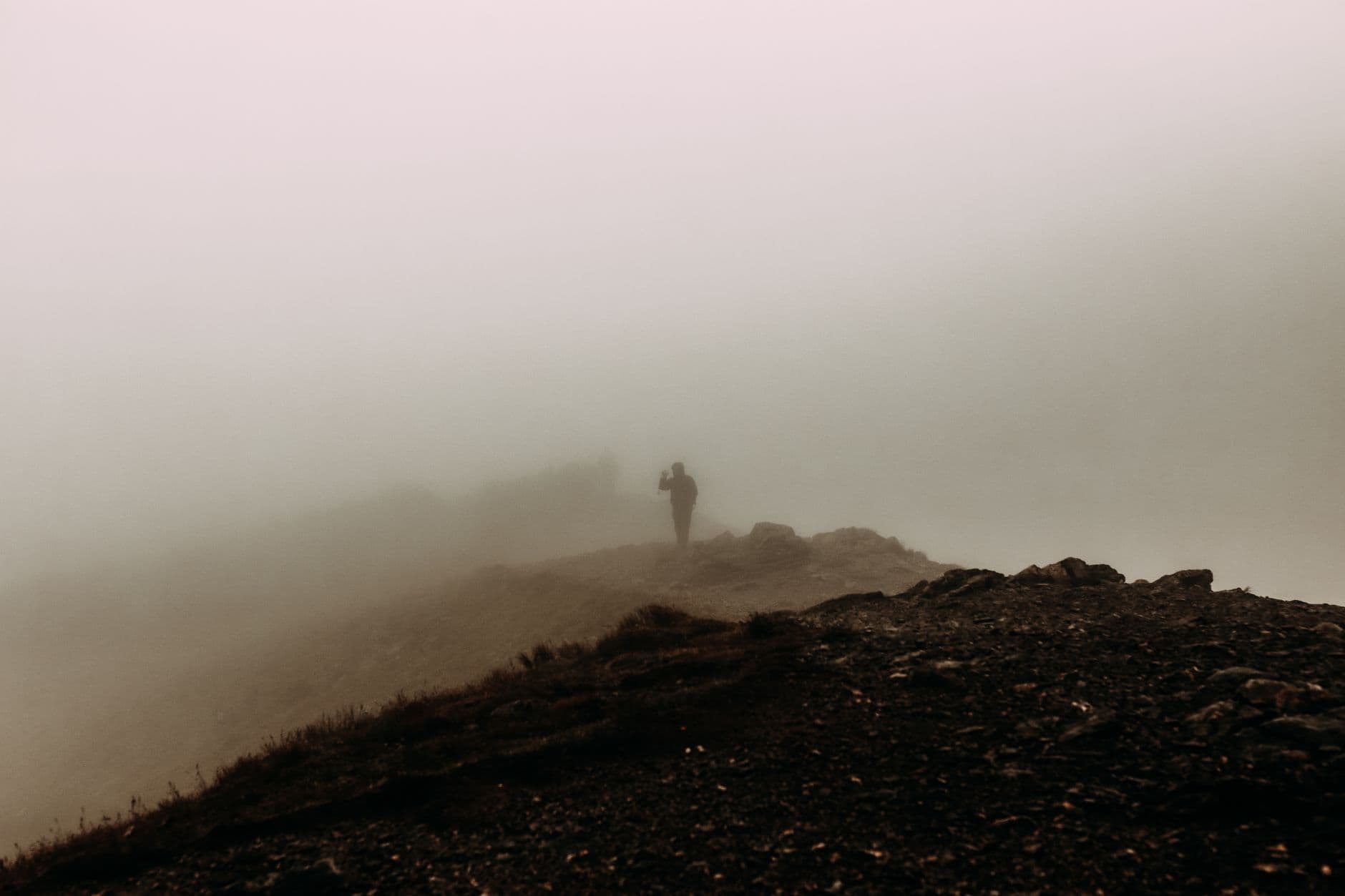
The manual said to ring the gatehouse bell once and count ten before crossing the spillway by night. Nobody at the water company could say why — until the night the bell came down.

The Corlis elevator hadn’t hurt a man since 1987. The night crew knew why, and it wasn’t the sign on the stair.
Never tighten the third step. A fall-prevention aide silences her grandmother’s stair ahead of a re-inspection, and the house starts collecting what it is owed from the family instead.
For eleven months my job was to make paths stop existing. The paths stayed where they had always been; it was the rescue that left with the record.
A county space review, a deaccession schedule, and the last complete record of a town’s proof. After the crates leave, the counts stop agreeing — and the missing years start arriving at the desk as faces.

On Harkness Marsh a shot is never finished when it is fired. It falls one tide later, on whoever stands where the gun stood.
One word flips in a stenographer’s realtime feed. Once the page is certified, every ear that touches the record remembers the certified version — including the hand that wrote the true one.

A county digitisation programme destroys the originals and certifies the copies true. One scanning officer keeps a tally of what changes.
In April 1981 a barrier guard waved me through with my wife’s suitcase, and for the next forty years no door opened for me unless somebody else opened it first.
Three weeks qualified, I wrote ‘satisfactory’ in the box marked flue so my sister’s family could keep the heating on. Then the meter started counting more heat than the gas could pay for, and my brother-in-law began settling the difference in his sleep.
On ice nights the duty board at Whinmoor carried three spray lines. The airport owned two trucks. The third worked for nothing — and heat, like everything else, has to come from somewhere.
Every gather came off the hill one short, always by the ewe I knew best, and the only number that never changed was the one in my father’s head.
A county counter rule stamps a widow’s final payment one day late. Every correct thing the clerk does afterward makes the house easier to sell.
The last train’s inspector never forgot a regular. He remembered my grandmother at a halt closed sixty years ago — and one night he decided I was her.
A swim teacher who counts breath for a living moves into her husband’s family terrace, where the vented air swells four to the minute and everyone breathes in time with it — including a grandmother who should have stopped nine years ago.
At FerroCold Depot 3, the damage ledger lists every dent and break at the start of the shift — hours before anyone causes it. New hires learn not to argue with the board. The narrator should have asked what a card means when it reads PERSONNEL.

The patching specs were written backwards, and the cracks moved one lamp closer to town each night. Nobody in Skellow was keeping a secret; each was keeping their own.
After the parish complained about a crossing that closed for trains that weren’t there, the operator shipped a fix. Then the radar began insisting on a train that wasn’t there, every night at 03:12, and the man paid to close the alarms stopped looking.
A night-shift machinist married into his wife’s house learns the rule of the kitchen: any difference he names out loud is corrected overnight, and two memories outvote one.
A relief flyman holds a dark theatre alone through the summer, and the painted cloth dogged at full out on line 14 settles a finger’s width every night while its empty arbor gains one cast-iron brick.

A daughter who has been her Ukrainian mother’s interpreter since childhood makes two small kind choices at the county counter — and the register that defines family stops hearing her name.
One item a night went missing from bins only he had ever counted, and the store’s counts kept coming back cleaner. By the time the list reached his first day, there was nothing left of him to count.

The search followed its handbook downhill, toward water. The one building on the hill was logged unenterable. The handbook is right often enough to be dangerous.
During the LED conversion, an electrician finds sodium lamps burning at addresses no cable serves — each standing over a private grief, each an answer from a ledger kept since 1897.
A hospital porter back on the commute after hip surgery finds the morning crowd still climbing a stair that was struck out in orange pencil in 1994 — and her new hip has never felt better.
In our house, the repair always arrived the morning before the break.
The night shift at Skellhaven Canning always finishes exactly one can over. The temp who counts them learns what the difference is made of — and what everyone on the line has already paid to keep it quiet.
A temp clerk reconciling duplicate records learns what his signature is for: it changes no outcome, it only proves a person decided.
Each pass certificate the examiner signs teaches a stranger the demolished lane he grew up on, and erases that same stretch from his own memory. A corrupted signature makes the copies dangerous in the water, so he goes back to signing true, spending the road one licence at a time.
Every house has big doors for people and little doors for things. We restored the wrong one — and then, for one photograph, we passed our daughter through it.
A temp clerk at the Garrow water department zeroes out an unexplainable loss by shutting off a dead woman’s supply. The exception moves to his own meter.
A night driver keeps taking a 02:20 fare to an address the council deleted with the bypass — and pays for every trip in the only currency a road has left: distance.
A personal lock on a jammed blender, a badge report that said its owner had gone home, and a red binder with a step for everything. Every step checked out.
The night I unplugged my mother’s keeping lamp, my father knocked at four in the morning — lake-cold, thirty-four years old, asking for Ruth.
The county’s oldest ledger gains ninety grams after every burial in the pauper field, and the temp who counts it can feel the difference in her spine.
Ninety minutes of driving for sixty minutes of road. The night I arrived nineteen minutes early, the bundle was already inside — signed for in my own hand, the ink still wet.

Ruth left in March and nobody reported it — the mortgage, the pensions, a promise. The milk order stayed at four pints anyway, and by autumn something upstairs had started answering for her.
The county’s records conversion has one rule nobody wrote down: what gets keyed becomes true, and the book always takes its balance.
On the last train down the Ashcombe branch, a relief guard confiscates a ticket printed in 1962 — and learns that a ticket is a live promise the railway must still keep.

Our water charge said three occupants. There were two of us. The housing office had fourteen years of paperwork proving otherwise — every declaration signed in my hand.
For twenty years the ten-past-ten check asked if Lighting Nine was both accounted for, and Col always answered. One February night, I answered for both of us.
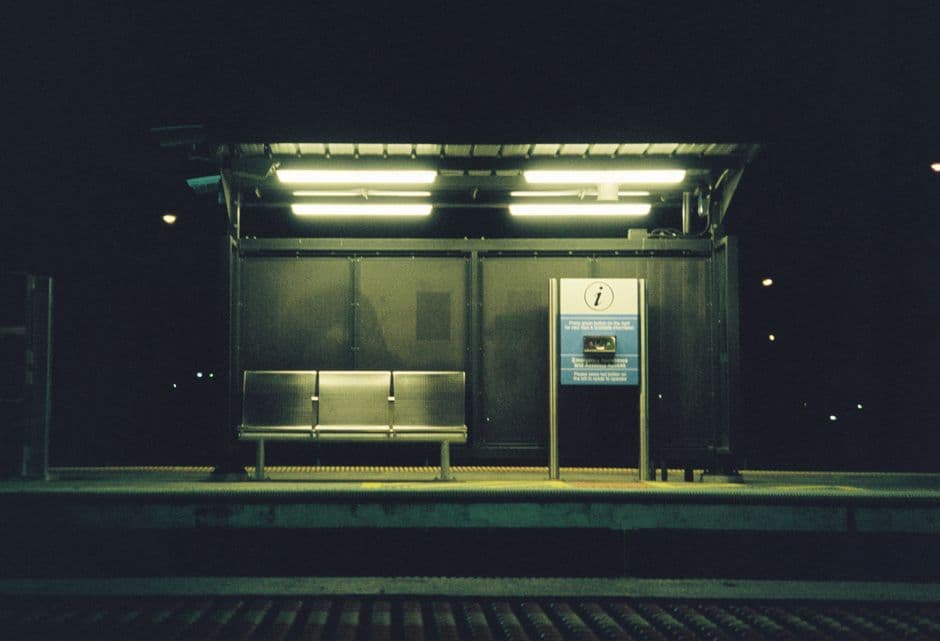
The vending machine at Akagane station was gone — not removed, never-there — and only the last passenger on the last train could remember it.
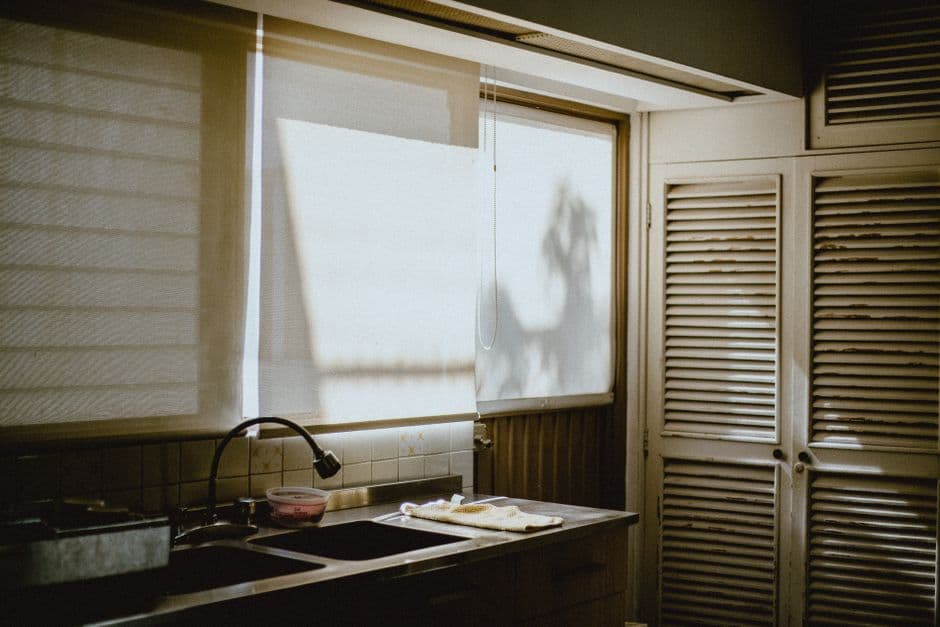
My mother reported a polite boy at the kitchen window, four in the morning. We treated it as sundowning. Her notebook said otherwise.
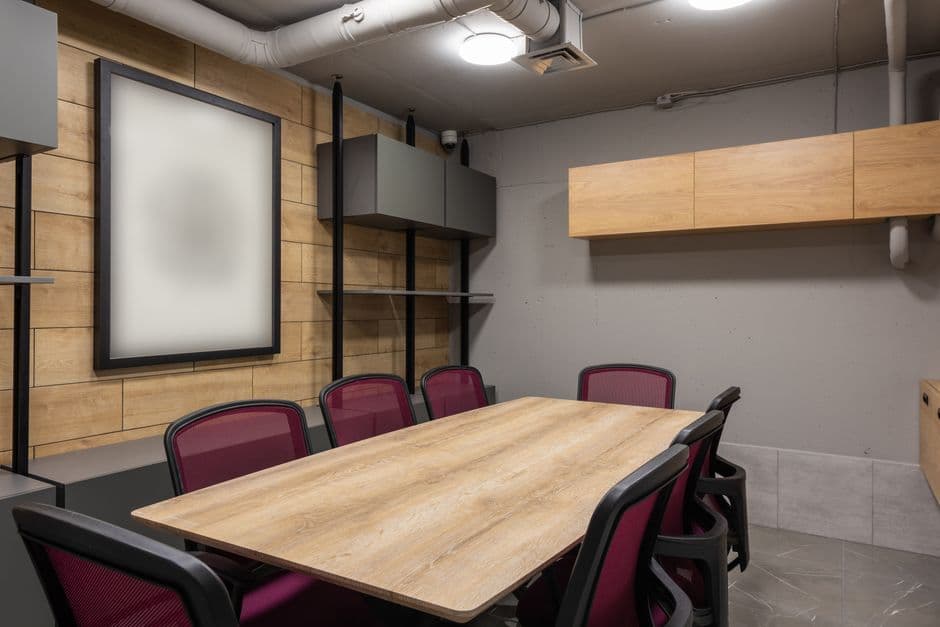
Torn garments left on the night rail at Carhill Workwear come back mended by morning — no charge, no ticket, no seamstress on payroll. My clock number is in the repair book now, and the entry is still open.

A retired swimming coach counts every stroke of her rehab laps across Varlow Reservoir. One October morning, the lap comes out one stroke long.
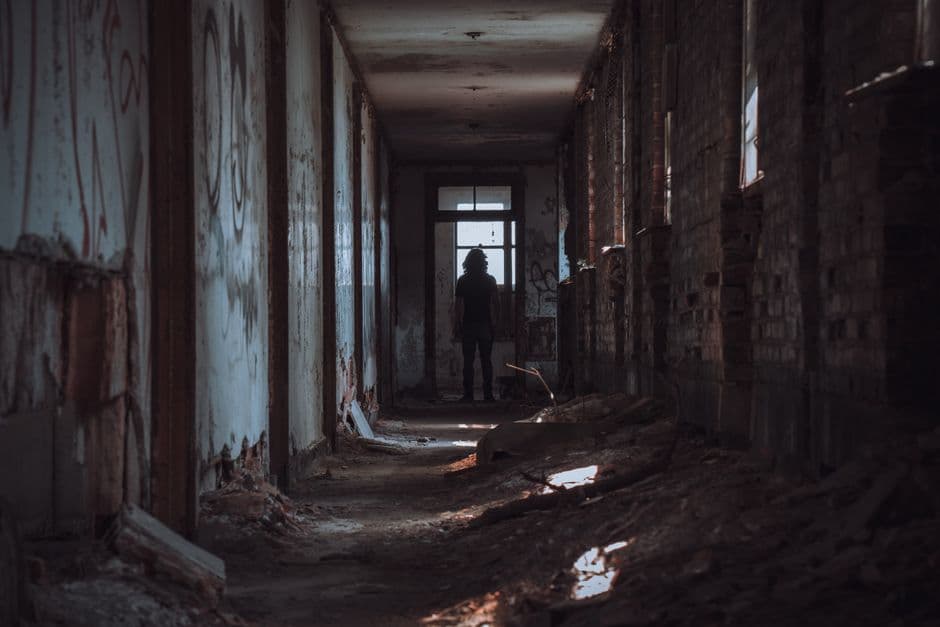
The certificates started arriving dated ahead of their applications. The county was being answered before it asked — and whatever the office has answered keeps its answer.
The state inspector called it the cleanest paperwork in the county. Nobody ordered anything — the lab just learned what we wanted, and now every instrument in Bracker agrees.

Checking the high seats before stalking season, a young gamekeeper starts losing quarter-hours — and receiving back sights that were never his to remember.
At Draymouth’s listed counter, spoken particulars must pass the brass grille in the glass. The register keeps what crosses — not what was said.
Every night, Route 9 came home with miles the road could not account for. The company had a procedure for that.
A caretaker closing an end-of-pier theatre for the last time inherits three lockup rules — and learns why the third one exists.

The parcel ledgers of a dying mill town come up short a few entries a week, and the only record that disagrees is a temp clerk’s drugstore notebook. Then the 1996 folder opens.
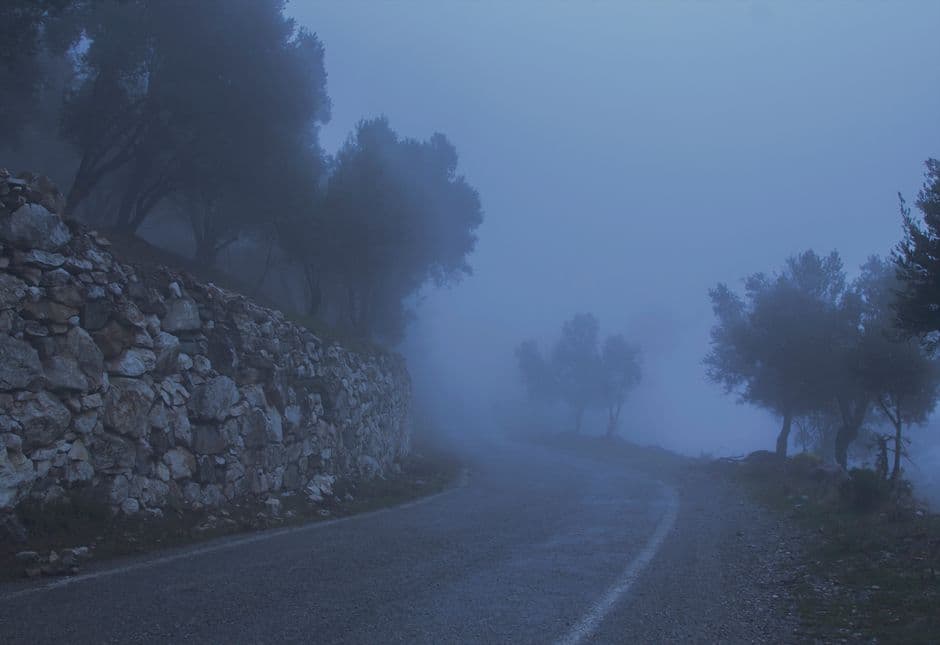
You stop for anyone standing at a pole after dark. It doesn’t say the pole has to still be in service.
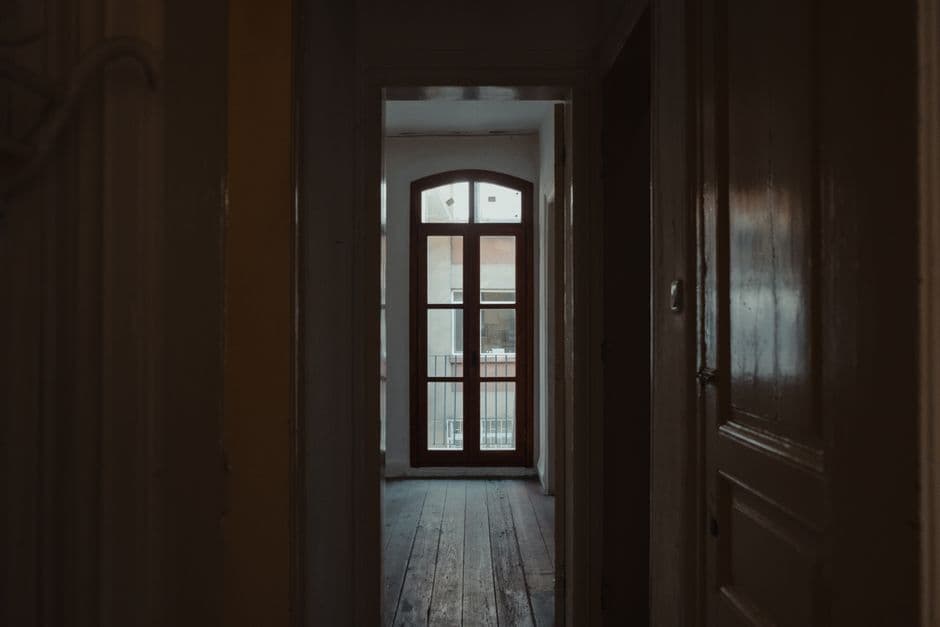
The night the horse chestnut came through the ceiling, the house had already moved us out of that room. It has not been wrong since. My son sleeps twelve hours a night, and we no longer sleep in our beds.

New tales are added regularly. Follow us and never miss a story.