
FOLKLORE
Twelve of Twelve
The governance review retires an almshouse’s quarterly calling of the roll. The welfare calls still log as answered — in dwellings that hold nobody.
75 stories
The governance review retires an almshouse’s quarterly calling of the roll. The welfare calls still log as answered — in dwellings that hold nobody.

A retired river gauger buys three wet acres at the edge of Tarluck and asks who floods them every night. Everyone in the village has a reason not to say.
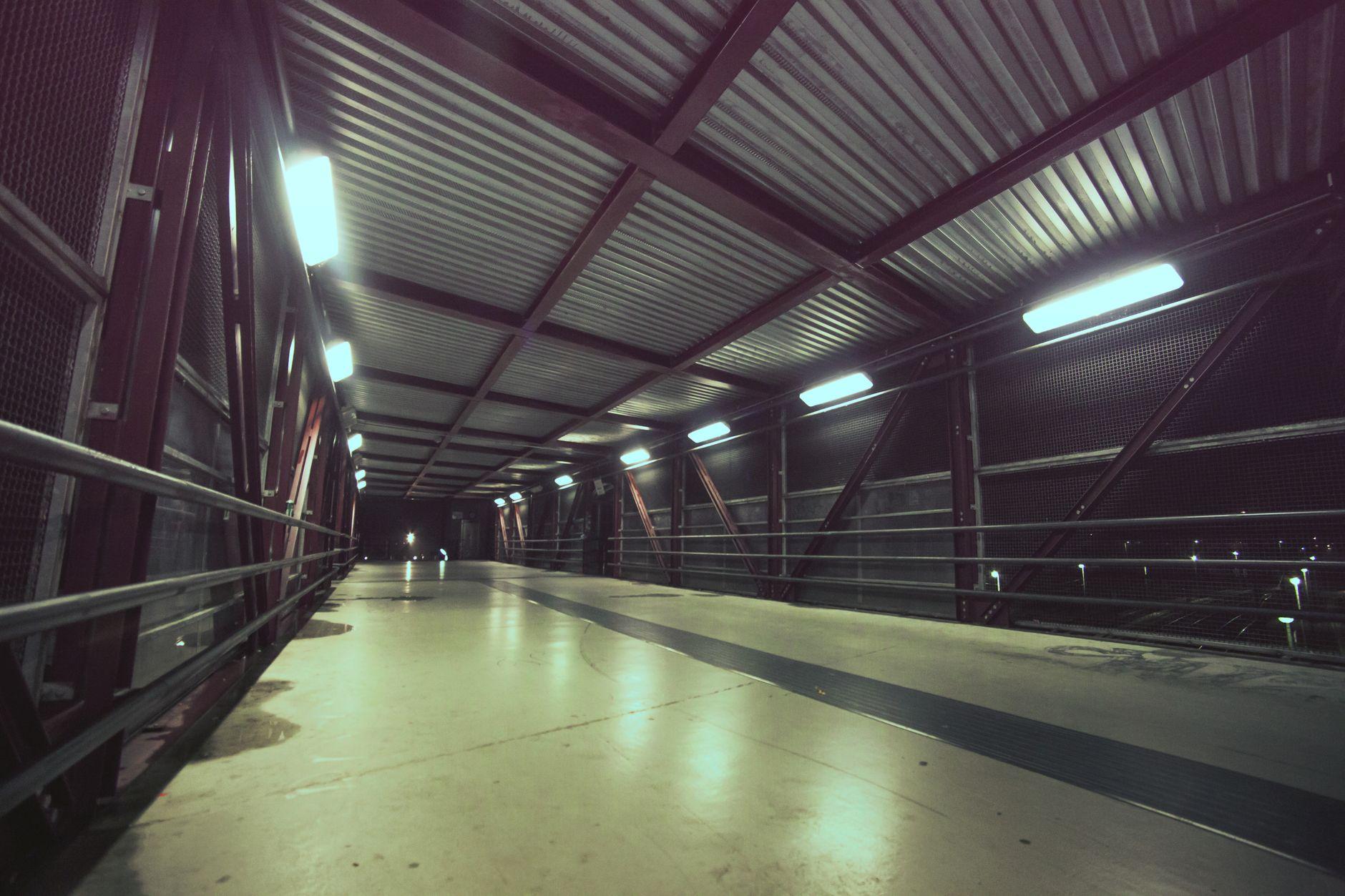
Everyone signs out; the last one out sets the light. When the fittings came out of the Tarnmouth Grand, the suspended 1918 season came back for the dates it was owed – and one seat in the circle had to be sat.
Behind the plaster of our stair wall: nine outgrown left shoes, a cracked jar, and a pencil tally of every child’s harm since 1898. The week the seal broke, the harms began coming back — one a night, newest first, onto our boy.
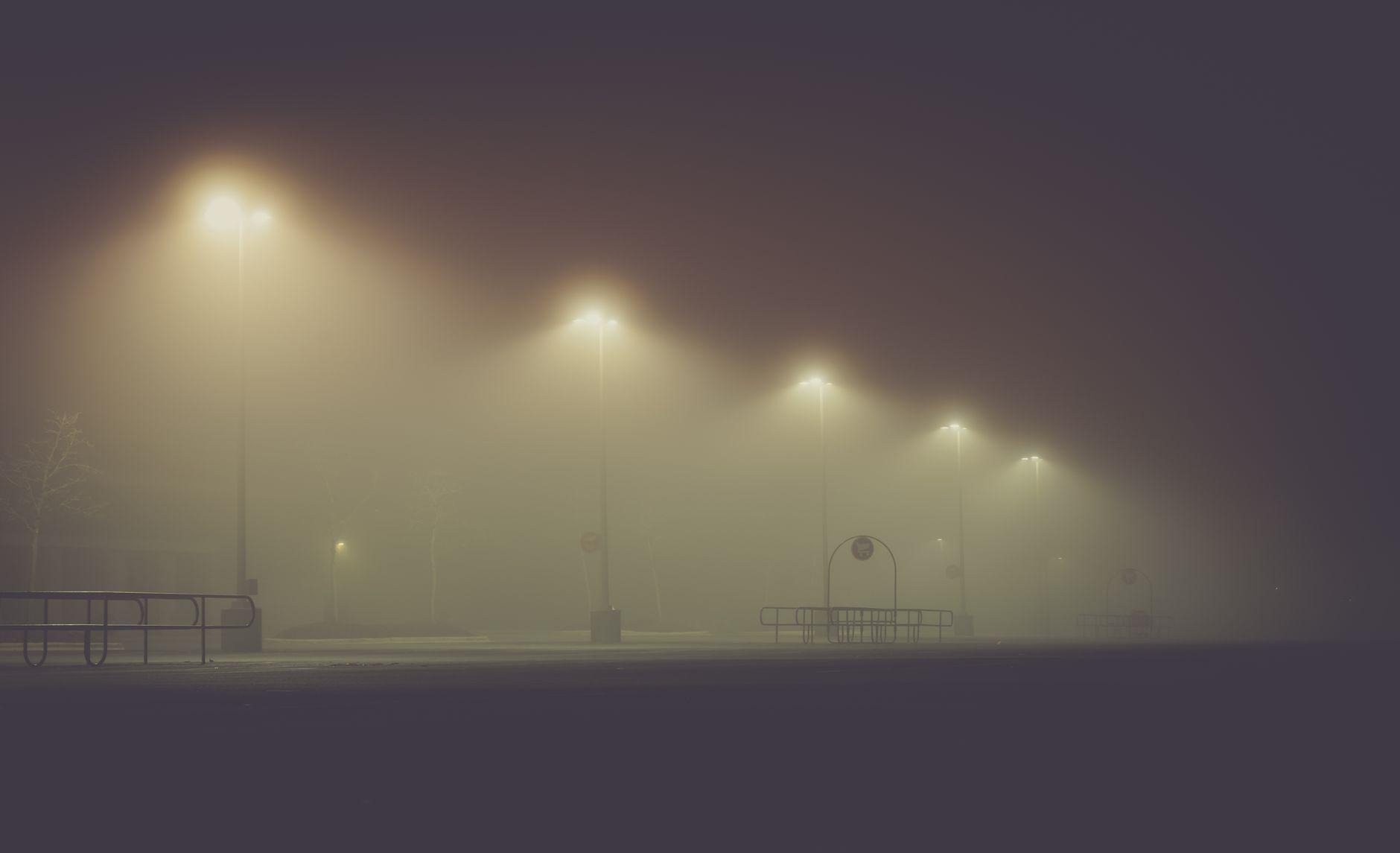
My grandmother’s will had one condition on the sale of her cottage: the cord goes over first. I walked the coffin road at dusk to be finished with it — and I hurried.

At the residents’ counter of a merged city, one ticket has read IN SERVICE since the day the system went live. My manager called it an error. The ledger in the archive room called it a promise.
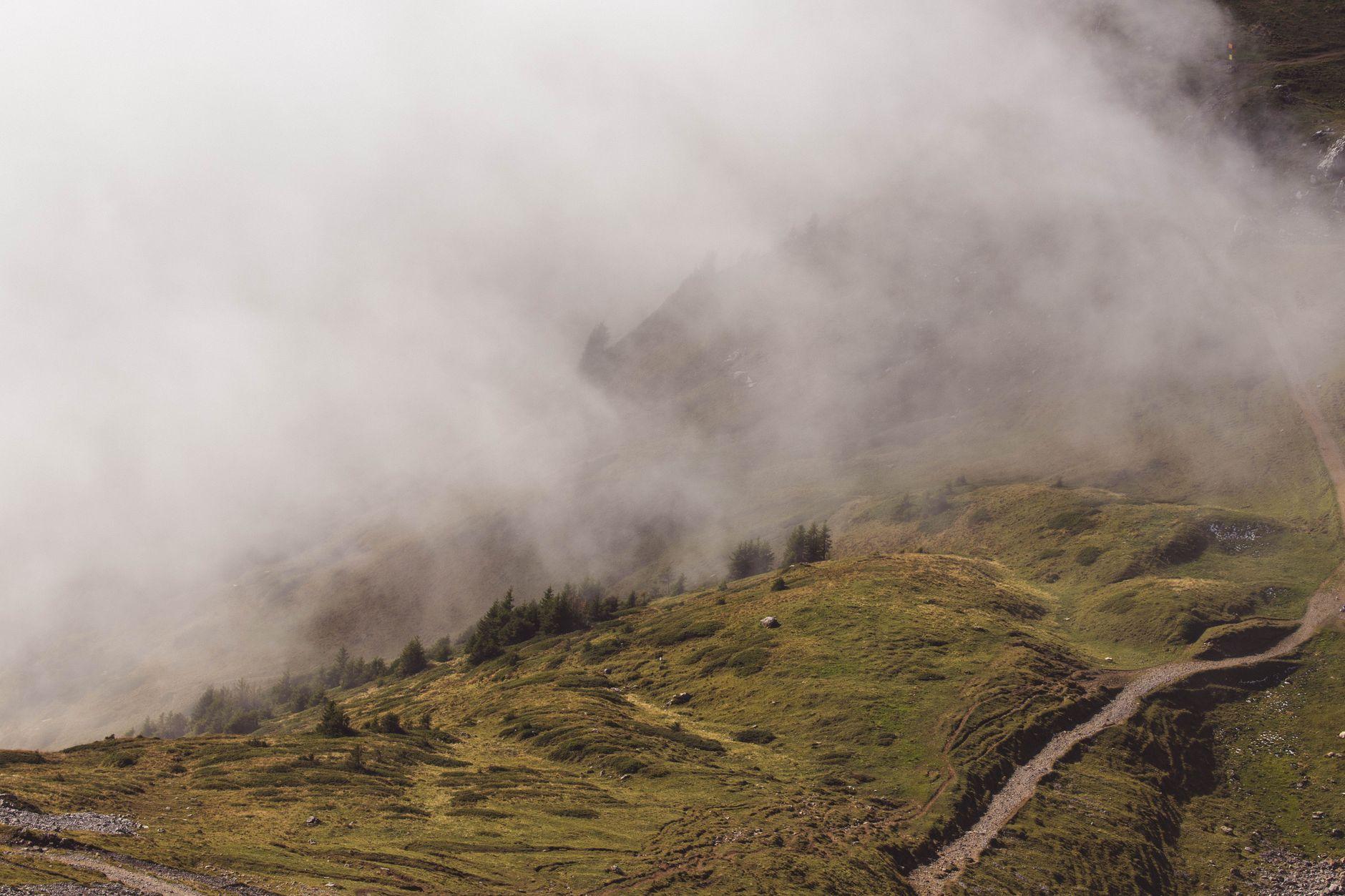
Two brothers farm opposite banks of one divided holding, held apart by the custom that the first seed of every field crosses the water. One wet April breaks it.

At Brackwray, first man down the incline gives the rail three knocks and waits for the roof to answer. Once means work. Twice means stand the men down – and it was never in the induction sheet.

You don’t say thank you in my family’s house. You say it suits us — and every winter the hallway gets a little shorter.
Every winter since 1852, the Colleys poured a pail of river water into the viaduct pier and checked that it came back through, warm. This year the mouths were sealed.
Three complaints from three streets about the same 3 a.m. brass is a file. The nuisance is not the music – it is the gaps in it, and the town’s oldest licence obliges somebody to fill them.

Every farm well in the valley sits where her grandfather’s hazel rod pulled. His one rule was never to dowse the same ground twice. Now she knows what the second asking is for.
Meridian deletes the last machine minder’s post and captures his knowledge into golden profiles. The presses of Tunnicliffe’s keep their side of an older arrangement: they only run for a name.

A son winds the clocks his mother stopped at his father’s death, and learns what winding is.

Her father’s fog rule had a first half she trusted and a second half he never said out loud. On the moor road, following a light is how you stop driving the road yourself.

Every year since 1742 the council has sat for one hour and minuted nothing. The temp digitising the burgh’s minute books went looking for what that hour holds.
Every farm on the lane kept one unploughed strip along the old parish boundary. Ruth needed clean lines for the sale. The nights before first frost taught her what the strip was for.
Six vats carry the orders at the Tokuda dyehouse. The seventh is fed every morning and never used. When the audit orders it emptied, a hired dyer learns what the keeping has cost so far, and what it will cost him.
Quarrels in my family’s house were walked off in pairs before sundown. Nine days unwalked, I did the arithmetic a house like that teaches you.

A council clerk closes the paper applications for coffin passage as invalid, and the doors on Church Way begin opening themselves at first light.

A compliance notice, a two-hundred-year-old ledger, and a rule nobody was ever meant to understand.
A payroll audit turns up Employee No. 4, paid weekly in kind since 1893 and known to everyone at the distillery. Cancel the line, and the angels’ share comes for the stock.
In our row, the parlour doors shut themselves, and you never opened both doors at once. When we knocked through for the light, I learned what the doors were answering.
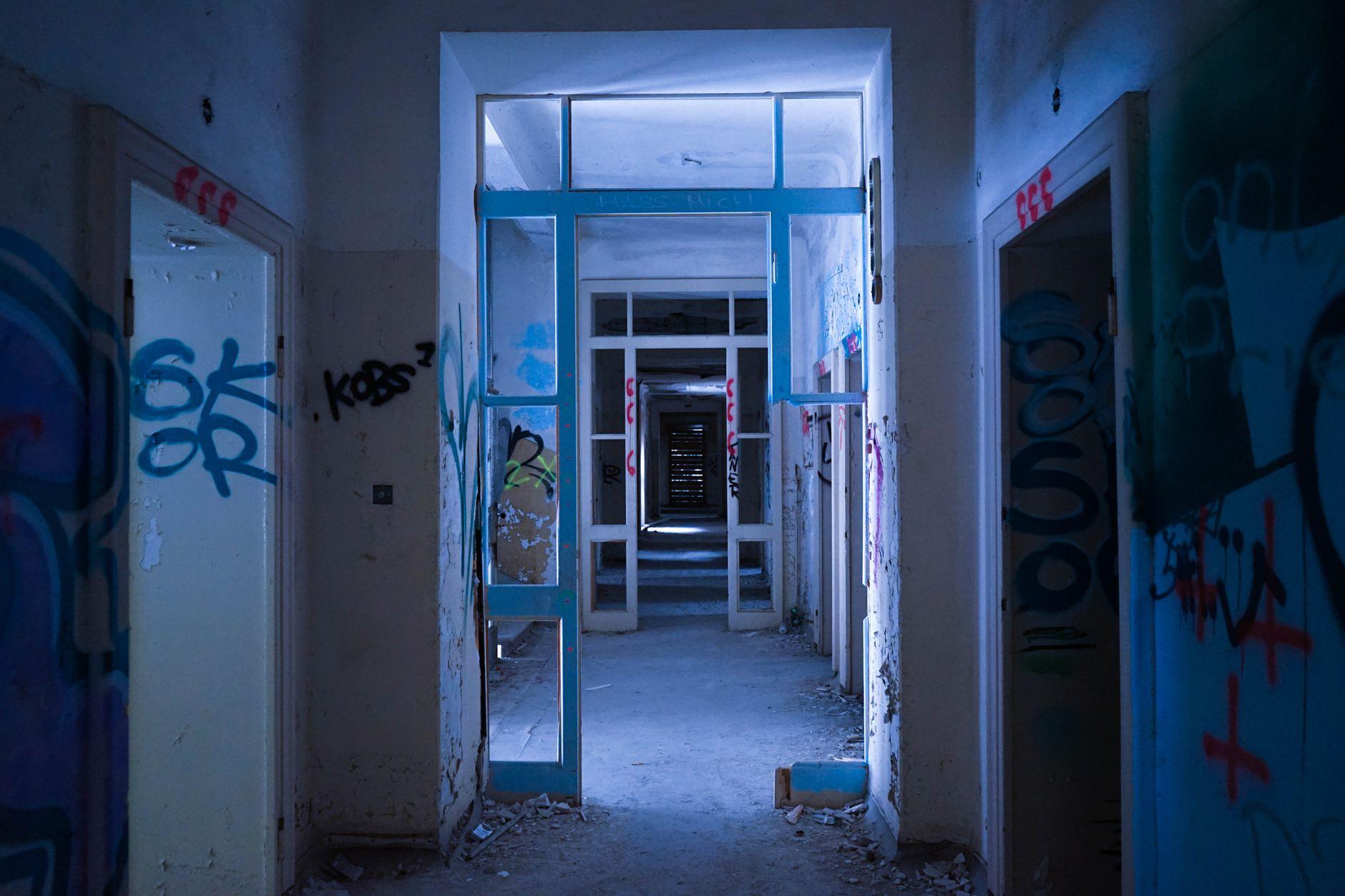
The old boundary of Low March only holds while somebody walks it, heel to toe, once a year. The new clerk fixed the paperwork instead.
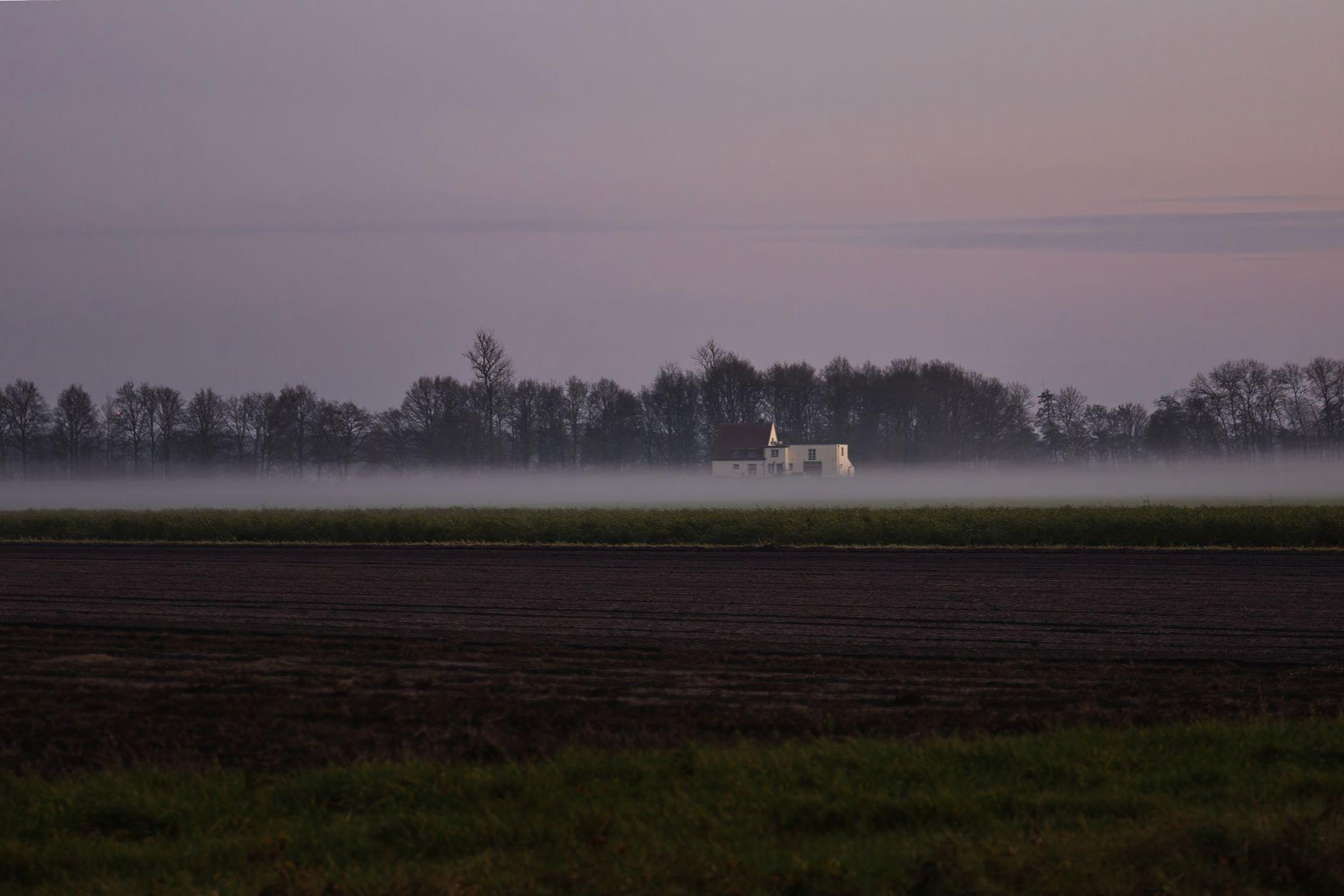
A geocache listing at the old clout well above Kirkmaire has six hundred signatures and no rags on the hawthorn — and the spring that feeds the strath is paying for every word.
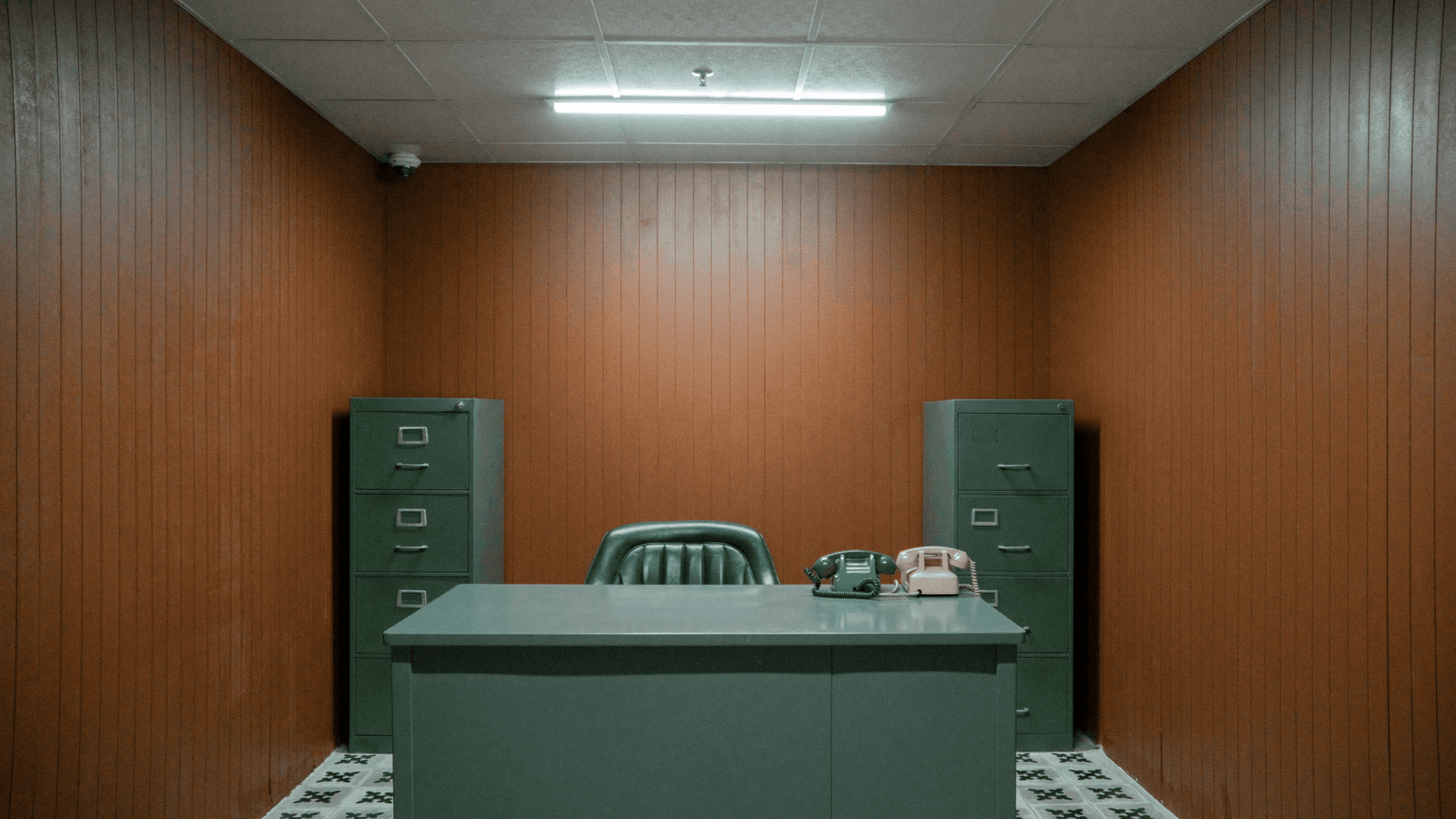
The first loaf of every night went on the loading-door sill, and nobody watched it go. One night I carried it to a sick man instead.
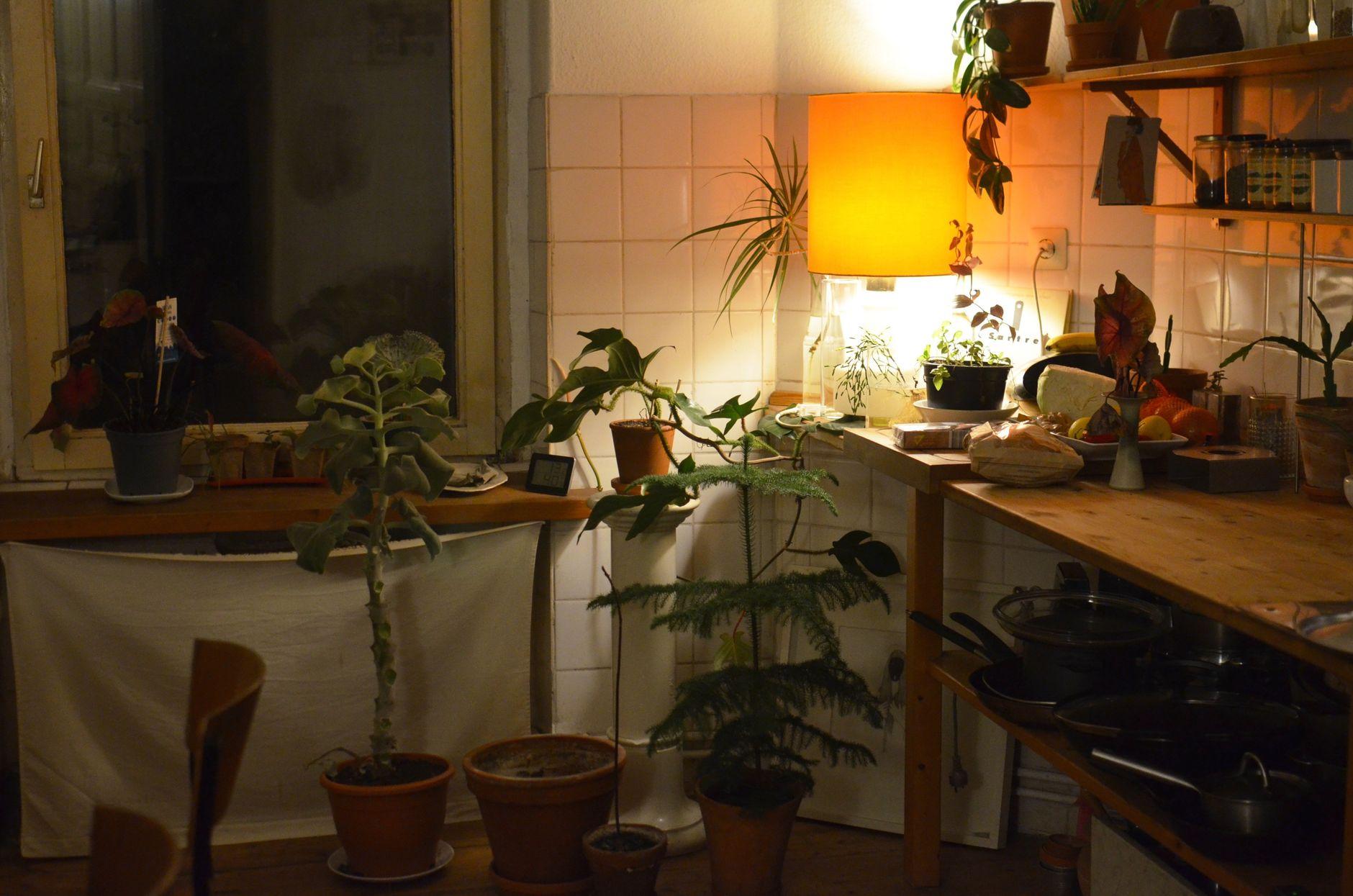
The last prefab on a demolished street came with rules nobody called rules: every set one member short, every job left unfinished. The executor had six weeks to sell it — and she did her job very well.
Every winter one house stakes a line of poles across the closed Kurosaka Pass so the villages can cross. This winter the count began to grow, and the line started walking back toward 1974.
The affirmation cards hadn’t been ordered, so I was sworn in on the book — and the old words were never a formality.
Every field my family ever cut, we cut around the last windrow. The deed said 193 acres. The survey said 184. The difference belongs to the neighbor.
Every rope from the Bracken walk was wound one hand short of its order, and ninety years of invoices swore no rope had ever parted under load. In my first winter there I learned what held the difference, and whose hands it was living in now.

After the funeral, the kitchen speaker answers in her mother’s voice. The family’s seventy-four-year rule about quiet houses is the only thing standing between the living and the assembled dead.
The new timetable saved thirty seconds a night. Nobody at the city office asked what those thirty seconds had been buying.

A county land registry keeps one rule from 1887: requests for the burned cadastral volume get three words. A digitization grant made me the reason the rule exists.

A claims assessor inherits her aunt’s cottage at the edge of Harlbeck, where the lane runs out at a hidden gate. She thanks the wrong household for forty years of quiet boons, and the bill arrives itemized.
The span cannot rise without a licensed acknowledgment. That is not folklore — that is the wiring. The problem is what counts as a passage.
An iron bed too short for any adult, a keeper’s ledger going back to 1902, and what it costs to keep the Fridays.
The rule was to shift your load at the middle stone of Harrow Bridge. I broke it once, on an icy morning, and the bridge started keeping books.
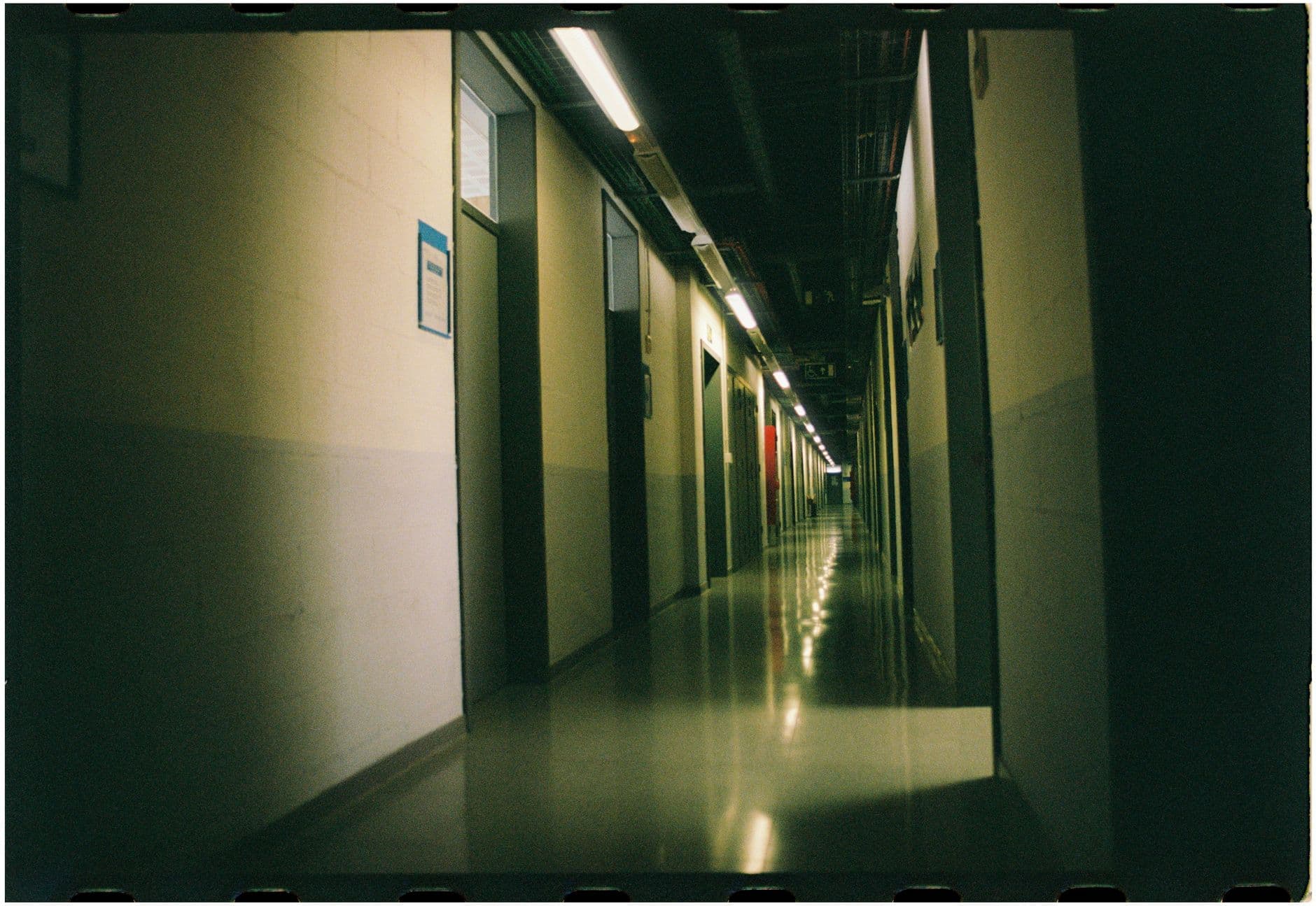
The town cut the supper, moved its notices online, and nine chairs stayed warm. The Dead Book still had a hundred and eighty-eight names, and somebody had to answer for them.

The first eel of the autumn run goes back over the boards — until a tired mother says go on then, and the river sends its bill.
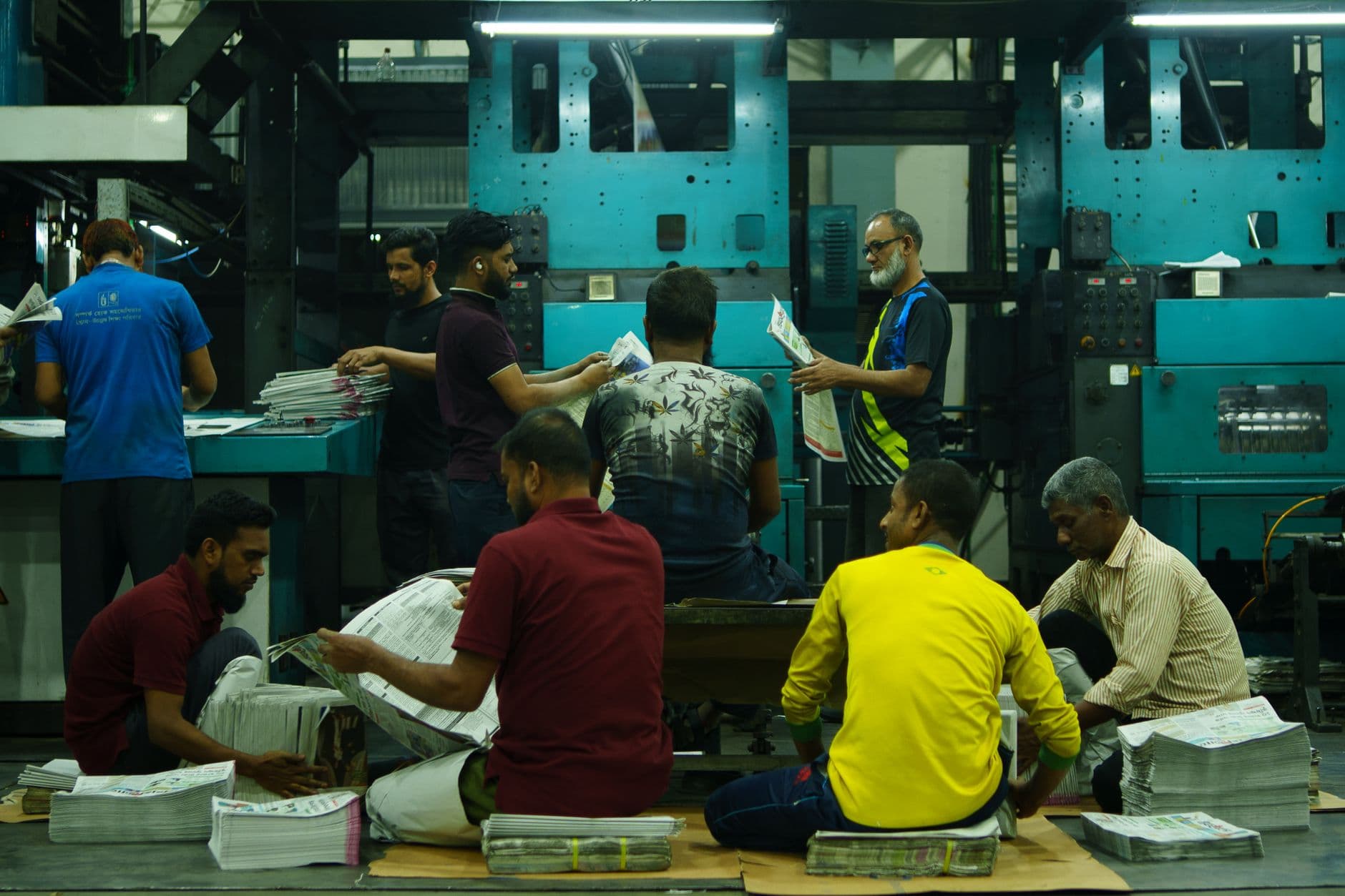
At Harlsedge Colliery you never said the words for a roof fall underground — you said the top’s talking, from behind the line. Then an inquiry gave every deputy a laminated card.
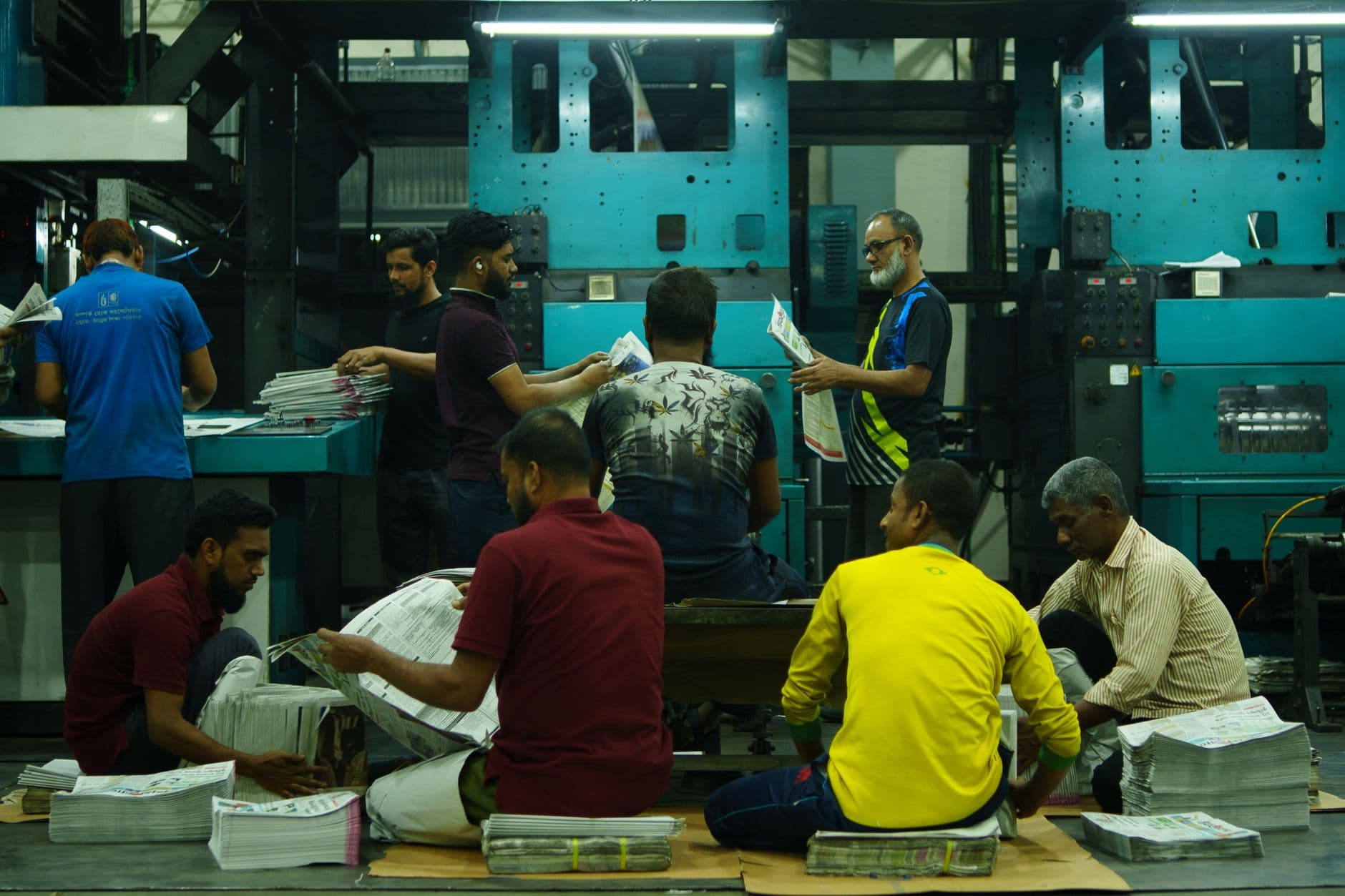
The permit said the pits had to close by September. The old men said you never take her down to the clay. Both were right, and I signed everything.

Five places set for four people, twelve years after the funeral. The card on the fridge says how to close a settling year — nobody in the house will say it aloud.
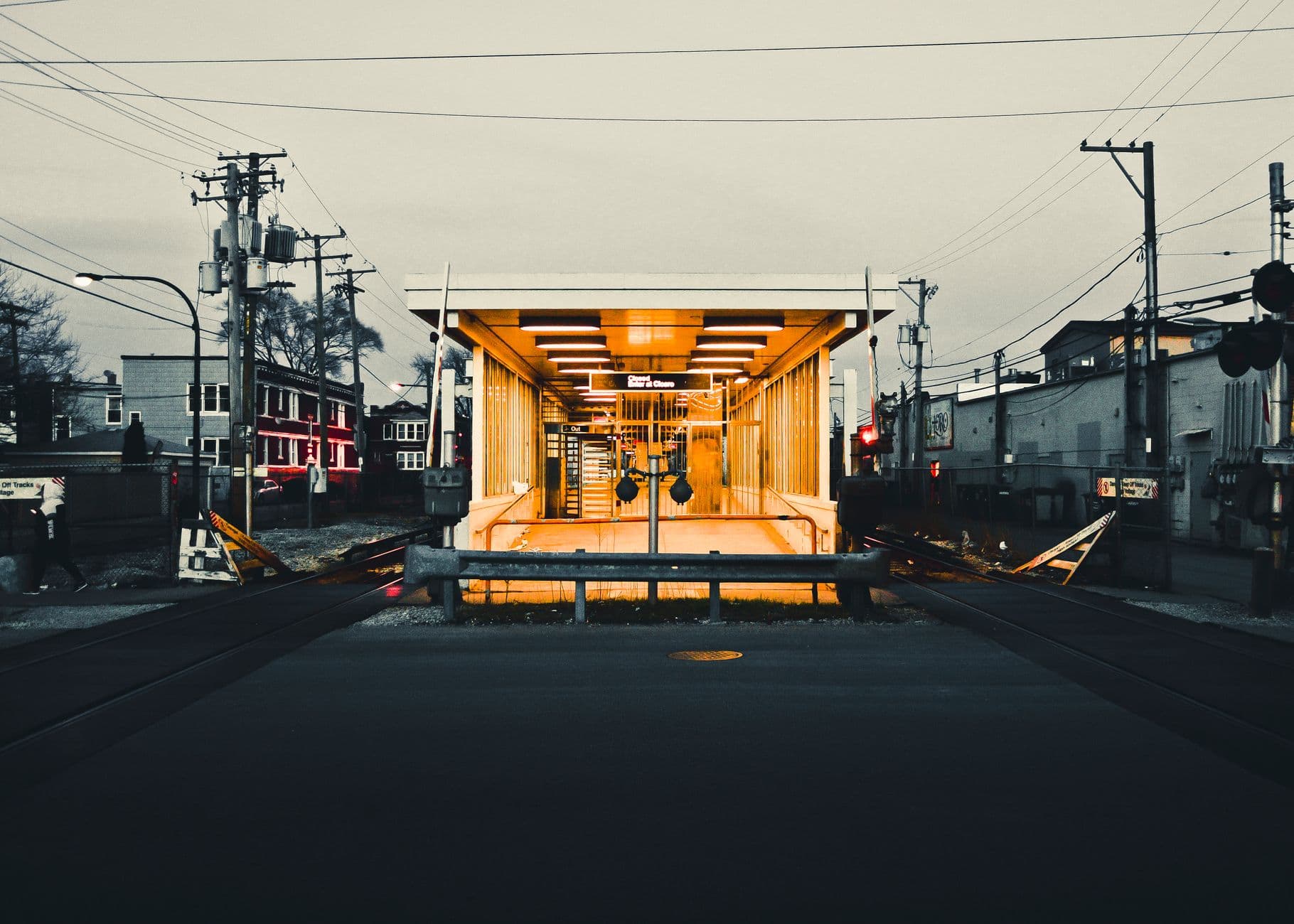
The resurfacing crew crushed the summit cairn into the new road. The road has been giving it back ever since — one stone per crossing, one hole at a time, all the way down to our door.
A one-pound rent, a dead payee, and a man in a green coat measuring the common a week at a time.
The last winter of the Borough of Warrengate, a death register that would not close without a witness, and a shelf of blank volumes kept thirty ahead.
In the summer of 1993 I cut the family turbary past the old men’s line, and the rick paid the bog back to the last sod. A story of turf, tally sticks, and a lease renewed in thumbprints.

A probationary catchment technician cuts the dawn taste from her round at Harldale Water — the one duty every keeper has kept since the valley was flooded in 1937. Three dawns go unconfirmed by a living tongue.

The eldest of our house lights the Long Room candle at dusk. I let my brother do it once, out of kindness. He was nine. It cannot be undone.
On a hill road built over the old coffin path, a young minibus driver does the sensible thing — and the sensible thing is what costs a widow her night beside her husband.
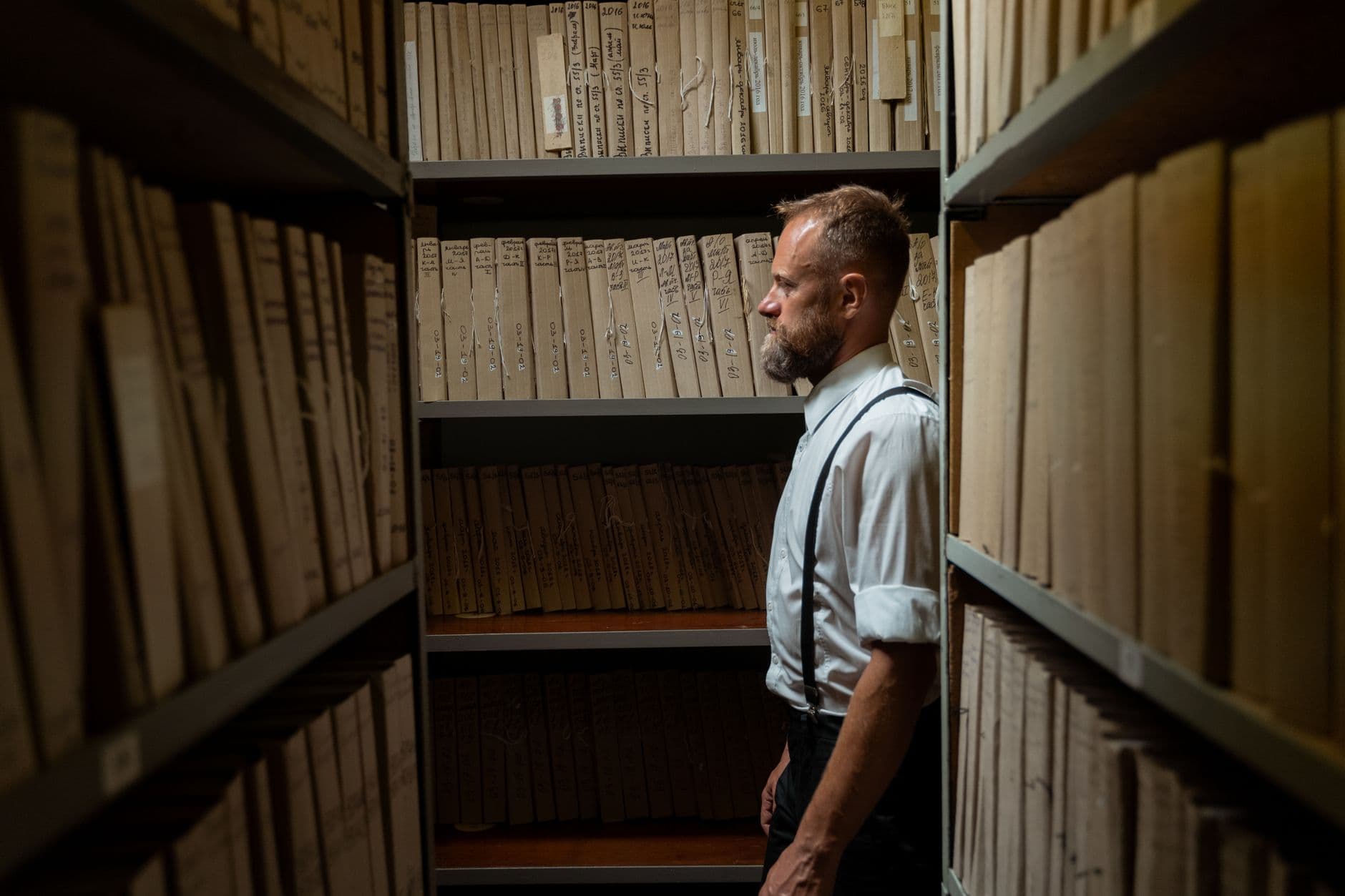
Every year the town’s books balanced, and every year one household left without anybody asking why. The new assistant registrar found out what the bequest paid for — and what it cost.
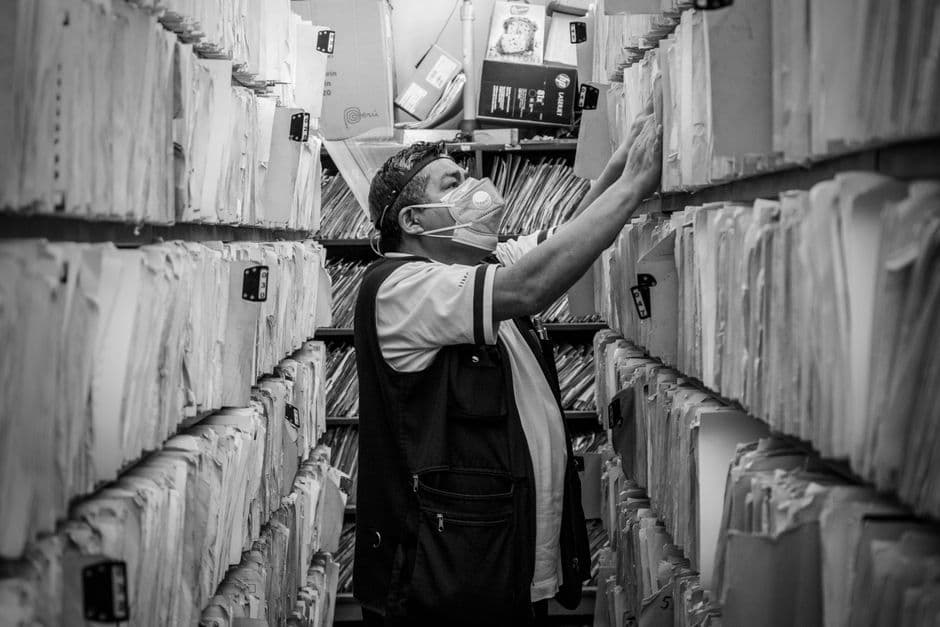
A definitive map officer diverts the corpse road off her own new-build garden, and the parish dead stop arriving at their graves.
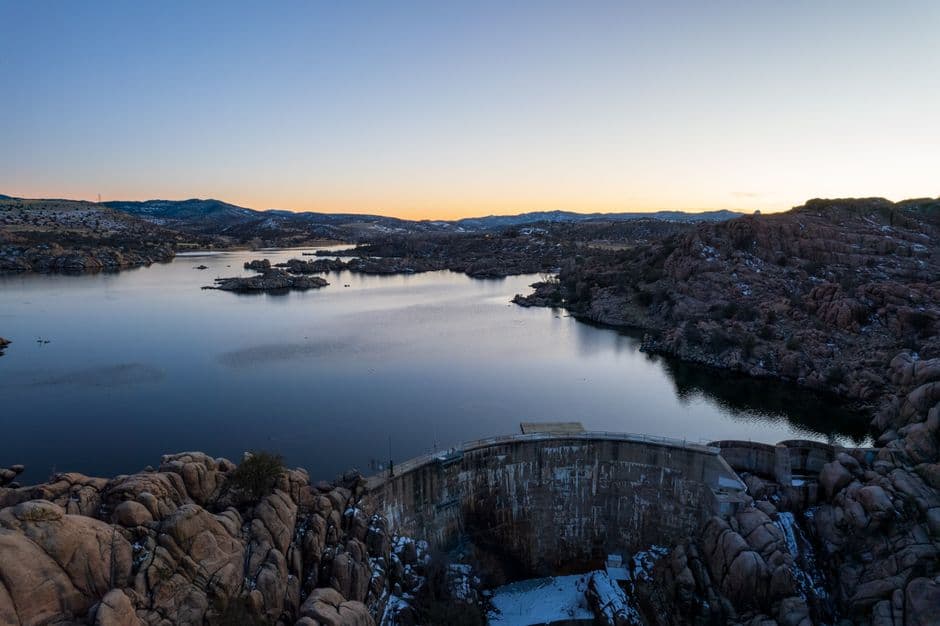
A township fence-viewer inherits a ledger of certified fences that still hold where no wood stands—and a county audit demanding the record be graded truthfully.
The order said stand the flight empty for winter metering. The first drained night, a working boat grounded in Lock Six — on the clay she was buried under sixty years ago.
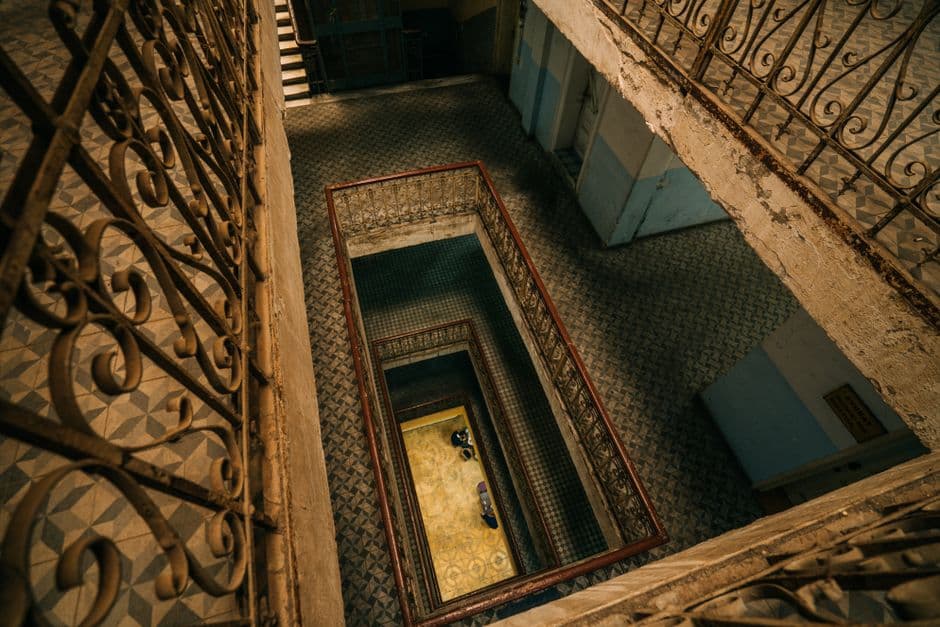
My mother set one extra place at every meal of her life. After the funeral, I learned what the empty plate was for – and what it costs to keep filling it.
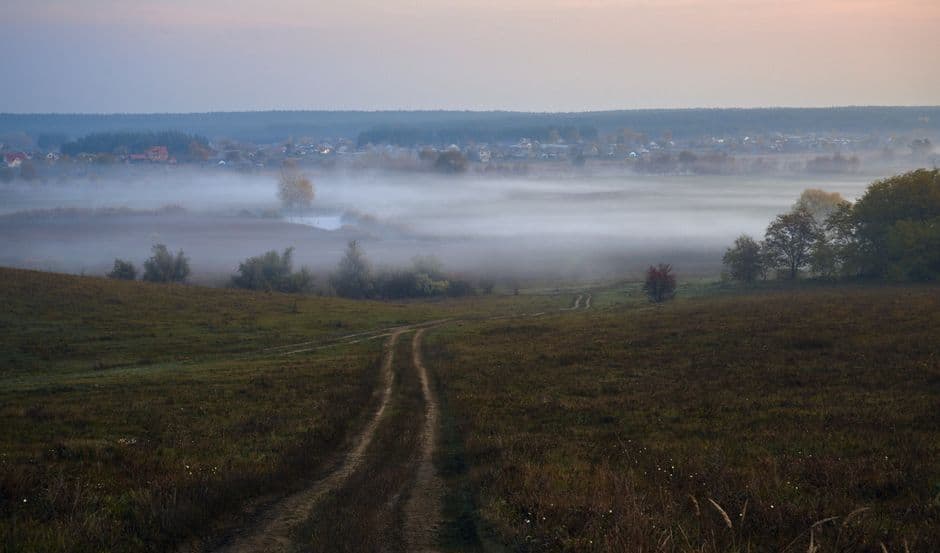
A contract beekeeper comes home to clear his grandfather’s unlawful skep yard for the developers, and finds the parish filling with swarms that hold every death no one spoke aloud.
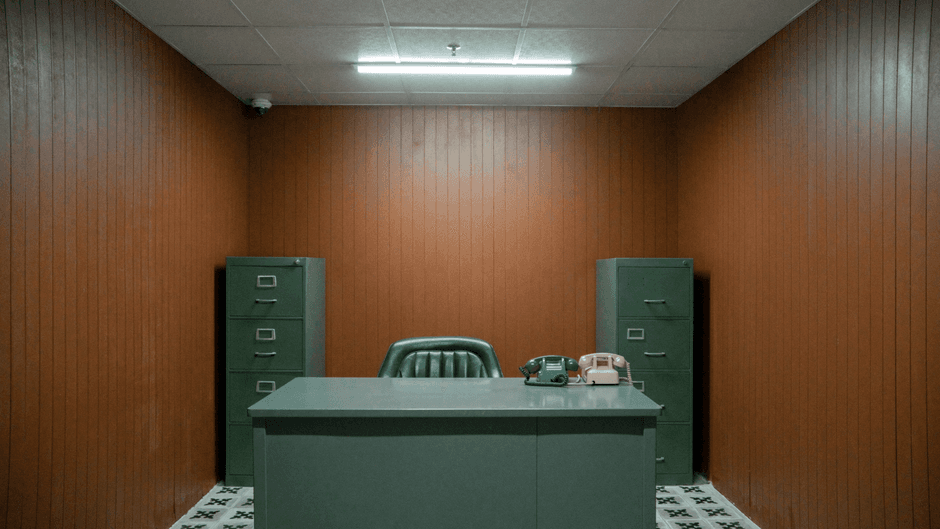
Every morning for seventy-three years the fire tower answered the district in the same four words. Then the satellite started checking.
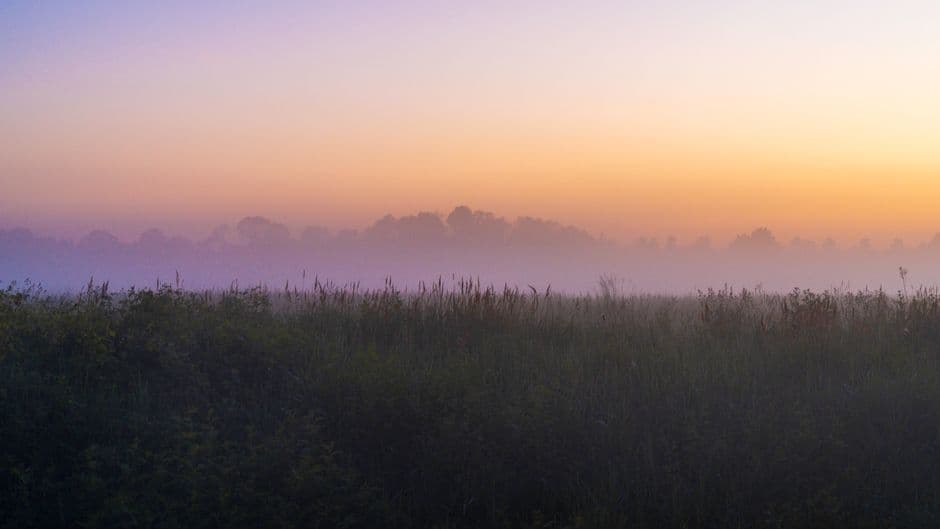
On the family firewood cut, the check-in whistle keeps the count: who is in the timber, who is accounted for. My brother’s arms were full, so I answered for him.

After his wife’s death, her belongings leave the house in the exact reverse of the order she brought them — and the list says the last thing out will be the first thing she carried in.

The new night supervisor ends an old bakery custom to pass a food-safety audit. Sixty years of ledger entries explain what the loaf on the sill was really buying.

A seasonal campsite warden inherits one duty from his predecessor: book pitch nineteen every night, under his own name. The booking platform decides this is fraud.
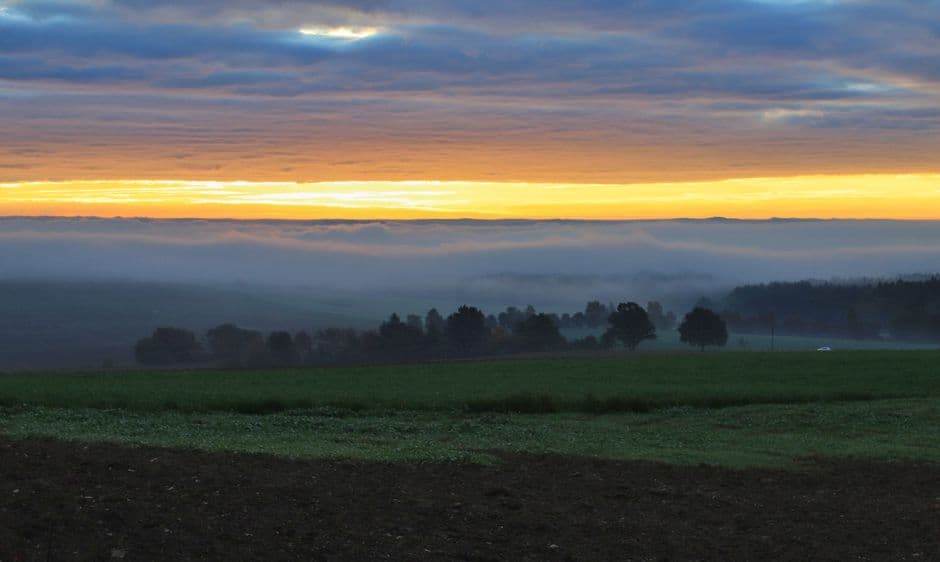
In a drought year, the district’s new manager ends an old custom: the first water of spring no longer runs out to the alkali flat. The water comes back anyway – colder, and more than anyone delivered.
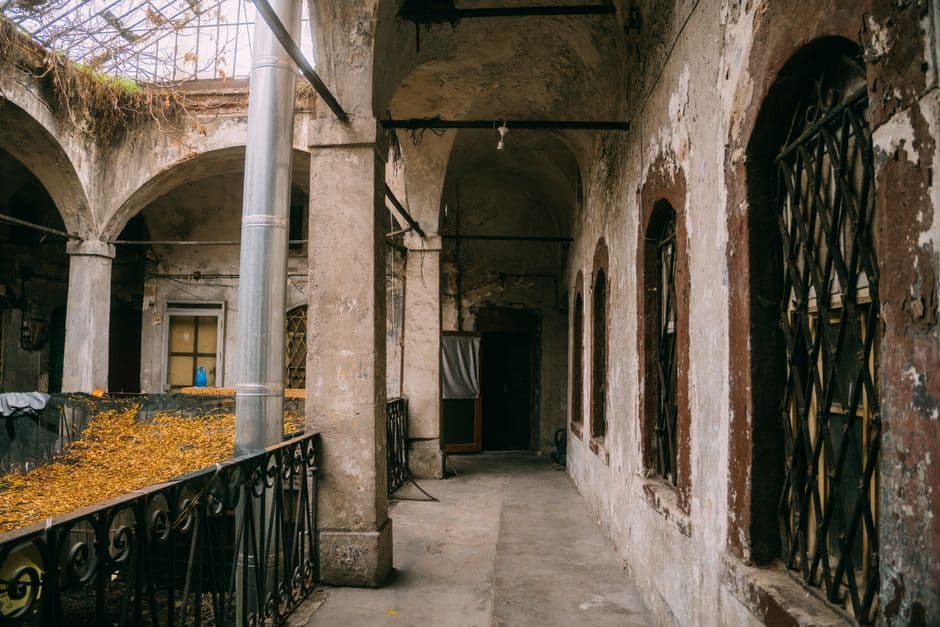
A village school’s roll has read forty-six since 1919. The secretary who types the weekly return finally learns who the other twenty-two are — and what keeping the school open will cost her own son.
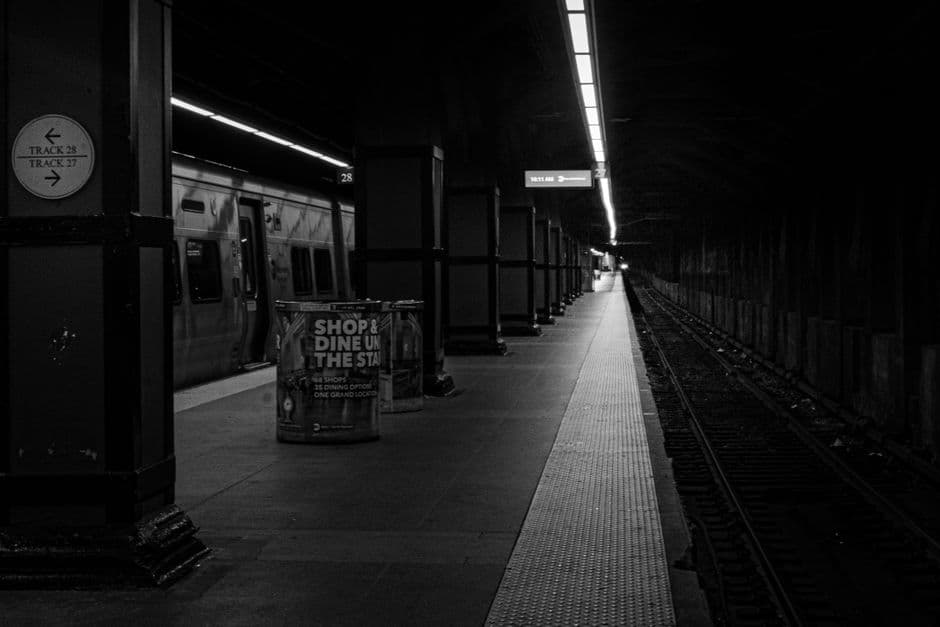
The causeway card posts crossing windows twenty minutes shorter than the tide. A probationary district nurse learns who benefits from the missing minutes — and what crosses in them.
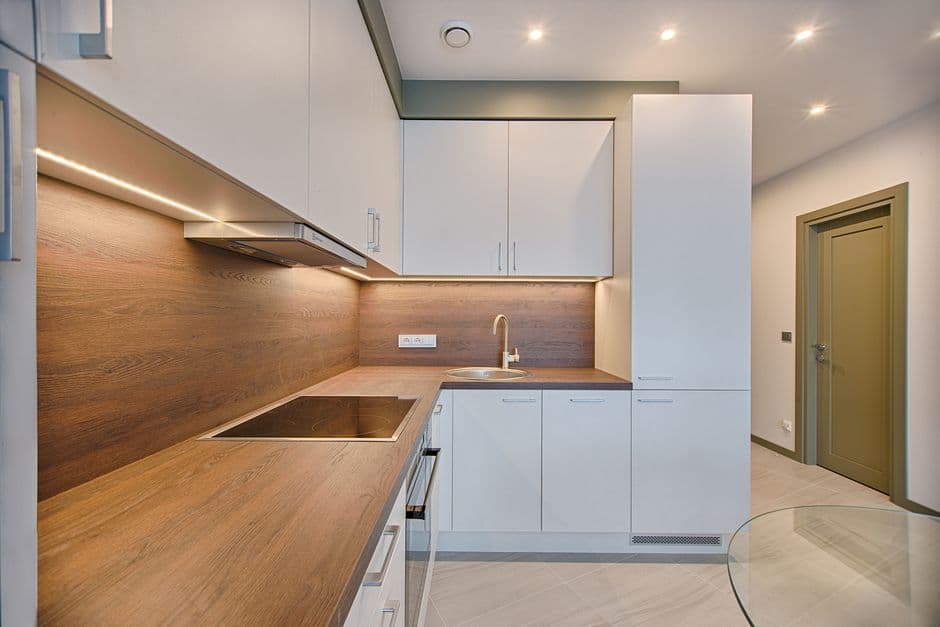
We kept the vacuum because it was worth four hundred pounds. Nobody priced what came with it.

The key board at 11 Fleece Row has hung in the porch since 1911, and every hook on it has a christening behind it. When a locksmith married into the family hangs his sister-in-law’s key on the one empty hook, the house counts it — and settles its roll.
One line in the deed since 1957: the west row stands. She combined it with everything else, and the field began collecting what it was owed.
A deckhand learns the crew lore of a trawler that has worked too long: every boat keeps one sea, the worst she ever rode, and somebody has to stand it. On calm nights, at the same watch, the Girl Hilda still rides hers.
The water of a drowned parish sends up what it means to take. In the spring of 1983 it sent up a brass whistle on a bootlace, seven days before the bank-holiday swim.
A retired conductor, a struck-through rule, and the delay that refused to be removed from the timetable.
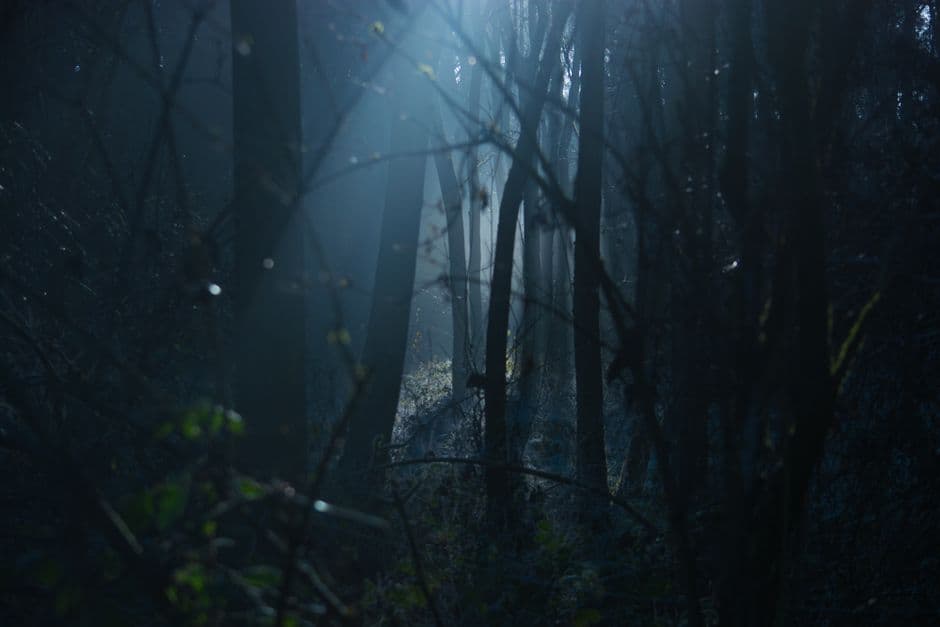
Every Rogation Monday the bounds of Collow were walked and struck and named. This spring the walk came up short, and the ground does not remember why.

Harnbury’s unclaimed dead stay open on the council’s files unless someone eats a meal over them — and the fees schedule struck that meal out in 1972. A bereavement officer finds the ledger line, pays one portion herself, and then renews the community meals contract.
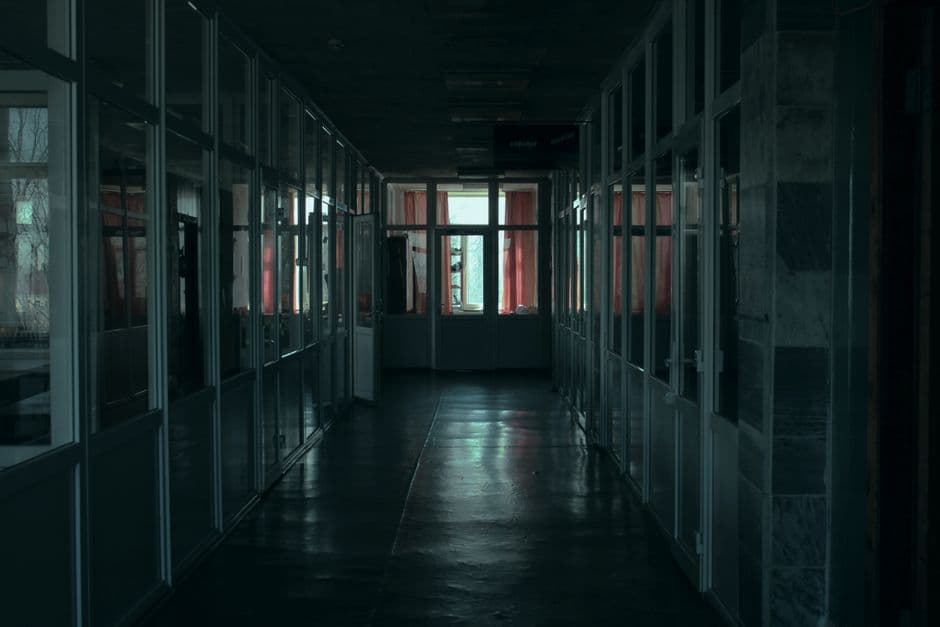
The house played sounds before the things that caused them, and every sound was a debt to be paid with a cheap cause. We got good at settling up — until it played fourteen minutes of my weeping.
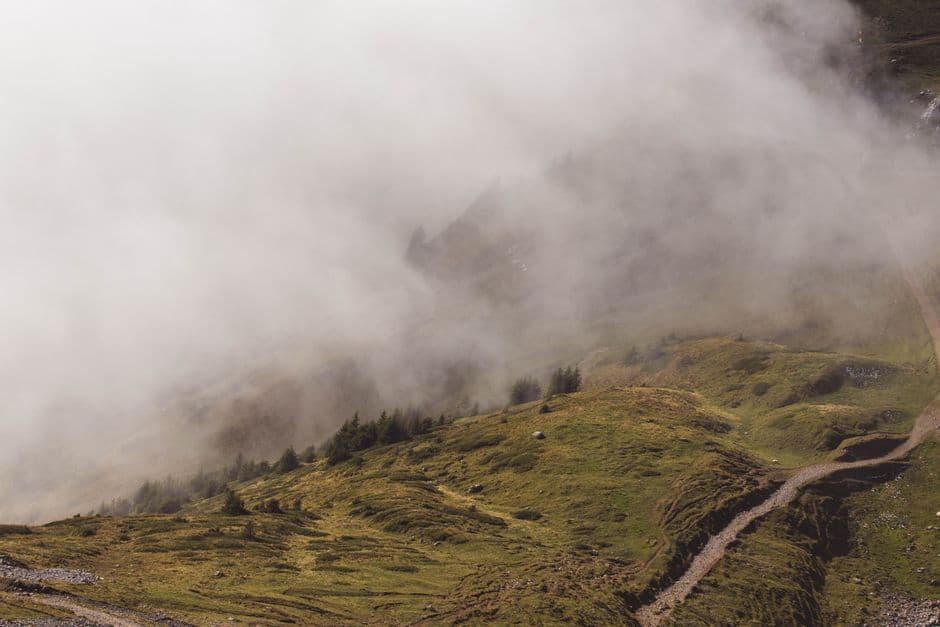
A contract surveyor stitches a century-old map over a hole the parish never crossed, and the boundary answers by moving.
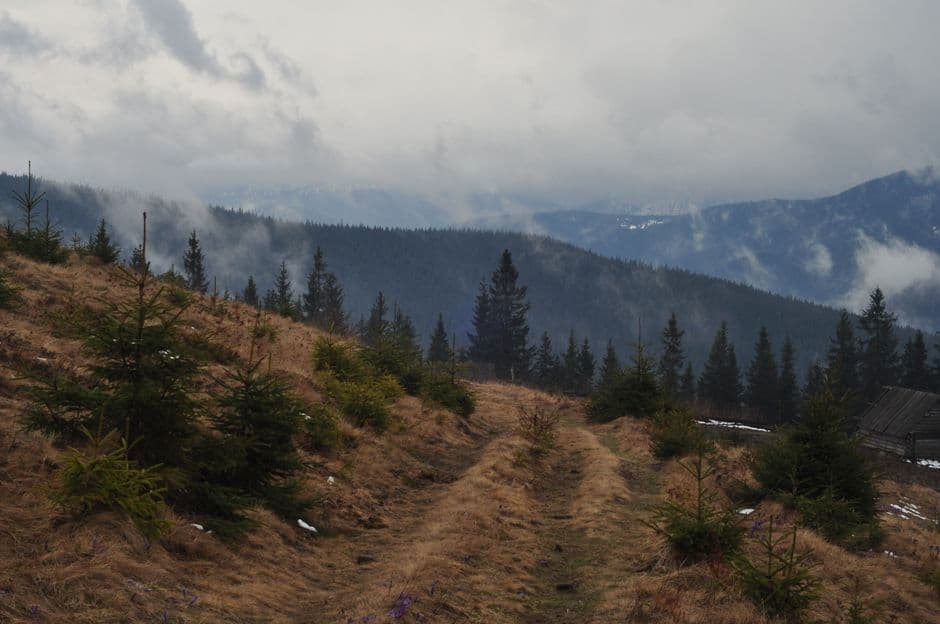
In our family, the bride is carried over the ford by her own blood, so her girlhood stays on the far bank. At my sister’s wedding, I let her new husband take my place. Blood can hold a life in trust. A stranger’s back cannot.
New tales are added regularly. Follow us and never miss a story.