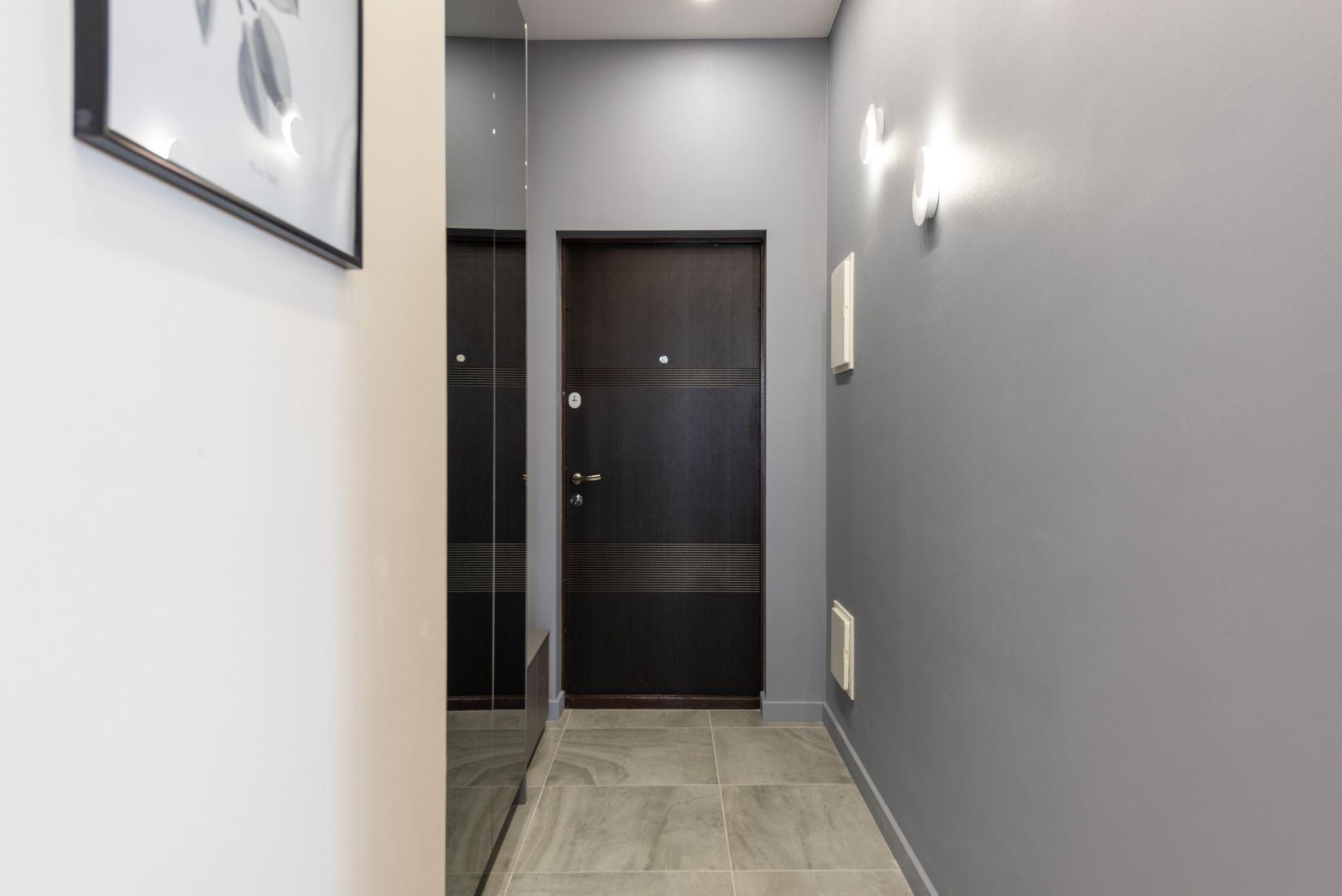
The duplexes went up in 1986, all eighty-four of them, one floor plan stamped into a river field until the county ran out of names. Cutler Row, Cutler Lane, Cutler Court, Cutler Run. Same shingles, same carport slab, same hollow-core front door with stick-on brass numbers. We took 41 Cutler Row in May, the week my mother signed the lease in her maiden name and my father moved over the tire shop on State Road 9.
Rent ran a hundred under anything comparable. Cole said flood plain. I said airport. My mother said nothing, because a hundred a month was the difference between this and her sister’s couch.
The Dellings had the other half of 41. Wade Delling worked days at the co-op elevator and kept his lawn edged like a putting green. Ten days after we moved in, at ten at night, he knocked with a foil-covered dish and his cap in his hand.
“I owe you an apology,” he said, “for what I said about your fence line. Two feet, I said, and I’d have it mowed to the curb. I had no right. Gail made the potatoes.”
There was no fence line. No survey stakes, no argument, nothing but the strip of grass between our patios that neither half mowed short. My mother took the dish anyway. “It’s fine,” she told him. “Wade, it’s fine — you’ll make yourself sick standing out here.” She thanked him twice and shut the door, and the three of us ate Gail Delling’s potatoes and agreed the elevator must work him to the bone.
Twelve Cutler Lane
The rule reached me in June, on the bench seat of a Bilt-Rite truck.
I worked summers for Bilt-Rite Moving and Storage, furniture pads and stair harnesses, twenty hours a week. Roy drove. When I read him our new address off a work order he went quiet for a mile, and at lunch he set his coffee on the dash and told me about his brother-in-law, nine years at 12 Cutler Lane.
The telling went like this, more or less. I’ve kept Roy’s wording, because the wording is the rule:
On the Cutler lots the sorry comes first. Not dreams, not cold spots. A man at your door, or your wife at his, warm and sober and meaning every word of it, sorry for a thing that hasn’t happened. You never take it. A taken sorry is a spent sorry, and a spent sorry leaves a debt — the quarrel it belongs to has to happen after, because nothing out here gets forgiven that wasn’t earned yet. Say “not yet,” mean it, and shut the door gentle. If nobody answers, it waits. Some of them have waited years.
His brother-in-law had refused one in 1996, standing right in his own doorway, and the row still counted it a near thing.
The rest of that summer I watched for it the way you watch a burn heal. On a job at 7 Cutler Court a woman came to the porch while we had her hutch half up the ramp and her husband followed her out saying he was sorry, sorry, for no telling what. “Not here, and not yet,” she said, and went back in for the lamp shades. Roy turned the dolly around and took the long way past the hydrangeas, and nobody on the crew said a word, the way you don’t comment on weather.
And through my bedroom wall, on a Sunday, Gail Delling’s voice, level as a bank teller’s: “Not about your sister again. You can say it when it’s true.” Then Wade’s boots on their stairs, going up alone.
I lay there a while with the dish and the rule and the potatoes, doing arithmetic that wouldn’t finish.
The Coin Jar
Cole was twenty-one and had kept his truck through the separation, a straight-shift with a bad third gear that he was rebuilding in the carport one piece at a time. He worked shift at the mill. On a Thursday in July he came home early, sat on the kitchen counter with his boots on, and told my mother he was sorry about the jar.
“The dimes,” he said. “I’m putting them back before anybody counts. You won’t even miss them. I never should have touched that jar.”
My mother was at the sink. She dried her hands, hugged him, and said the worst two words on that street. “It’s fine, baby. It’s fine.”
I got as far as the doorway. That was as far as I got.
The orange flags came the second week of August, a county surveyor re-running the rear lines off the old plat, and two feet of what we had mowed as ours belonged, on paper, to the other half of 41. Wade Delling stood at the patio edge with a stake in his fist and said it right out: “Two feet, and I’d have it mowed to the curb. I said so in June.” Word for word. He sounded like a man reading his own signature. My mother took that quarrel the way you take weather in August — it was sharp, it was about grass, it was over in four minutes, and Wade waved from his porch the next morning like a man whose bill had cleared.
The jar was worse. Grandma’s pickle jar sat on the dryer, silver dimes by the fistful under a taped label that said FOR TAXES, and on the 30th my mother counted it against the light bill and came up a fist and a half short. A hundred and eighty dollars of 1940s silver, gone into a transmission.
They fought in the kitchen with the door open and I stayed in the hall, out of the line of it, and I am not proud of that. Cole said everything a person says. And in the middle of it, cornered, he said, “I was putting it back before anybody counted. I never should have touched that jar” — and my arms went cold, because that was the Thursday door, word for word, warm the first time and cornered now.
The sorry hadn’t lied. It had been a confession with a date on it. The rule doesn’t make anyone cruel. It schedules the true things, and lets you spend the forgiveness first and the cruelty in installments.
My mother drove the truck to work for a month. Cole rode his bike to the mill. The jar refilled slow.
Not Yet
The last Sunday in August, ten at night, a knock on my bedroom door. Cole, ball cap in hand, holding nothing, wearing the finished, relieved look Wade had worn in May.
“About Sunday,” he said. “The rent. What I’m going to ask Mom for in the morning. I’m sorry before I even —”
“Not yet.”
He stood a second. “Okay,” he said, and went to bed, and to this day I couldn’t tell you which of us that was stranger for.
He never asked her. Sold his toolbox at the swap meet and covered it himself. We worked around each other the last two weeks like two men carrying one pane of glass — I left my door open, he left the porch light on — and the row stayed quiet the way that row always stays quiet, which I understood that August was not peace. Eighty-four houses, every household minding its arrears.
Labor Day weekend Bilt-Rite had the end house on Cutler Court, a family from Ohio with a boy my age hauling boxes. On the porch, waiting on the dolly, he asked me if the street was quiet at night.
Quietest in town, I said. Then I gave him the rule, word for word. The wording is the rule.
Read to the end. Some stories shouldn't be left unfinished.